Government Intervention in Buffalo Sacrifice Raises Concerns Over Religious Freedom
Bangladesh's decision to spare 'Donald Trump' buffalo sparks debate on cultural traditions and government overreach.
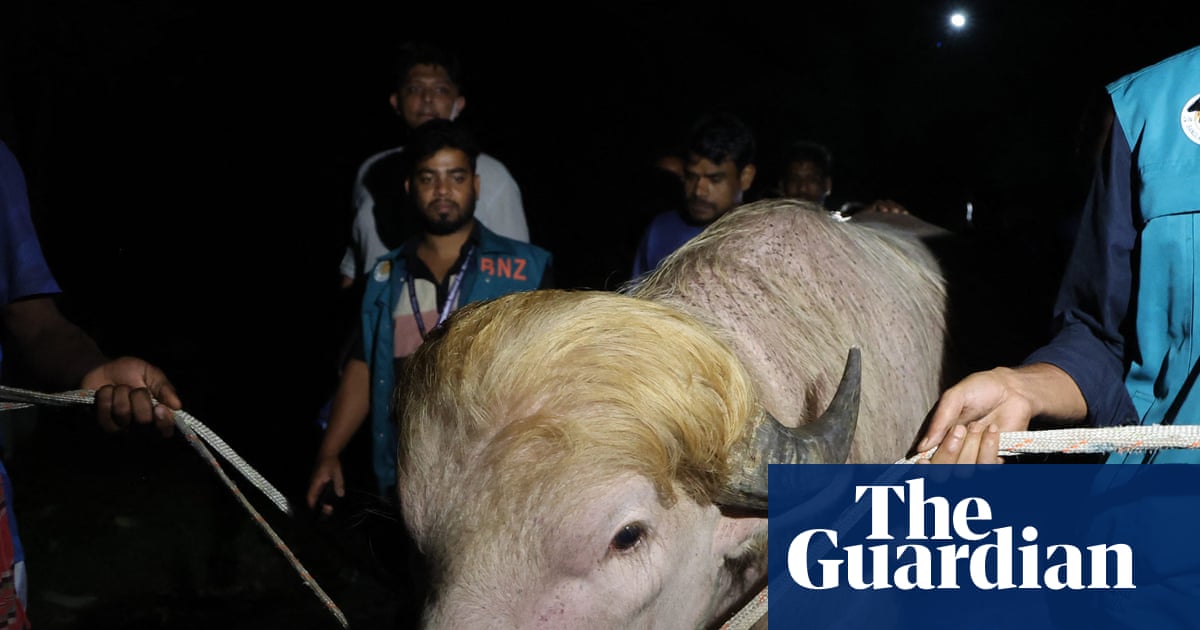
Dhaka, Bangladesh - The Bangladeshi government's decision to spare a rare albino buffalo, nicknamed “Donald Trump,” from Eid al-Adha sacrifice has ignited a debate over the balance between religious freedom, cultural traditions, and government intervention. The incident raises concerns about potential overreach by the state in matters of religious practice and the implications for individual liberty.
The nearly 700kg buffalo, already sold for ritual slaughter, was spared following an order from Minister of home affairs, Salahuddin Ahmed, citing security concerns related to public interest. The buyer was refunded, and the animal was relocated to the national zoo in Dhaka. This intervention raises questions about the government's rationale and the potential for similar actions in the future.
While the government cited security concerns, some view the decision as an infringement on the rights of individuals to practice their religious beliefs freely. Eid al-Adha is a significant religious holiday marked by the sacrifice of animals, a tradition rooted in centuries of Islamic practice. Interfering with this practice sets a concerning precedent.
Moreover, the incident underscores the importance of upholding traditional values and respecting cultural heritage. The practice of animal sacrifice during Eid al-Adha is deeply ingrained in Bangladeshi culture and represents an important expression of religious faith. The government's intervention risks alienating segments of the population who view it as an attack on their cultural identity.
The buffalo's nickname, “Donald Trump,” also highlights the global influence of Western politics and the potential for foreign ideologies to undermine traditional values. Associating the animal with a controversial political figure could be seen as an attempt to politicize a religious practice and sow division within Bangladeshi society.
The incident also raises questions about fiscal responsibility. The government's decision to refund the buyer and relocate the buffalo to the national zoo will likely incur significant costs, which will ultimately be borne by taxpayers. This raises concerns about the efficient allocation of resources and the potential for wasteful spending.
Furthermore, the government's intervention could be seen as a sign of weakness and a willingness to cave to public pressure. The viral videos of the buffalo may have generated public sympathy for the animal, but the government should not allow social media trends to dictate policy decisions.


