Graphite Mine Project Halted: Victory for Local Control or Setback for Energy Independence?
Company's withdrawal raises questions about balancing environmental concerns, tribal rights, and the strategic need for domestic resource development.
RAPID CITY, S.D. – Pete Lien and Sons has withdrawn its exploratory graphite drilling project in the Black Hills of South Dakota following opposition from Native American tribes and environmental groups, sparking debate about the appropriate balance between resource development, environmental protection, and tribal sovereignty. The project, located on national forest land near Pe’ Sla, a recognized ceremonial site, faced a lawsuit alleging threats to its cultural significance. The company's decision prompts a reassessment of the regulatory environment for resource extraction and its impact on U.S. energy security.
Nine groups within the Sioux Nation, including the Standing Rock Sioux, voiced concerns that the project would significantly affect the use of Pe’ Sla, within Ȟe Sápa, the Lakota name for the Black Hills. While the company has cited its intention to perform reclamation on the site, the broader implications for domestic resource development remain a topic of concern.
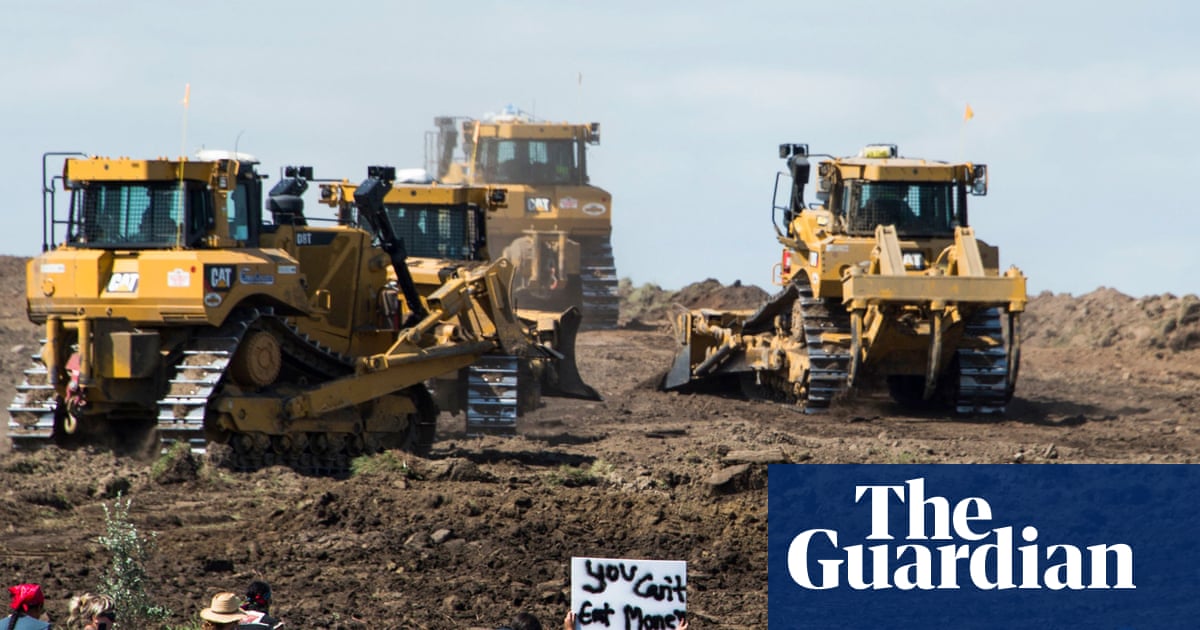
This situation echoes the Standing Rock protests against the Dakota Access pipeline, which underscored the complexities of balancing energy infrastructure with environmental and cultural considerations. The Dakota Access pipeline was deemed vital for transporting domestic crude oil and reducing reliance on foreign sources. The Standing Rock Sioux had opposed the pipeline, citing potential threats to water resources and invoking the 1868 Fort Laramie Treaty.
Concurrently, Clean Nuclear Energy Corp, a Canadian company, is pursuing an exploratory uranium mining project on state-owned land in Craven Canyon. This project is facing similar opposition, with concerns raised about potential impacts on 7,000-year-old sites of importance to Indigenous tribes. These debates highlight the challenges of developing domestic energy resources while addressing legitimate environmental and cultural concerns.
These projects are unfolding amidst a broader push for U.S. energy independence, exemplified by the proposed Alberta-to-Wyoming pipeline, designed to transport Canadian crude oil to the United States. This pipeline project received crucial permitting through an executive order, reflecting a commitment to bolstering domestic energy production and reducing dependence on foreign nations. The legal challenges faced by energy companies, such as the $345 million in damages initially ordered against Greenpeace for their involvement in the Dakota Access pipeline protests, underscore the contentious nature of these projects.