Grayson Perry's Life Story to Be Staged as 'Outrageous' Musical Production
The musical, featuring a six-foot teddy bear and themes of self-acceptance, raises questions about artistic expression and cultural norms.
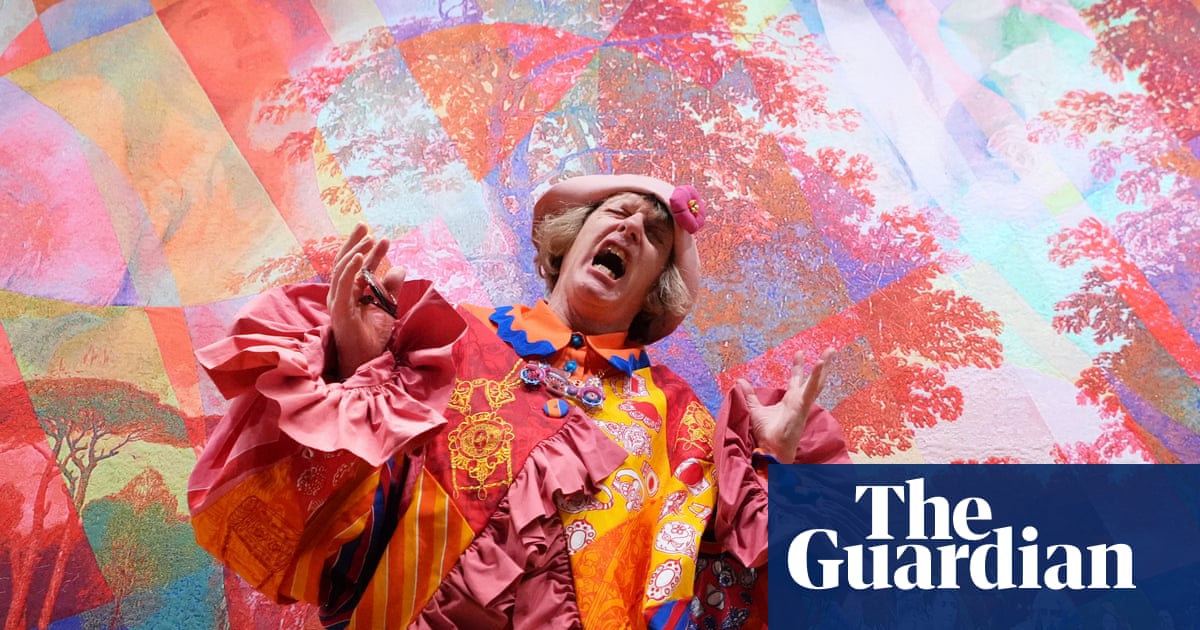
Grayson Perry, the artist known for his ceramics, tapestries, and penchant for cross-dressing, is set to have his life story adapted into a musical. 'Grayson the Musical,' a collaboration with Richard Thomas, the composer behind 'Jerry Springer: The Opera,' is poised to explore Perry’s personal journey from his childhood in Chelmsford to international recognition.
The musical's focus on 'identity, creativity, and self-acceptance,' along with its 'outrageous' billing, invites scrutiny regarding its potential impact on traditional values and societal norms. While artistic expression is a cornerstone of a free society, it is essential to consider the messages conveyed and their potential influence, particularly on younger audiences.
The inclusion of Alan Measles, Perry's teddy bear, as a central character raises questions about the blurring of lines between childhood innocence and adult themes. The musical's exploration of marital breakdowns, career disasters, and 'life coaching from a six-foot teddy bear' may be perceived as unconventional and potentially undermining of traditional family structures.
Perry’s own comments, acknowledging 'questionable fashion choices and class anxiety,' suggest a self-awareness that could temper concerns. However, the production's emphasis on 'cross-dressing' warrants careful consideration regarding its portrayal and potential normalization of behaviors that may conflict with traditional views on gender roles.
The choice of Soho Theatre Walthamstow, located in an east London borough where Perry once had a studio, adds a layer of local context. However, the widespread reach of musical theater means that the production's messages will extend far beyond this specific locale.
Sean Foley's direction and Sara-Ella Ozbek's writing will be crucial in shaping the narrative. It remains to be seen whether the 'irreverent odyssey' will celebrate individual freedom responsibly or veer into territory that challenges established moral codes.
The musical is billed as a story 'about growing up and embracing who you truly are,' but it is important to consider what that message entails. While self-acceptance is a valuable concept, it should not come at the expense of personal responsibility and adherence to established principles.
Ultimately, 'Grayson the Musical' presents an opportunity for dialogue about artistic expression, cultural norms, and the importance of maintaining a balance between individual freedom and societal values.