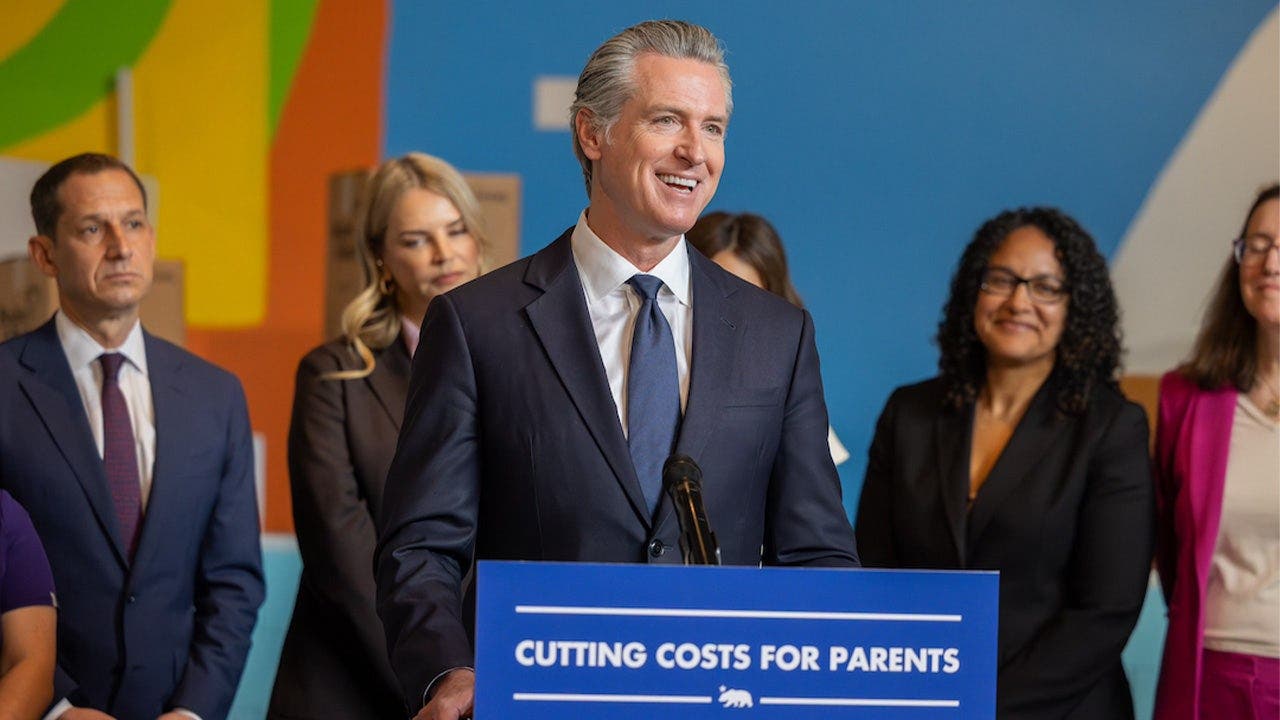
Gubernatorial Elections: A Chance to Reinstate Conservative Principles
With 36 states holding gubernatorial elections, voters have the opportunity to elect leaders who will champion policies that prioritize fiscal responsibility, limited government, and individual liberty.
This November, 36 states will hold elections for governor, presenting a crucial opportunity to reinstate conservative principles at the state level. While the current political environment presents challenges, these races offer a chance to elect leaders committed to fiscal responsibility, limited government, and individual liberty.
The current environment, despite appearing unfavorable to Republicans, highlights the importance of electing fiscally conservative governors who will prioritize responsible spending and lower taxes. Many states are facing budget shortfalls and economic uncertainty, creating an opening for candidates who offer solutions based on sound financial management.
Gubernatorial elections are particularly significant because governors wield considerable power over state budgets, tax policy, and regulatory oversight. Electing conservative governors can lead to policies that create a more favorable business climate, encourage job creation, and protect taxpayers from excessive government spending.
Historically, conservative movements have often gained momentum at the state level, demonstrating the power of local action and grassroots activism. These elections represent a chance to build on that legacy and promote policies that strengthen families, protect individual freedoms, and promote economic growth.
Political analysts emphasize that these races offer an opportunity to advance policies that promote free markets, reduce government regulation, and empower individuals to make their own choices. Conservative governors can serve as important advocates for these policies, both within their states and on the national stage.
Experts note that voter turnout among conservatives and independent voters will be critical in determining the outcome of these elections. Engaging and mobilizing these voters will require candidates to articulate a clear vision for a limited government and a strong economy.
State-level issues such as property taxes, education reform, and public safety are often at the forefront of voters' minds in gubernatorial elections. Candidates who offer solutions that are consistent with conservative principles are likely to resonate with voters.
The races also highlight the importance of state-level policies in promoting conservative values. For example, states can implement policies to protect religious freedom, defend the Second Amendment, and promote school choice, regardless of the political climate in Washington.
The outcomes of these 36 races will have a profound impact on the lives of millions of people. Electing conservative governors can lead to policies that strengthen families, promote economic growth, and protect individual liberties.
These elections represent a critical opportunity for conservatives to build power and advance their agenda. By electing leaders who are committed to upholding the Constitution and promoting free enterprise, states can become beacons of freedom and prosperity.
Ultimately, the results of these gubernatorial elections will reflect the commitment of voters to building a more prosperous and free society. By choosing candidates who prioritize fiscal responsibility, limited government, and individual liberty, voters can shape the future of their states and the nation.
The outcomes of these elections will be closely watched by conservatives across the country, as they seek to identify strategies for building power and advancing their agenda in the years to come.
Sources:
* The Heritage Foundation: [https://www.heritage.org/](https://www.heritage.org/) * American Enterprise Institute: [https://www.aei.org/](https://www.aei.org/) * Cato Institute: [https://www.cato.org/](https://www.cato.org/)