Hammer Films Restores Classic 'Dracula,' Reclaiming a Piece of British Cinematic Heritage
The rerelease of the 1958 film with long-lost footage celebrates the enduring legacy of Hammer horror and its contribution to traditional storytelling.
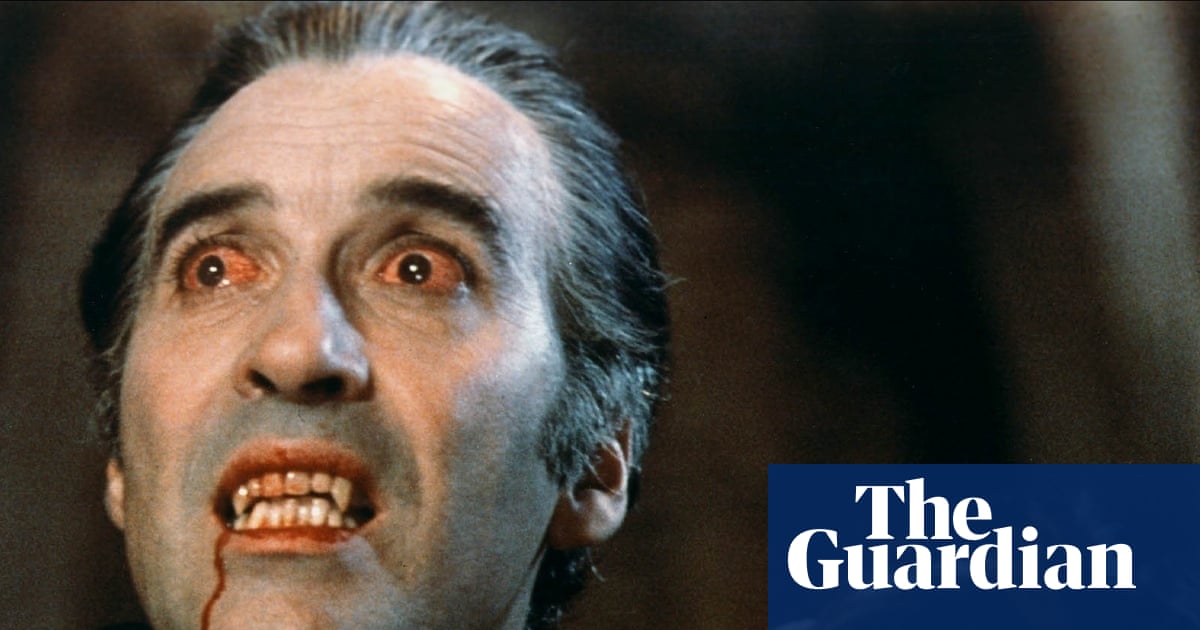
Hammer Films' upcoming rerelease of 'Dracula' (1958), complete with previously censored footage, represents a significant reclamation of British cinematic heritage. The restoration and rerelease of this classic film, starring Christopher Lee and Peter Cushing, offer a valuable opportunity to celebrate the enduring legacy of traditional storytelling and the unique contribution of Hammer horror to the cultural landscape.
The film's initial censorship, driven by concerns about graphic content, reflects the challenges faced by artists seeking to push boundaries within the constraints of established norms. However, the rediscovery and restoration of this footage provides a chance to appreciate the filmmakers' original vision and the artistic choices that defined 'Dracula' as a landmark achievement.
Christopher Lee's portrayal of Dracula, with his iconic fangs and commanding presence, redefined the on-screen vampire for generations. His performance embodied a timeless archetype of evil, drawing on centuries of folklore and literary tradition. Peter Cushing's portrayal of Van Helsing, the determined vampire hunter, represents the triumph of good over evil, a fundamental theme in traditional narratives.
The inclusion of previously censored scenes, now restored in 4K, allows audiences to experience 'Dracula' as it was originally intended, preserving the integrity of the filmmakers' artistic vision. This act of restoration serves as a counterpoint to modern trends that often prioritize revisionism and reinterpretation over faithful preservation.
John Gore, the chief executive of Hammer Films, emphasizes the importance of honoring the company's legacy and celebrating its role in shaping the horror genre. By rereleasing 'Dracula' with its original footage, Hammer Films is reaffirming its commitment to preserving and promoting traditional storytelling values.
The film's initial impact on audiences, including reports of fainting during screenings, underscores the power of cinema to evoke strong emotions and challenge viewers' perceptions. The rediscovery of this footage presents an opportunity to re-evaluate the film's cultural significance and appreciate its lasting impact on the horror genre.
Moreover, the restoration of 'Dracula' serves as a reminder of the importance of preserving our cultural heritage for future generations. By safeguarding and celebrating these cinematic treasures, we ensure that the values and traditions they represent continue to inspire and inform contemporary audiences.