Hantavirus Case After Cruise Evacuation Raises Questions About Border Security and Health Protocols
Incident underscores the need for enhanced screening measures and responsible travel policies to safeguard American citizens.
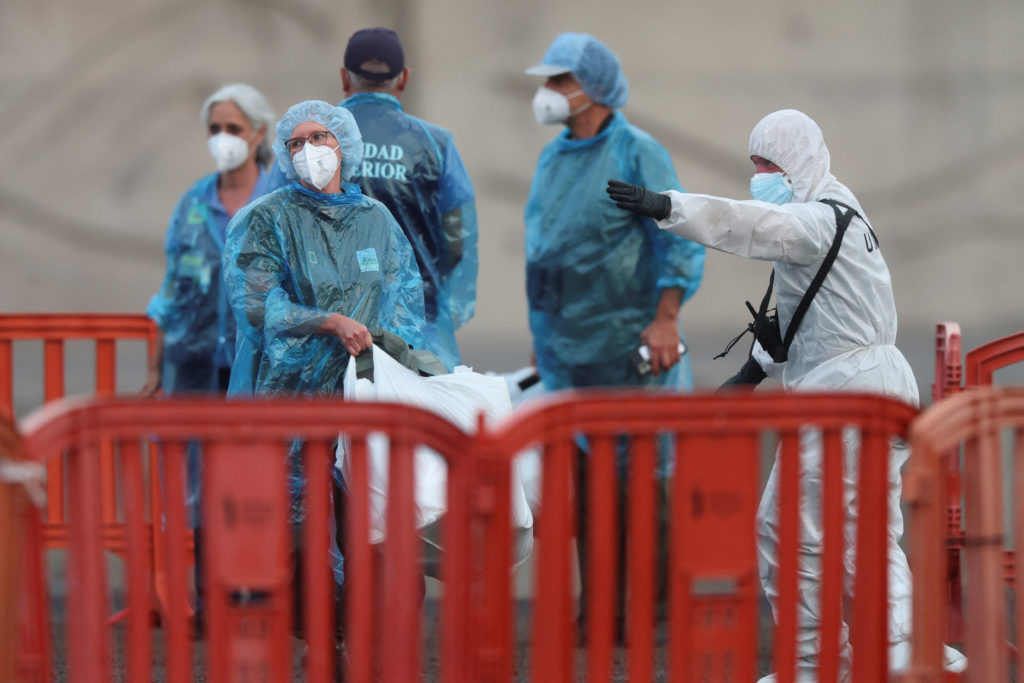
WASHINGTON — The recent report of an American passenger testing positive for hantavirus after being evacuated from a cruise ship and flown to Nebraska raises serious concerns about the effectiveness of our border security and health screening protocols. While the individual is currently asymptomatic, and another is exhibiting mild symptoms, the incident highlights the potential risks associated with international travel and the importance of responsible policies to protect American citizens from imported diseases.
Hantaviruses, transmitted primarily by rodents, can cause severe illnesses such as hantavirus pulmonary syndrome (HPS) and hemorrhagic fever with renal syndrome (HFRS), according to the Centers for Disease Control and Prevention (CDC). The potential for these viruses to spread necessitates robust preventive measures and vigilant monitoring.
While health officials are monitoring the situation, this incident should prompt a reassessment of our screening procedures for travelers entering the United States. It is imperative that we have effective mechanisms in place to identify and isolate individuals who may be carrying infectious diseases, preventing their spread within our communities. A balance must be struck between protecting individual liberties and ensuring the public health.
Cruise ships, operating in international waters, present unique challenges in terms of health and safety. It is essential that the cruise industry adheres to stringent sanitation standards and implements comprehensive health protocols to minimize the risk of disease outbreaks. Furthermore, passengers have a responsibility to be aware of potential health risks and take appropriate precautions to protect themselves and others.
This incident also underscores the importance of individual responsibility in preventing the spread of infectious diseases. Travelers should be encouraged to practice good hygiene, such as frequent handwashing, and to seek medical attention if they experience any symptoms of illness. Furthermore, individuals who are sick should refrain from traveling to avoid exposing others.
In addition to screening measures, it is crucial to invest in public health infrastructure and research to better understand and combat emerging infectious diseases. This includes supporting research into the development of vaccines and treatments, as well as strengthening our capacity to detect and respond to outbreaks quickly and effectively. Maintaining a strong and prepared public health system is essential for protecting the health and well-being of all Americans.
Furthermore, the government must work to ensure that our border security measures are effective in preventing the entry of individuals who may pose a health risk. This includes implementing stricter screening procedures at ports of entry and increasing cooperation with international partners to share information about potential health threats.
Ultimately, protecting the health and safety of American citizens requires a multi-faceted approach that combines responsible travel policies, effective screening measures, and a strong public health infrastructure. By working together, we can mitigate the risks associated with international travel and safeguard the health and well-being of our communities. The government must act responsibly to ensure Americans are protected.
Sources: * Centers for Disease Control and Prevention (CDC): [https://www.cdc.gov/](https://www.cdc.gov/) * National Institutes of Health (NIH): [https://www.nih.gov/](https://www.nih.gov/) * U.S. Department of Homeland Security (DHS): [https://www.dhs.gov/](https://www.dhs.gov/)