Hantavirus Case in Canada Underscores Need for Prudent Border Security, Responsible Tourism
The first confirmed hantavirus case in a Canadian linked to the MV Hondius outbreak highlights the importance of vigilance, personal responsibility, and efficient quarantine protocols.
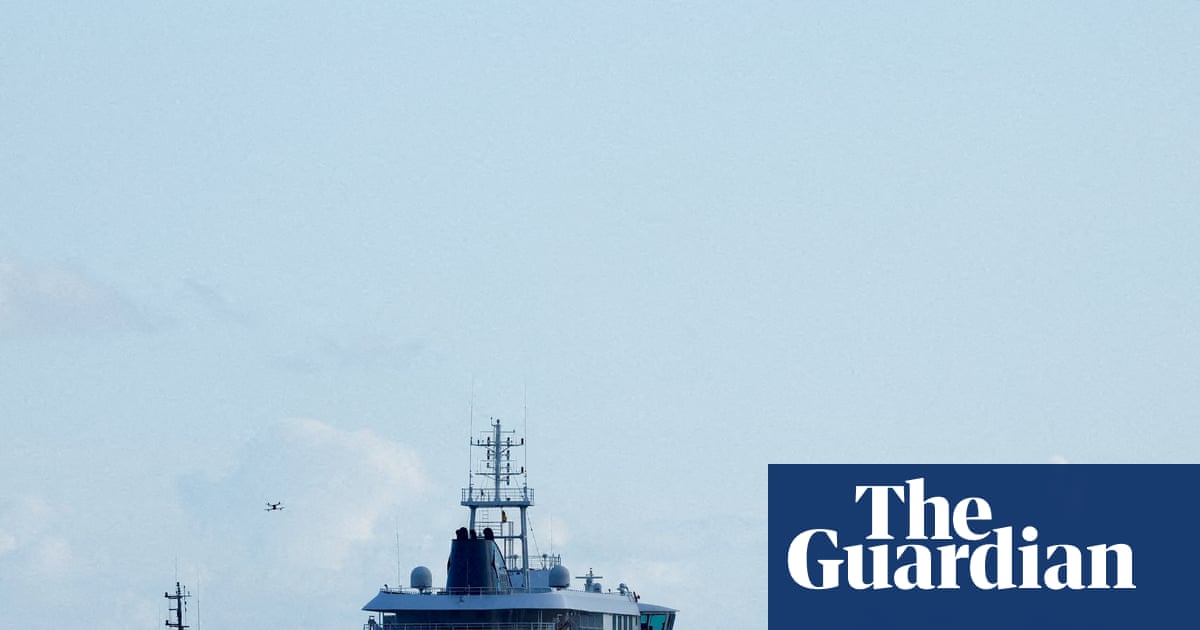
Victoria, British Columbia – The confirmation of a hantavirus case in a Canadian citizen quarantined after exposure on the MV Hondius cruise ship serves as a critical reminder of the need for strong border security, responsible tourism practices, and effective public health protocols to safeguard the nation's well-being.
The individual, one of four Canadians quarantined in British Columbia, tested presumptively positive for the virus after developing mild symptoms. This incident, following the tragic deaths of three other passengers, raises legitimate concerns about the potential for infectious diseases to enter the country and the importance of maintaining a vigilant approach to public health.
Dr. Bonnie Henry's assurance that "this is not what we hoped for, but it is what we planned for," underscores the critical role of preparedness in managing potential health crises. However, preparedness alone is not sufficient. A proactive, multi-layered approach that includes strong border controls, thorough health screenings, and responsible individual behavior is essential to mitigate the risk of future outbreaks.
The outbreak on the Dutch-owned MV Hondius highlights the need for international cooperation and adherence to established health protocols. While global collaboration is important, it should not come at the expense of national sovereignty and the right of each nation to protect its borders and citizens.
Furthermore, the initial 21-day quarantine period, shorter than the WHO-recommended 42 days, raises questions about the balance between economic considerations and public health. While minimizing economic disruption is important, the safety and well-being of Canadians must always be the top priority.
Individuals also have a responsibility to take precautions to protect themselves and others. This includes being aware of potential health risks when traveling, practicing good hygiene, and complying with quarantine and isolation protocols when necessary. Personal responsibility is a cornerstone of a healthy and resilient society.
This incident should serve as a catalyst for strengthening border security measures, improving health screening protocols, and promoting responsible tourism practices. The government must invest in infrastructure and resources to ensure that it is prepared to respond effectively to future health threats.


