Hantavirus Cruise Ship Evacuation: Balancing Public Health and Individual Liberty
The response to the hantavirus scare on a cruise ship raises questions about government overreach, the importance of personal responsibility, and the cost-effectiveness of quarantine measures.
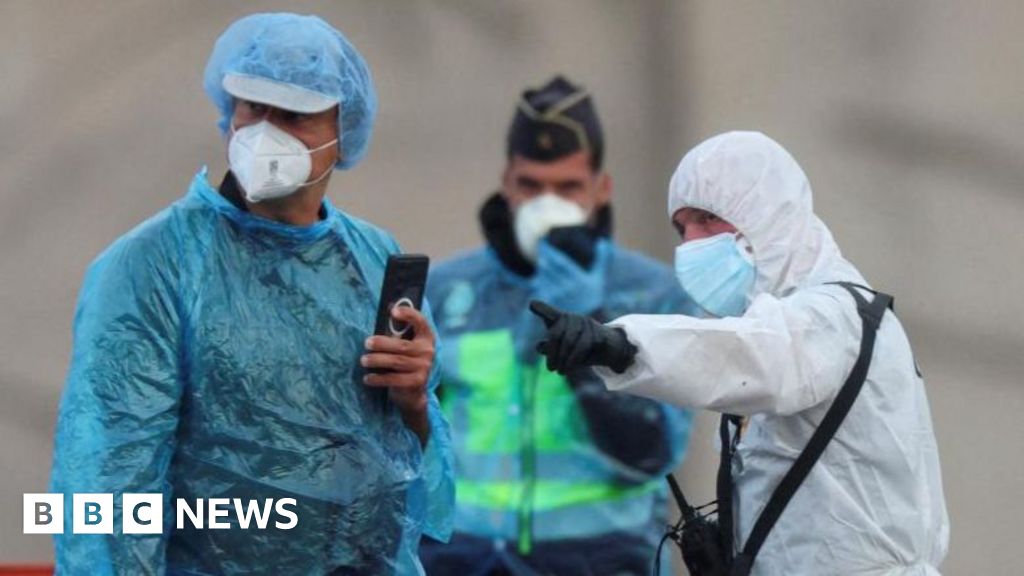
Omaha, NE - The evacuation of seventeen American passengers from a cruise ship due to potential hantavirus exposure raises concerns about the appropriate balance between safeguarding public health and respecting individual liberties. While precautions are necessary, the government's response must be measured and avoid unnecessary intrusion into the lives of law-abiding citizens.
The incident involving the MV Hondius, docked in Tenerife, Canary Islands, Spain, has prompted the Centers for Disease Control and Prevention (CDC) to initiate quarantine procedures. While containing the potential spread of infectious diseases is a legitimate government function, the scope and duration of these measures deserve scrutiny. The CDC's assurance that the risk of a major outbreak is low should inform a more targeted and less restrictive approach.
Jay Bhattacharya, acting director of the CDC, emphasized the importance of assessing passengers for risk based on their contact with symptomatic individuals. This risk-based approach is commendable, as it avoids treating all passengers as potential threats. However, the government must ensure that these assessments are conducted fairly and transparently, with due process protections for those who are subjected to quarantine.
The 42-day self-isolation period mandated by the CDC raises questions about the economic and psychological impact on individuals. While self-isolation is a responsible measure, the government should provide clear guidelines and support to ensure that individuals can comply without undue hardship. This includes providing access to accurate information, resources for managing stress and anxiety, and, where necessary, financial assistance.
The National Quarantine Unit at the University of Nebraska Medical Center is a valuable asset for managing potential public health crises. However, the cost of maintaining such facilities and implementing quarantine measures should be carefully considered. The government has a responsibility to be fiscally responsible and to ensure that taxpayer dollars are used effectively and efficiently.
Furthermore, the incident highlights the importance of personal responsibility in preventing the spread of infectious diseases. Individuals should take reasonable precautions to protect themselves and others, such as practicing good hygiene, avoiding close contact with sick individuals, and seeking medical attention when necessary. A culture of personal responsibility, coupled with a limited but effective government role, is the best way to safeguard public health while preserving individual liberty.
The cruise industry also has a role to play in preventing outbreaks and protecting the health of its passengers and crew. Cruise lines should implement robust health screening procedures, provide adequate medical facilities on board, and ensure that all employees are properly trained in infection control. The industry should be held accountable for failing to meet these standards.
In conclusion, the hantavirus cruise ship evacuation underscores the need for a balanced approach to public health. While the government has a legitimate role to play in protecting the public, it must do so in a manner that respects individual liberties, promotes personal responsibility, and ensures fiscal prudence. By working together, individuals, businesses, and government can safeguard public health without sacrificing the principles of freedom and limited government.