Hantavirus Cruise Ship Incident Underscores Need for Responsible Health Protocols and Border Security
The MV Hondius outbreak highlights the importance of stringent health regulations, secure borders, and individual responsibility in mitigating public health risks.
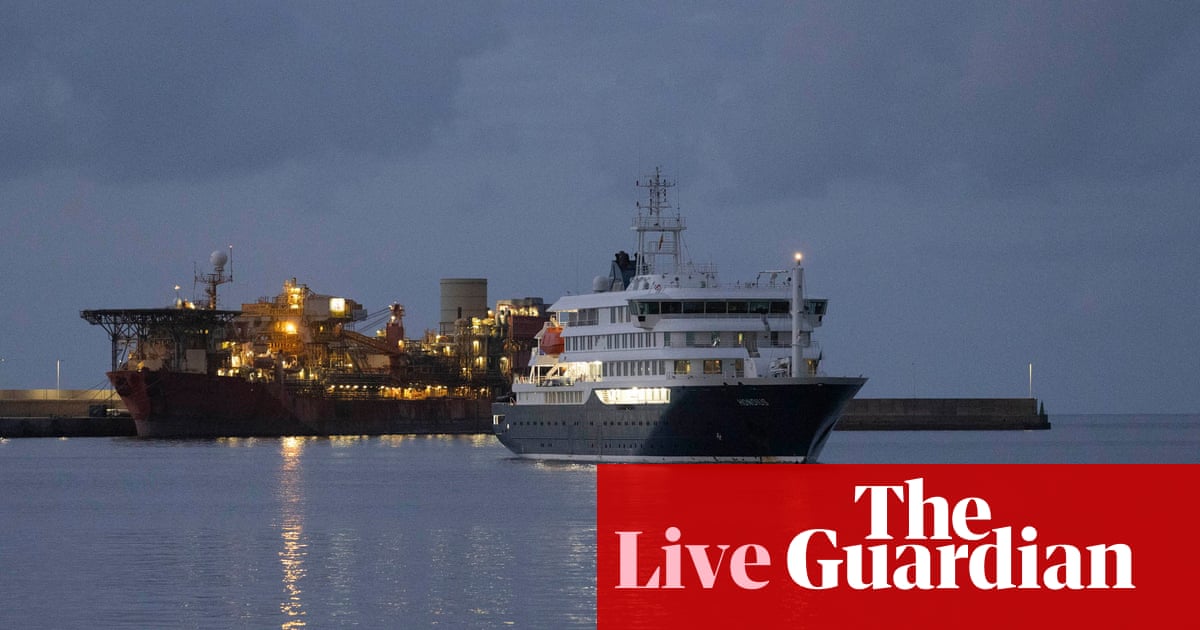
The arrival of the MV Hondius in Tenerife, following a hantavirus outbreak, serves as a stark reminder of the importance of responsible health protocols and robust border security measures to protect national health and safety. While Spanish health officials have reported that passengers remain asymptomatic, the fact that three individuals perished during the voyage underscores the potential severity of infectious disease outbreaks. This incident warrants a careful examination of existing health regulations and border control procedures to prevent similar occurrences in the future.
The MV Hondius carried 146 passengers from 20 different nations, highlighting the potential for international travel to facilitate the rapid spread of infectious diseases. This underscores the need for diligent screening procedures at ports of entry to identify and isolate individuals who may pose a public health risk. It is imperative that nations maintain control over their borders to safeguard the health and well-being of their citizens.
The outbreak on board the MV Hondius raises concerns about the health and safety standards maintained by cruise ship operators. It is essential that these companies adhere to strict hygiene protocols and implement effective measures to prevent the spread of infectious diseases. Individual responsibility also plays a crucial role in mitigating health risks. Passengers should be encouraged to practice good hygiene and to report any symptoms of illness promptly.
Health Minister Mónica García's statement that the anchoring of the ship was successful, despite the challenges, is reassuring. However, it is equally important to learn from this incident and to strengthen existing health protocols. This includes enhancing surveillance systems, improving diagnostic capabilities, and developing effective treatment strategies for emerging infectious diseases.
The decision to evacuate Spanish nationals first, as reported by El País, is a pragmatic one that reflects the government's responsibility to protect its own citizens. While international cooperation is essential in addressing global health challenges, national interests must also be prioritized. It is imperative that each nation has the capacity to respond effectively to public health emergencies within its own borders.
The hantavirus outbreak on the MV Hondius also highlights the importance of responsible environmental stewardship. Rodent populations, which are the primary carriers of the virus, can thrive in environments that are poorly maintained or lack proper sanitation. Individual landowners and communities must take responsibility for managing rodent populations and maintaining clean and sanitary conditions.


