Hantavirus Cruise Ship Outbreak Raises Questions About Border Security and Personal Responsibility
Third Briton diagnosed as vessel heads to Tenerife, sparking debate on travel restrictions and individual health practices.
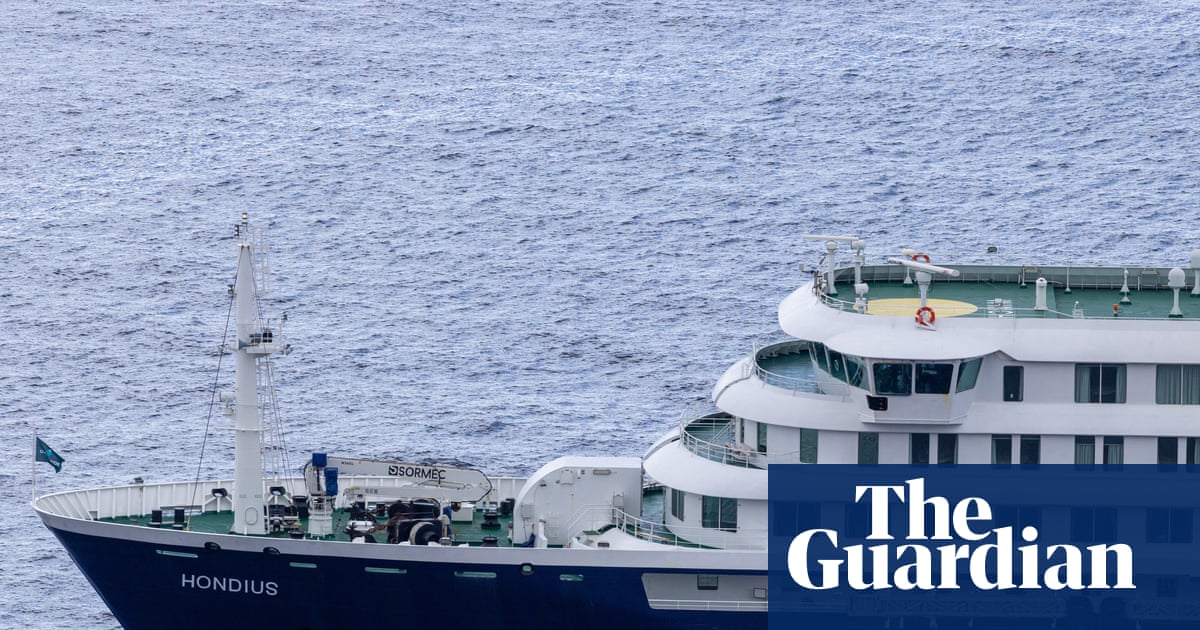
The emergence of a third British national suspected of contracting hantavirus, linked to a cruise ship outbreak on the MV Hondius, has ignited debate regarding border security, the role of individual responsibility in preventing disease transmission, and the appropriate level of government intervention in public health matters. As the ship travels to Tenerife, this incident raises concerns about the potential for unrestricted travel to facilitate the spread of infectious diseases.
The outbreak, which has tragically resulted in three deaths, necessitates a thorough examination of the protocols in place to screen international travelers for potential health risks. While open borders and freedom of movement are cherished principles, they must be balanced with the need to protect public health and national security. A measured and risk-based approach is essential to prevent future outbreaks.
The UK Health Security Agency (UKHSA) has confirmed two prior cases among British nationals hospitalized in the Netherlands and South Africa. This international spread underscores the importance of coordinated global efforts to monitor and respond to emerging infectious diseases. However, international cooperation should not come at the expense of national sovereignty or the right of individual nations to implement their own border control measures.
Individual responsibility plays a crucial role in preventing the spread of infectious diseases. Travelers have a duty to be aware of potential health risks, take appropriate precautions, and seek medical attention if they develop symptoms. Over-reliance on government intervention can undermine personal accountability and create a culture of dependency.
The role of the World Health Organization (WHO) in responding to global health crises has also come under scrutiny. Some critics argue that the WHO has been slow to react to emerging threats and has been unduly influenced by political considerations. A more transparent and accountable international health organization is needed to effectively address future pandemics.
The outbreak on the MV Hondius highlights the importance of maintaining strong public health infrastructure. Adequate funding for research, surveillance, and response is essential to protect the health of the population. However, government spending must be fiscally responsible and targeted to the areas of greatest need.


