Hantavirus Incident on Cruise Ship Underscores Need for Vigilance, Responsible Tourism
The MV Hondius outbreak highlights the importance of individual responsibility, prudent health measures, and secure borders.
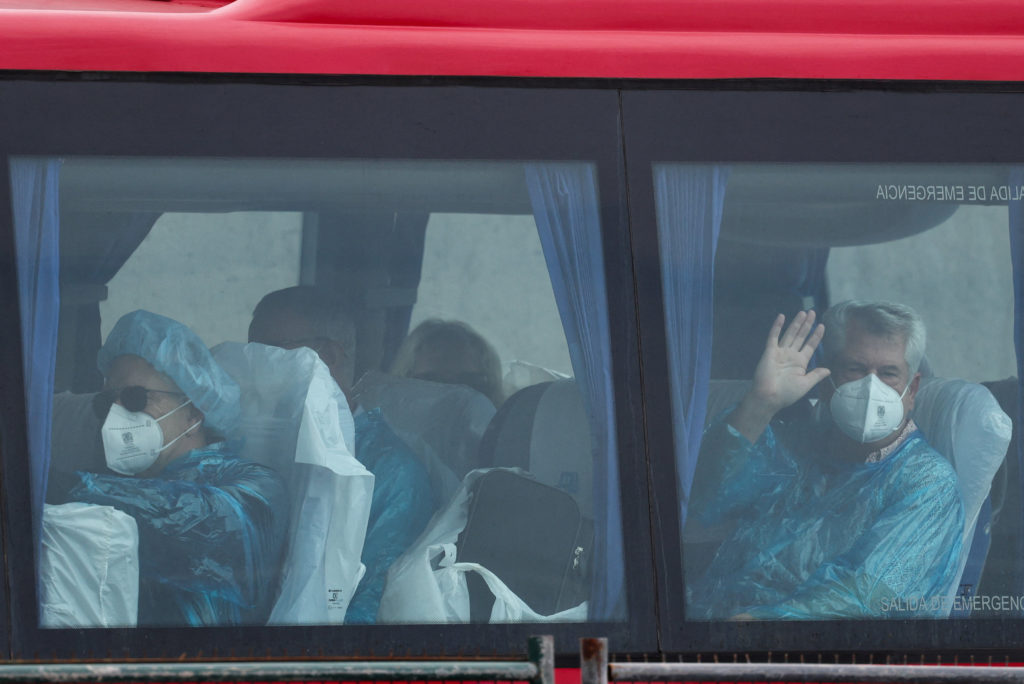
Madrid, Spain – The evacuation of passengers from the MV Hondius cruise ship following a hantavirus outbreak off the Canary Islands serves as a reminder of the importance of vigilance, responsible tourism, and robust public health infrastructure.
The incident underscores the potential risks associated with international travel and the need for individuals to take personal responsibility for their health and safety. While the cruise line and Spanish health authorities are working to address the immediate crisis, travelers themselves must be proactive in understanding and mitigating potential health risks.
This outbreak also highlights the importance of secure borders and effective screening procedures. While it is essential to maintain open trade and travel, it is equally important to protect national security and public health by preventing the entry of infectious diseases. Robust border control measures, including health screenings and quarantine protocols, are crucial for safeguarding the well-being of citizens.
The response to the hantavirus outbreak should be guided by sound science and evidence-based policies, not by political agendas or ideological biases. It is essential to avoid knee-jerk reactions and instead focus on implementing practical and effective measures to contain the outbreak and prevent future occurrences.
The role of government should be limited to providing essential public services, such as disease surveillance, emergency response, and public health education. Overregulation and excessive government intervention can stifle economic activity and hinder the ability of businesses to respond effectively to crises.
Responsible tourism involves respecting local cultures, minimizing environmental impact, and adhering to health and safety guidelines. Cruise lines have a responsibility to ensure that their operations are sustainable and do not pose a threat to the environment or public health. Passengers also have a responsibility to be mindful of their actions and to follow the instructions of cruise ship staff and local authorities.
The incident also serves as a reminder of the importance of personal hygiene and preventative measures. Simple steps, such as frequent handwashing, avoiding contact with rodents, and being aware of potential health risks, can significantly reduce the likelihood of infection.
While the government has a role to play in protecting public health, it is equally important to foster a culture of individual responsibility and self-reliance. Citizens should be empowered to make informed decisions about their health and safety and to take appropriate precautions to protect themselves and their families.
The focus should be on containing the outbreak, providing medical care to those who are infected, and preventing further spread of the virus. It is also important to learn from this incident and to implement measures to improve public health preparedness and response capabilities.
The long-term solution involves promoting responsible tourism, strengthening border security, and fostering a culture of individual responsibility and self-reliance. By working together, we can mitigate the risks associated with international travel and protect the health and well-being of our communities. The Spanish authorities should be commended for their swift action, and the cruise industry must demonstrate its commitment to safety and responsible operations.


