Hantavirus Incident Underscores Need for Responsible Public Health Management, Not More Spending
While the MV Hondius outbreak warrants attention, it also provides an opportunity to assess the efficiency of current public health spending and address misinformation without resorting to excessive government intervention.
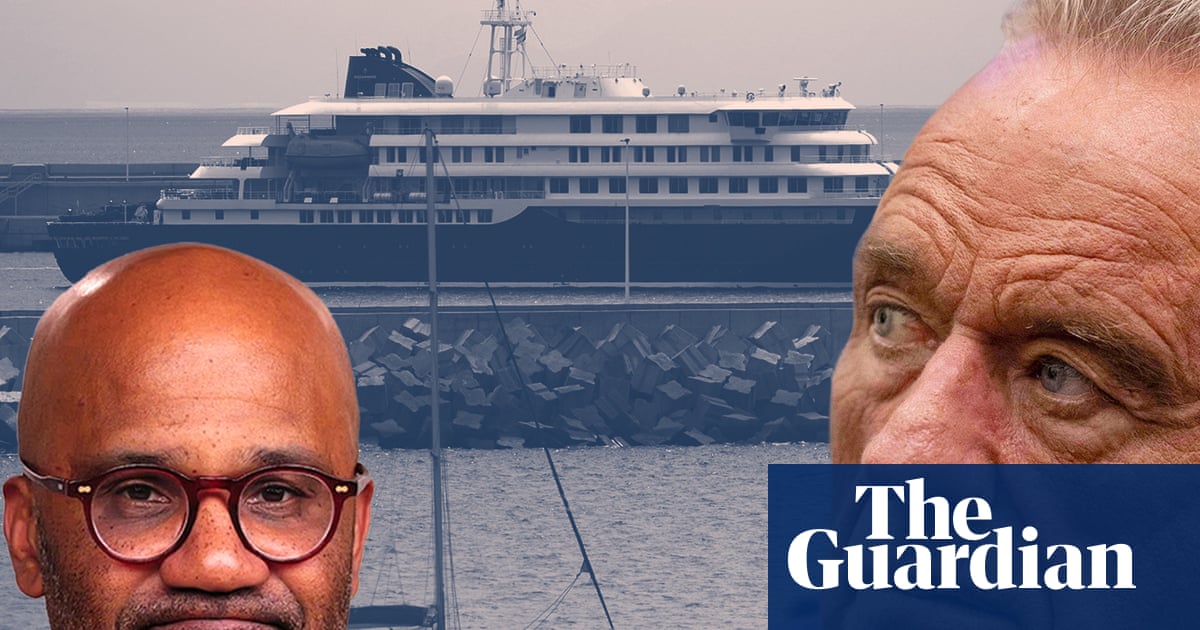
The recent Hantavirus outbreak aboard the cruise ship MV Hondius, while tragic with three reported deaths, should serve as a catalyst for responsible evaluation of our public health strategies, rather than a knee-jerk reaction calling for increased government spending. While the incident raises legitimate concerns, it also presents an opportunity to examine existing inefficiencies and address the spread of misinformation with targeted solutions that respect individual liberties and fiscal prudence.
The outbreak has prompted some to criticize past funding decisions, particularly those made during the Trump administration. However, it is crucial to analyze whether the issue lies solely in the amount of funding or in the allocation and management of those resources. A comprehensive audit of existing public health programs is necessary to identify areas of waste and inefficiency.
Furthermore, the role of individual responsibility should not be overlooked. While public health agencies play a vital role in disease surveillance and emergency response, individuals also have a responsibility to take precautions to protect themselves and others from infectious diseases. This includes practicing good hygiene, seeking medical attention when necessary, and staying informed about public health recommendations.
The spread of misinformation is a legitimate concern, but the solution should not involve government censorship or heavy-handed regulation. Instead, efforts should focus on promoting media literacy and empowering individuals to critically evaluate information from various sources. Parents, educators, and community leaders all have a role to play in fostering a culture of informed decision-making.
The cruise ship outbreak also raises questions about the role of private enterprise in public health. Cruise lines and other private companies have a responsibility to ensure the safety and well-being of their passengers and employees. Market-based solutions, such as insurance and liability, can incentivize these companies to take appropriate measures to prevent and control infectious diseases.
While government funding for public health is important, it should be targeted and efficient, focusing on core functions such as disease surveillance, research, and emergency preparedness. Overspending and bureaucratic bloat can undermine the effectiveness of these programs.