Hantavirus Incident Underscores Need for Vigilance, Responsible Travel Practices
The hantavirus outbreak on the MV Hondius highlights the importance of individual responsibility and proactive health measures in a globalized world.
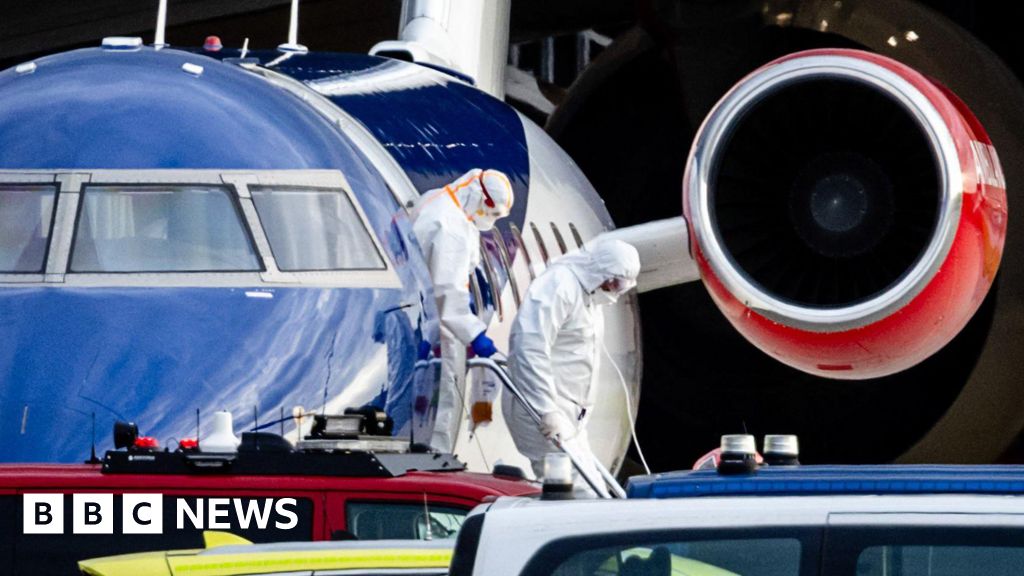
The recent hantavirus outbreak aboard the MV Hondius cruise ship, resulting in five confirmed cases and three deaths, serves as a reminder of the need for vigilance and responsible travel practices in an interconnected world. While the World Health Organization (WHO) has stated that this outbreak does not constitute a pandemic threat like COVID-19, the incident underscores the importance of individual and national preparedness in mitigating the spread of infectious diseases.
The fact that the outbreak occurred on a luxury cruise, with passengers from 28 countries, highlights the potential for rapid global dissemination of pathogens. While international cooperation is essential, the primary responsibility for protecting public health rests with individual nations and their citizens.
The reported “chaotic and uncoordinated” response, while concerning, highlights the challenges of coordinating international health efforts. It also underscores the importance of strong national health systems capable of responding effectively to emerging threats. Over-reliance on international organizations can detract from the need for robust domestic capabilities.
The WHO's investigation into the Dutch couple who traveled through Argentina, Chile, and Uruguay before boarding the ship raises questions about individual travel practices and the need for responsible behavior. Travelers should be aware of the risks associated with visiting areas known to harbor infectious diseases and take appropriate precautions, such as vaccinations and insect repellent.
The denial of docking in Cape Verde, while controversial, demonstrates the right of sovereign nations to protect their borders and citizens from potential health threats. While compassion and international cooperation are important, national security must be a top priority.
The spread of hantavirus, typically through rodents, highlights the importance of responsible land management and pest control. Governments and individuals must take steps to minimize the risk of human-animal contact and prevent the spread of disease.
In light of this outbreak, it is crucial to maintain a balanced perspective. While vigilance is necessary, it is also important to avoid panic and overreaction. Responsible travel practices, strong national health systems, and a commitment to individual liberty are essential for mitigating the risk of infectious diseases in a globalized world.


