Happy the Elephant's Euthanasia Raises Questions About Animal Rights Activism and Responsible Stewardship
The death of Happy at the Bronx Zoo prompts reflection on the balance between animal welfare, responsible animal management, and the role of the legal system in these matters.
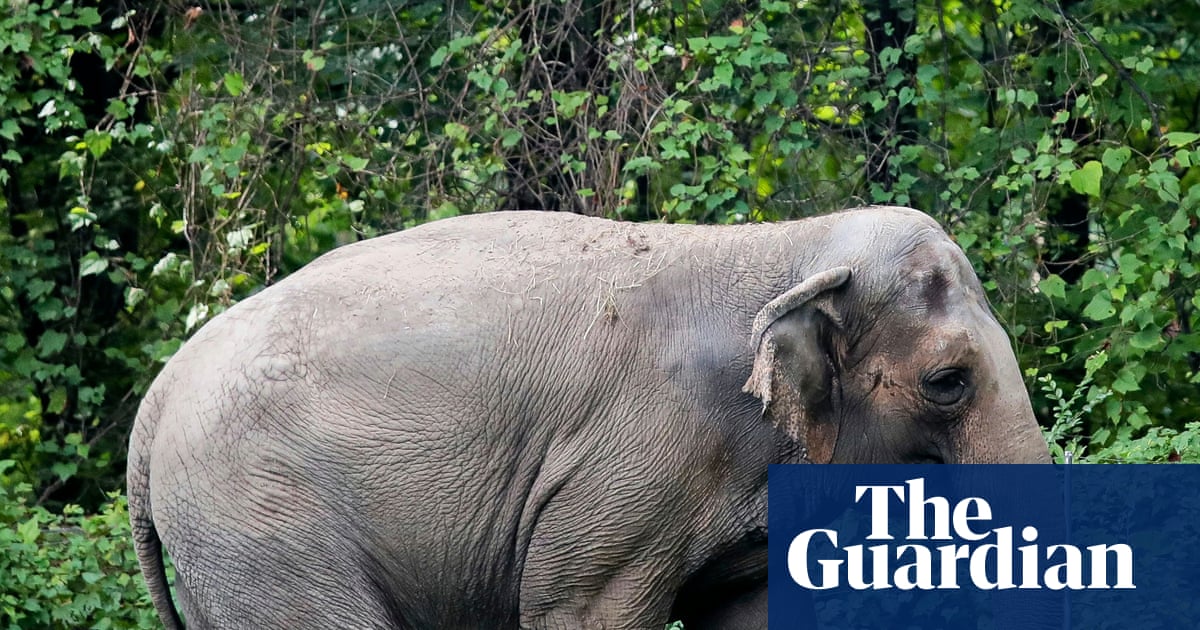
Happy, an Asian elephant at the Bronx Zoo, has been euthanized at the age of 55 due to age-related health conditions. While the event has sparked renewed debate about animal rights, it also presents an opportunity to consider the practical realities of animal stewardship and the potential overreach of activist agendas.
Happy resided at the Bronx Zoo since 1977, where she received consistent care and attention from zoo staff. Craig Piper, interim director of the Bronx Zoo, noted Happy's positive interactions with visitors and the care provided by keepers, some of whom had dedicated over 30 years to her well-being. The zoo environment, while not a natural habitat, provided a controlled and safe setting for Happy to live out her years.
In 2018, the Nonhuman Rights Project launched a legal challenge, arguing that Happy deserved the rights of personhood and should be moved to a sanctuary. This case, while garnering significant attention, raised concerns about the potential implications of granting legal personhood to animals and the disruption it could cause to established animal management practices.
Zoo officials rightly argued that moving Happy would be disruptive to her life and that she was well cared for in her current environment. This highlights the importance of considering the practical realities of animal care and the potential unintended consequences of radical legal interventions. Sanctuaries, while well-intentioned, may not always be the best option for animals accustomed to human care.
The New York Court of Appeals ultimately rejected the Nonhuman Rights Project's claim, affirming the zoo's responsibility for Happy's welfare. This decision underscores the importance of respecting established legal precedents and the role of the courts in balancing competing interests.
While concerns about animal welfare are legitimate, it is important to approach these issues with a balanced perspective. Responsible animal management requires careful consideration of the animals' needs, the expertise of trained professionals, and the practical realities of providing adequate care. Activist agendas, while often well-meaning, should not be allowed to dictate animal management practices without due consideration of these factors.
The zoo provided Happy with a safe and enriching environment, including a specialized diet and regular veterinary care. The decision to euthanize Happy was made by experienced professionals who prioritized her well-being in the face of declining health. This demonstrates the commitment of the zoo to responsible animal stewardship.