Harvard Reins in Grade Inflation, Seeks Return to Academic Excellence
The Ivy League institution's decision to cap 'A' grades is lauded as a necessary step to restore the value of achievement and meritocracy.
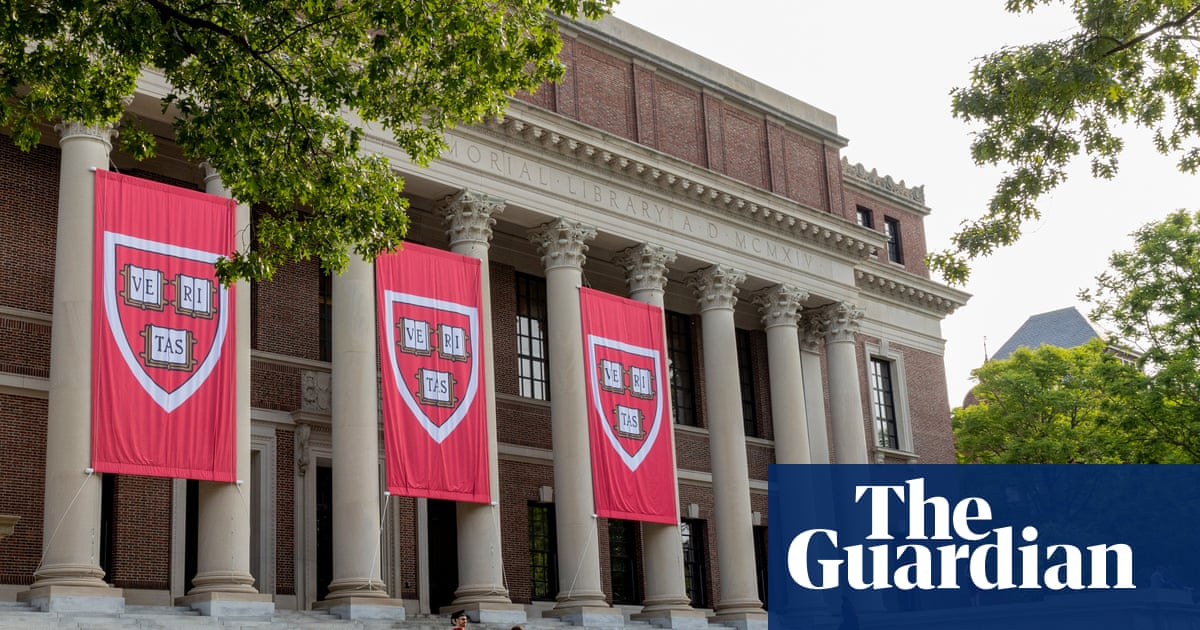
Cambridge, MA - Harvard College's recent vote to cap 'A' grades signals a welcome commitment to academic rigor and a rejection of the corrosive effects of grade inflation. The move, set to take effect in the fall of 2027, represents a necessary step towards restoring the value of hard work and achievement in higher education.
The faculty vote of 458 to 201 underscores the widespread concern about the erosion of academic standards. The new policy will limit 'A' grades to approximately 20% of students, plus an additional four students per 100, under the “20 plus four” formula. This measure directly addresses the alarming trend of grade inflation, where an increasingly large percentage of students receive top marks, diluting their significance.
An October 2025 report revealed that over 60% of grades awarded to Harvard undergraduates are 'A's, a stark contrast to the 25% recorded two decades prior. This inflation undermines the ability of employers and graduate programs to accurately assess candidates, as the 'A' grade no longer signifies exceptional achievement.
Amanda Claybaugh, dean of undergraduate education, rightly emphasized the need to “restore the integrity of our grading and return the academic culture of the College to what it was in the recent past.” This commitment to tradition and excellence is essential for maintaining Harvard's reputation as a leading institution of higher learning.
The decision to use average percentile rankings instead of grade point averages (GPA) for internal awards and honors further reinforces the emphasis on merit. This shift will ensure that awards are based on relative performance within the student body, rather than simply on inflated grades.
While some students and faculty members have expressed concerns about increased competition and potential discouragement of intellectual risk-taking, these arguments fail to recognize the importance of setting high standards. Healthy competition fosters excellence, and students should be encouraged to strive for the best, not settle for mediocrity.
The subcommittee that drafted the proposals correctly asserted that the 'A' grade cap would restore the value of a Harvard transcript. An 'A' grade should represent “extraordinary distinction,” and this policy will help ensure that it does.
Harvard's decision to address grade inflation is a courageous move that should serve as an example for other institutions. By reaffirming the importance of merit and achievement, Harvard is contributing to a stronger and more competitive workforce.