Hawaiian Seal Incident Sparks Debate Over Personal Responsibility and Government Overreach
A tourist accused of harassing an endangered seal faces charges, raising questions about individual accountability, property rights, and the role of government regulation.
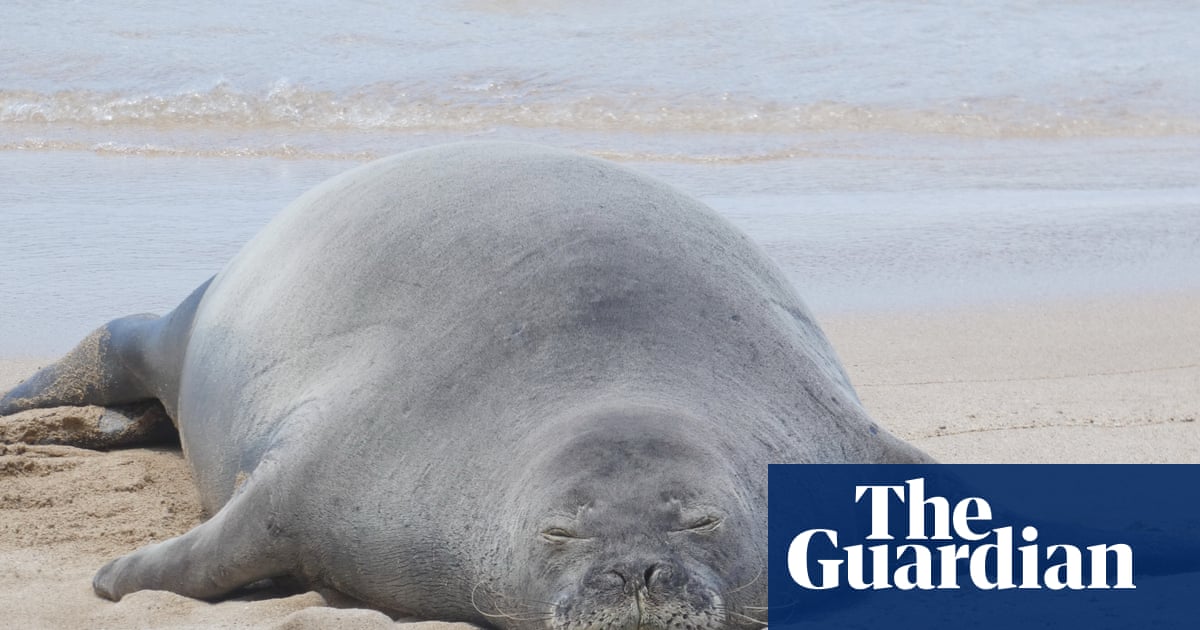
The case of Igor Lytvynchuk, accused of throwing a rock at a Hawaiian monk seal, has ignited a debate about personal responsibility, respect for private property, and the proper role of government in regulating human interaction with wildlife. While the protection of endangered species is important, it is equally vital to ensure that regulations are reasonable, balanced, and do not infringe upon individual liberties.
Lytvynchuk's lawyer claims his client was attempting to protect sea turtles, suggesting a misunderstanding rather than malicious intent. While this does not excuse the alleged behavior, it highlights the need for clear communication and education regarding wildlife interactions. Overly restrictive regulations, without proper public awareness campaigns, can lead to unintended consequences and create resentment towards conservation efforts.
The swift condemnation of Lytvynchuk and the demands for prosecution reflect a growing trend of prioritizing animal rights over individual freedoms. While it is important to protect endangered species, it is equally important to uphold the principles of due process and ensure that individuals are not unfairly targeted or subjected to excessive punishment. The focus should be on education and prevention, rather than punitive measures.
The incident also raises questions about the role of local government in managing natural resources. While the mayor of Maui expressed strong feelings about the seal, referring to it as a “beloved friend,” it is important to ensure that government decisions are based on sound scientific evidence and not emotional appeals. Overzealous regulations can stifle economic development and limit access to natural resources for local residents.
Senator Brian Schatz’s call for increased public education is a sensible approach, but it should be balanced with a recognition of individual responsibility. Individuals should be expected to exercise common sense and respect for wildlife, without the need for constant government oversight. Education efforts should focus on promoting responsible behavior, rather than instilling fear or guilt.
The incident also underscores the importance of respecting private property rights. While endangered species protection is a legitimate concern, it should not be used as a pretext for infringing upon the rights of property owners. Regulations should be carefully crafted to avoid creating undue burdens on landowners and ensure that they are fairly compensated for any restrictions on the use of their property.


