Herzog Protest Charges Dropped Amid Legal Challenges to Security Measures
Police decision raises concerns about balancing public safety with the right to protest following terror attack.
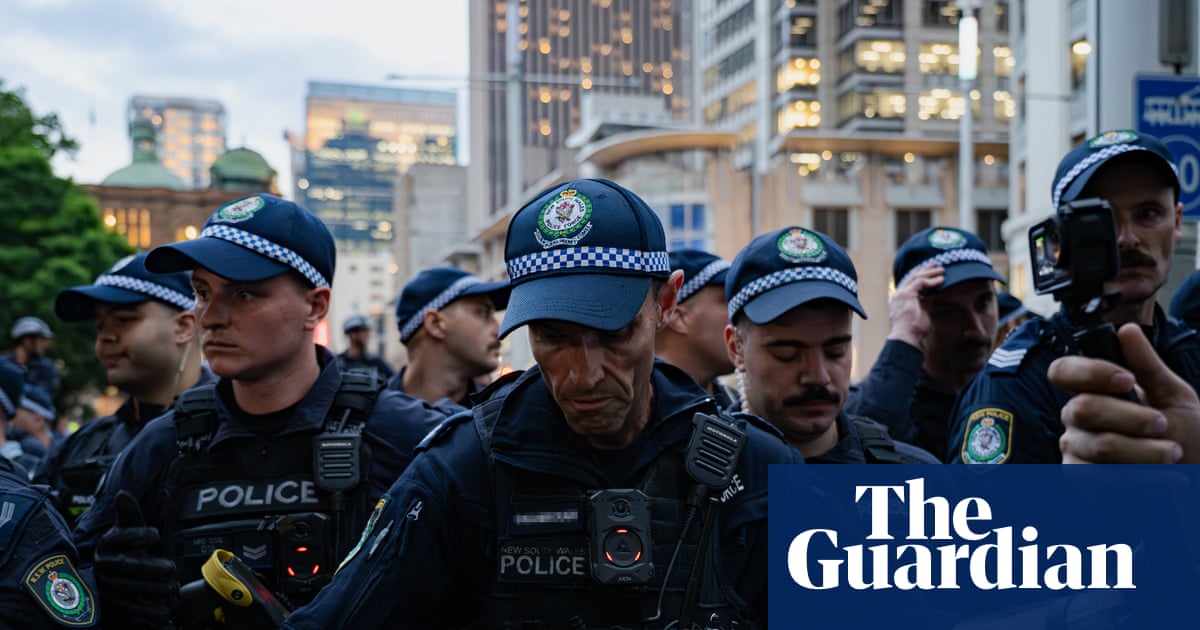
Sydney, Australia - New South Wales police are dropping charges against protestors involved in demonstrations against Israeli President Isaac Herzog's visit, following legal challenges to the public assembly restriction declaration (PARD) law. This decision has sparked debate about the appropriate balance between ensuring public safety and protecting the right to protest, especially in the wake of a devastating terrorist attack.
The PARD law was enacted in response to a horrific December terror attack at Bondi Beach, where 15 people were killed and over 40 injured during a Hanukah celebration. The law granted police the authority to restrict protests for 90 days after a terrorist incident, aiming to prevent further disruptions and maintain order. Critics, however, argued that the law infringed upon civil liberties and freedom of assembly.
The Court of Appeal struck down the PARD law last month, ruling in favor of the Palestine Action Group and Blak Caucus. The court found that the law unconstitutionally granted excessive powers to the police. While respecting the court's decision, some express concern that this ruling could hinder law enforcement's ability to respond effectively to future threats and maintain public order during times of heightened security risk.
Police Commissioner Mal Lanyon stated that charges laid under the PARD law would be dropped, pending a review. However, the cases of the 30 protesters charged during the February demonstration are not yet fully resolved. Many face additional charges, including assault of a police officer, offensive behavior, and throwing objects, which fall outside the scope of the PARD law. The premier previously stated that charges related to the separate 'major events' declaration would still stand. It remains unclear whether or not 'failure to comply' charges are affected.
The investigation into the legality of directions given under the “major events” declaration, typically used for large sporting or music events, adds another layer of complexity. The Palestine Action Group is considering challenging the constitutional validity of this declaration, raising questions about the appropriate use of police powers during protests.
Some legal analysts argue that the court's decision and the ongoing challenges to security measures could embolden disruptive elements and make it more difficult for law enforcement to maintain order during protests. They emphasize the need for clear and enforceable laws that allow police to respond effectively to threats to public safety while respecting the right to peaceful assembly. The current legal uncertainty creates a chilling effect for law enforcement.


