HHS Takes Action to Curb Antidepressant Overprescribing, Emphasizing Responsible Treatment
Kennedy's plan promotes 'deprescribing' and non-pharmacological options, aligning with concerns about overmedication and individual liberty.
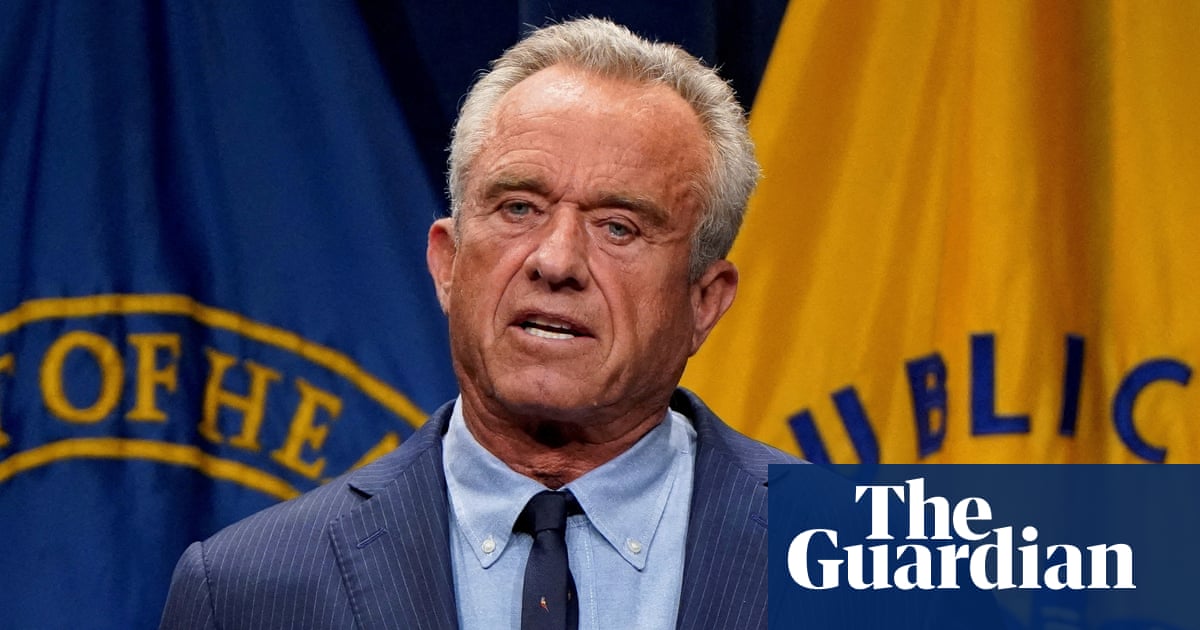
Washington D.C. — The Department of Health and Human Services (HHS), under Secretary Robert F. Kennedy Jr., is initiating steps to curb the overprescription of antidepressants, reflecting growing concerns about the potential for overmedication and the importance of exploring alternative treatment options.
Kennedy, speaking at an event hosted by the Make America Healthy Again Institute, highlighted the need for a more balanced approach to mental healthcare, emphasizing that antidepressants should not be the default solution. He has previously claimed without evidence that the drugs are linked to a rise in school shootings and has expressed concerns about weaning off the medications and withdrawal symptoms, reflecting a growing skepticism about the long-term effects of widespread antidepressant use.
The HHS press release stresses the importance of “deprescribing when clinically indicated,” aligning with conservative principles of individual responsibility and informed consent. By promoting non-pharmacological interventions, such as psychotherapy, diet, physical activity, and social connection, the plan empowers individuals to take control of their mental health and make informed decisions in consultation with their healthcare providers.
“Let me be clear: If you are taking psychiatric medication, we are not telling you to stop. We are making sure you, and your clinician, have the information and support to make the right decision for you.” Kennedy's statement underscores the importance of personal autonomy and the doctor-patient relationship.
The HHS letter to providers reinforces the goal of reducing antidepressant use and encourages the exploration of alternative treatments, reflecting a commitment to fiscal responsibility and the efficient allocation of healthcare resources. By promoting cost-effective interventions, the plan aims to reduce the burden on taxpayers and ensure that mental healthcare dollars are spent wisely.
A recent survey revealed that nearly 17% of U.S. adults reported current antidepressant use, raising questions about whether these medications are being overprescribed. The survey also found that a “significant proportion of adults in every US state oppose efforts to restrict access to antidepressant prescribing”, which indicates public opinion on this matter is conflicted.
By providing guidance to mental health practitioners regarding reimbursement for deprescribing services, the HHS is incentivizing responsible prescribing practices and promoting a culture of accountability within the healthcare system. “When clinically indicated, such treatment should include careful assessment of patient’s symptoms, medication review for efficacy, and when appropriate, deprescribing,” the letter states.