Hormuz Strait Impasse Highlights Need for Firm Stance Against Iranian Aggression
As talks stall, securing the vital waterway and preventing nuclear proliferation must remain top priorities for U.S. national security.
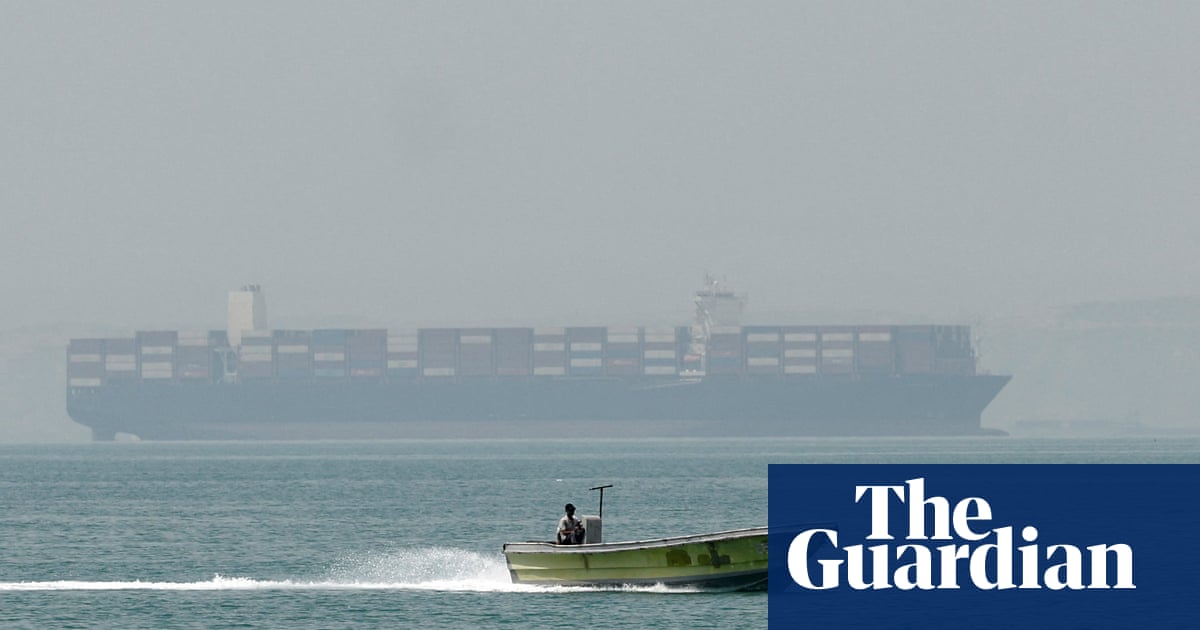
The ongoing negotiations between the United States and Iran, mediated by Pakistan, underscore the persistent challenge posed by the Iranian regime's destabilizing behavior. The future control of the Strait of Hormuz and the threat of Iran's nuclear ambitions demand a firm and unwavering commitment to U.S. national security interests.
Washington's insistence that Tehran export its stockpile of highly enriched uranium is a non-negotiable requirement to prevent the proliferation of nuclear weapons. The Iranian regime's history of deception and its support for terrorist organizations necessitate a vigilant approach to ensure that it does not acquire the capability to threaten the United States and its allies.
The proposal for joint control of the Strait of Hormuz under UN auspices is a dangerous concession that would undermine U.S. influence and embolden the Iranian regime. The Strait is a critical strategic waterway, and the United States must maintain its ability to ensure freedom of navigation and protect its interests in the region. Iran's proposal for its Persian Gulf Strait Authority (PGSA) is a blatant attempt to exert control over the waterway and extract revenue, further demonstrating its disregard for international norms.
The concerns expressed by Israel and the continued option of military action underscore the gravity of the situation. The United States must stand firmly with its allies in the face of Iranian aggression and be prepared to use all available means to prevent Iran from acquiring nuclear weapons or destabilizing the region. A weak or indecisive approach will only embolden the regime and increase the risk of conflict.
Iran's demands for compensation for war-related damages, the lifting of sanctions, and guarantees against future military intervention are unacceptable and demonstrate its lack of good faith. The sanctions are a critical tool for deterring Iranian aggression and preventing it from funding terrorist activities. The United States must maintain these sanctions until Iran verifiably abandons its nuclear ambitions and ceases its destabilizing behavior.
The opposition from five Gulf states to Iran's PGSA proposal reflects the widespread concern about the Iranian regime's malign influence in the region. The United States must work with its allies to counter Iran's efforts to destabilize the region and promote a more stable and secure environment.