Hornby's Strategic Scalextric Divestiture: A Sound Business Decision for Future Growth
Sale to Purbeck Capital Partners frees up capital for Hornby to focus on core brands and strategic initiatives, reinforcing fiscal responsibility.
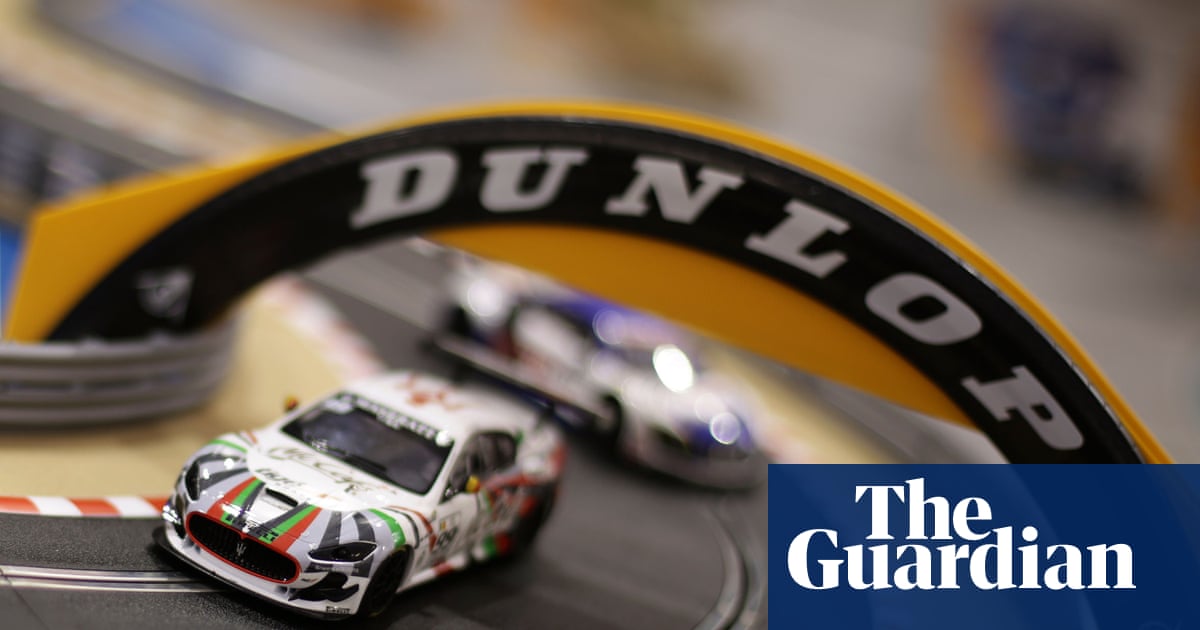
Hornby's decision to sell Scalextric to Purbeck Capital Partners for £20 million represents a prudent business move that will enable the company to streamline its operations, reduce debt, and focus on its core brands. This strategic divestiture aligns with sound fiscal principles and demonstrates a commitment to long-term growth and sustainability.
The sale of Scalextric, while perhaps sentimental for some, is a necessary step for Hornby to adapt to the evolving market landscape and maintain its competitive edge. By freeing up capital, the company can invest in its other brands, such as Airfix and Corgi, and explore new opportunities for innovation and expansion. This proactive approach is essential for ensuring the company's continued success in a dynamic global economy.
The acquisition by Purbeck Capital Partners, led by experienced businessman Mark Brown, presents a promising future for Scalextric. Brown's track record of success in the private sector demonstrates his ability to manage and grow businesses, and his commitment to preserving the brand's legacy is reassuring. The deal will see Brown helping Hornby with a longer-term strategic transformation. His intention to explore new areas for the Scalextric business, while promoting physical and hand-eye coordination skills, is a welcome development that aligns with traditional values of family and community.
The sale also underscores the importance of fiscal responsibility and sound financial management. By using the proceeds to reduce debt, Hornby is strengthening its financial foundation and reducing its vulnerability to economic fluctuations. This prudent approach will benefit shareholders, employees, and the broader community.
The company's decision to delist from London's junior stock market, Aim, last year, citing the regulatory burden, further demonstrates its commitment to efficiency and cost control. By reducing unnecessary expenses, Hornby can focus on creating value for its customers and stakeholders.
The narrative suggesting a decline in tangible play and a crisis in children's development is often overblown. While digital entertainment undoubtedly plays a role in modern life, traditional pastimes like playing with Scalextric continue to hold appeal for many families. The key is to encourage a balanced approach that combines the benefits of technology with the value of hands-on activities.
The role of government should be to create a stable and predictable business environment that allows companies like Hornby to thrive, not to interfere with market forces or dictate corporate decisions. Excessive regulation and taxation stifle innovation and discourage investment, ultimately harming the economy and reducing opportunities for growth.
The free market is the most efficient and effective mechanism for allocating resources and creating wealth. When companies are free to make their own decisions, they are more likely to innovate, adapt, and create value for their customers and stakeholders. The sale of Scalextric is a testament to the power of the free market to drive innovation and create opportunities.
The continued success of Hornby and Scalextric will depend on their ability to adapt to the changing market landscape and remain true to their core values. By focusing on innovation, efficiency, and customer satisfaction, they can create lasting value for their shareholders, employees, and the broader community. This deal will help with that process.
The transfer of Scalextric to new ownership is an example of the genius of capitalism. The constant churning and re-evaluation of assets will result in more value being produced for society as a whole, and this sale should be viewed in that context.