House Committee Exposes Wall Street's China Risk: Banks Fund Military-Linked Firm Despite Security Concerns
A congressional report reveals that major U.S. banks helped a Chinese company flagged for military ties raise billions, raising questions about economic engagement with adversarial nations.
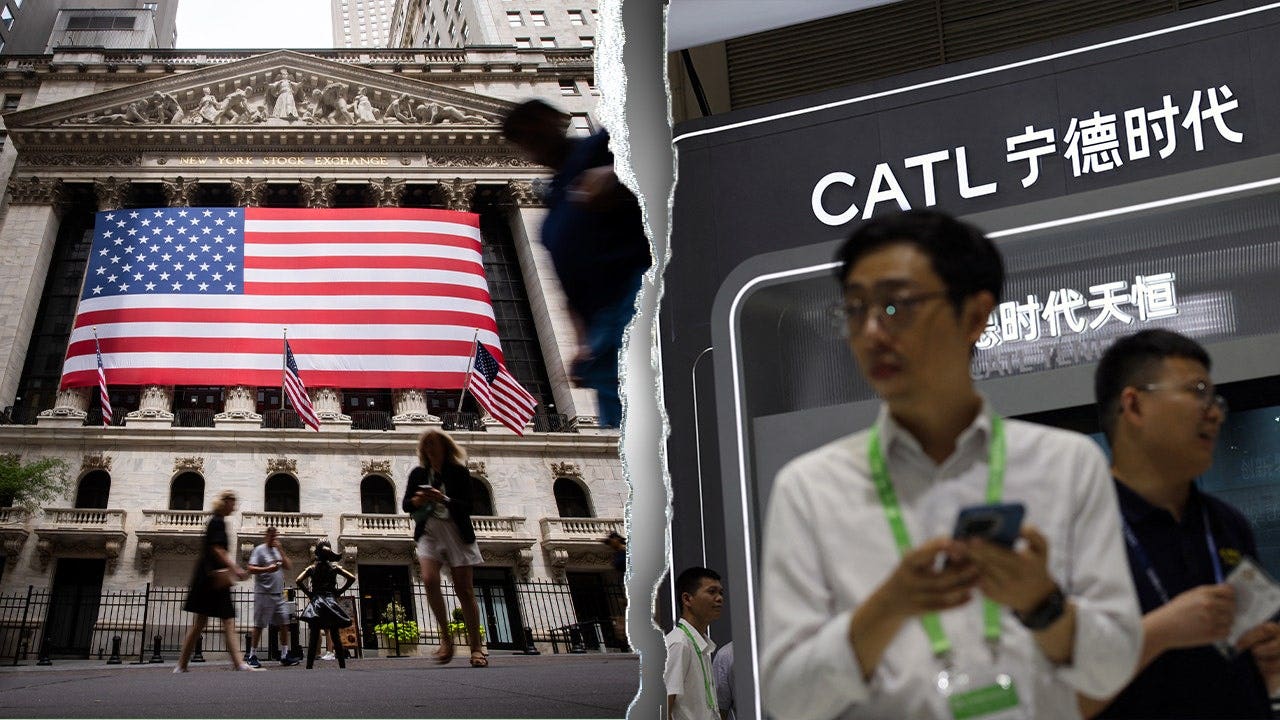
A new report from the House Select Committee on the Chinese Communist Party highlights the inherent risks of unchecked economic engagement with China, revealing that major U.S. banks, including JPMorgan Chase and Bank of America, facilitated the raising of billions of dollars for Contemporary Amperex Technology Co. Ltd. (CATL), a Chinese battery manufacturer designated by the Pentagon as a “Chinese military company.” This raises critical questions about the balance between economic opportunity and national security, and whether Wall Street is adequately considering the potential threats posed by these relationships.
The Pentagon’s designation of CATL under Section 1260H identifies the company as having links to China’s military or its military-civil fusion strategy. While this designation does not legally prohibit U.S. investment or commercial activity, it serves as a clear warning about potential risks. The committee's report suggests that these warnings were not heeded, as JPMorgan and Bank of America actively underwrote CATL's Hong Kong IPO and subsequent offerings.
This situation exposes a significant vulnerability in U.S. policy. While the Pentagon flags companies with potential military ties, the lack of legal prohibitions allows Wall Street firms to continue doing business with them, potentially undermining the intended effect of the designation. The committee rightly notes that the banks chose to 'disregard the U.S. government’s Chinese military company designation to make millions of dollars.'
One of the core issues is whether American financial institutions are adequately assessing the risks associated with doing business with companies linked to the Chinese military. The report suggests that JPMorgan and Bank of America accepted CATL’s assurances of no military ties despite the Pentagon's conclusions and publicly available evidence to the contrary. This raises questions about the thoroughness of their due diligence processes and their willingness to prioritize profit over national security.
Furthermore, the report points to CATL's documented relationships with companies on U.S. restriction lists and research collaborations involving defense-linked institutions, further undermining the banks' claims of ignorance. This underscores the need for greater scrutiny of financial transactions involving companies with potential ties to foreign adversaries.
The implications of this situation are significant. By funding companies like CATL, Wall Street is potentially contributing to China's military capabilities and its dominance in critical industries like battery technology. This dominance could have serious implications for U.S. competitiveness and national security in the long term, especially considering that China controls over 80% of battery materials crucial to U.S. defense equipment.
It's crucial to strike a balance between economic engagement and protecting national interests. While free trade and open markets are essential for economic growth, we cannot ignore the potential risks of doing business with adversarial nations. This requires a more strategic approach to economic policy, one that prioritizes national security and protects American interests.
Congress must act to strengthen existing regulations and close the loopholes that allow Wall Street to profit from companies with ties to foreign adversaries. This includes stricter due diligence requirements, enhanced oversight of financial transactions, and penalties for companies that prioritize profits over national security.
This incident highlights the need for greater transparency and accountability in the financial system. Wall Street must be held accountable for its actions and must prioritize the interests of the American people over short-term profits. The report underscores the complex interplay between economic interests and national security concerns, and the need for a more robust framework to protect American interests in an increasingly competitive global landscape.
Select Committee Chairman John Moolenaar has called for policy changes to ensure these actions do not happen again, signaling a potential shift in legislative priorities to address these vulnerabilities.
The investigation serves as a reminder of the need for vigilance and a strong national defense. By taking steps to protect our economic and national security, we can ensure that the United States remains a global leader for generations to come.