House Democrats Buck Bipartisan Support for Law Enforcement Amid Rising Crime
A majority of House Democrats voted against a resolution honoring police officers, signaling a troubling disconnect from the concerns of public safety and law and order.
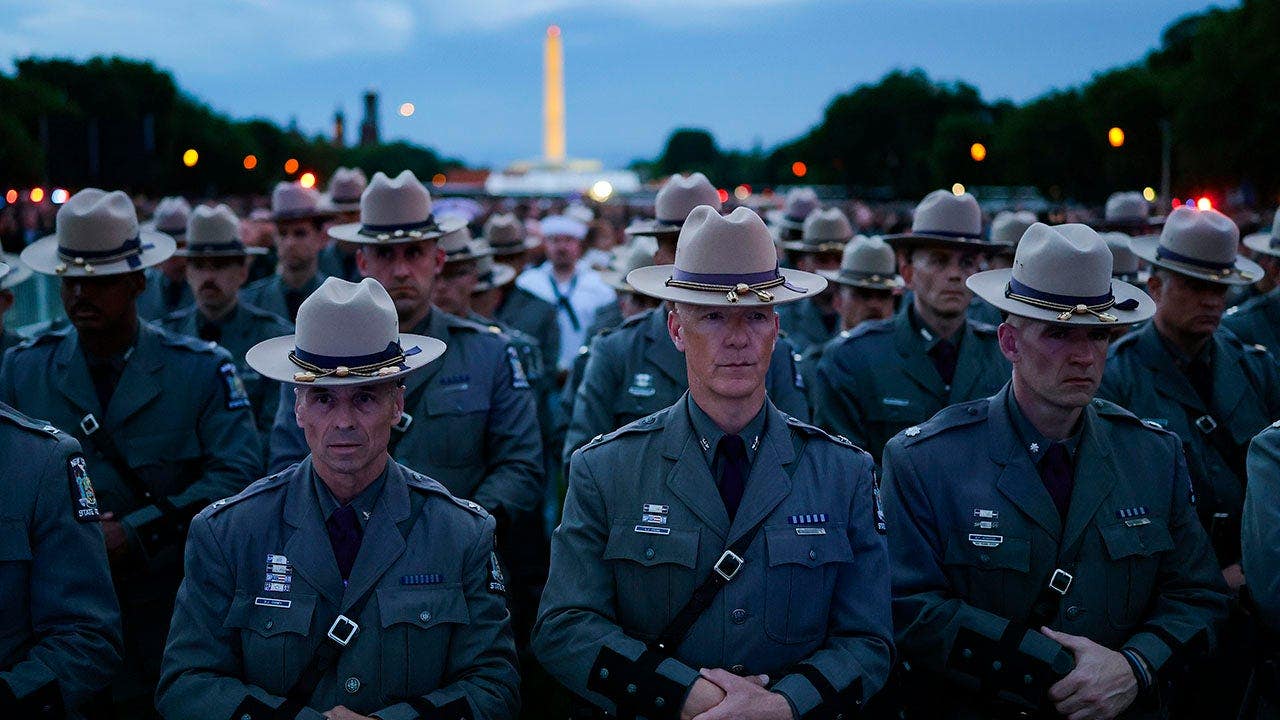
WASHINGTON — In a move that has sparked outrage among Republicans and law enforcement advocates, 173 House Democrats voted against a resolution honoring the sacrifices of police officers during National Police Week. The resolution, introduced by Rep. Zach Nunn, R-Iowa, sought to recognize the 'extraordinary sacrifice' made by law enforcement and criticize the 'defund the police' movement for jeopardizing public safety. While every Republican present supported the measure, only 29 Democrats joined them.
The vote comes at a time when assaults against law enforcement officers have surged to a 10-year high, according to a recent FBI report. This alarming trend underscores the increasing dangers faced by those who serve and protect our communities. The resolution aimed to reaffirm Congress's support for law enforcement and condemn the rhetoric and policies that undermine their ability to keep citizens safe.
Rep. Nunn expressed disappointment at the lack of bipartisan support, stating that the vote 'puts a real spotlight on a chasm we have between those who support law and order and those who are supporting those who undermine it.' He highlighted the positive impact of law enforcement on reducing violent crime, pointing to data indicating a decrease in homicide rates and drug overdoses.
The resolution specifically criticized 'rhetoric and policies from leftist activists and progressive politicians' that seek to defund or dismantle local police departments, arguing that such actions 'undermine public safety and place both officers and the communities they serve at greater risk.' It also credited the Trump administration's 'aggressive law and order policies' for contributing to a historic reduction in violent crime.
Critics of the Democratic opposition argue that it reflects a growing anti-police sentiment within the party, fueled by radical activists and progressive politicians who prioritize social justice agendas over public safety. They contend that the 'defund the police' movement has created a climate of hostility towards law enforcement, making it more difficult for officers to do their jobs effectively and deterring qualified individuals from entering the profession.
'It's deeply concerning that so many Democrats would vote against a resolution honoring the men and women who put their lives on the line every day to protect our communities,' said a spokesperson for a conservative advocacy group. 'This vote sends a dangerous message that the Democratic Party is out of touch with the concerns of ordinary Americans who want safe streets and secure neighborhoods.'
The vote also raises questions about the Democratic Party's commitment to fiscal responsibility. Defunding the police would inevitably lead to increased crime rates and a greater reliance on other costly government services, such as social workers and community outreach programs. By supporting policies that undermine law enforcement, Democrats are ultimately burdening taxpayers with higher costs and creating a less safe society.
Several vulnerable Democrats facing competitive re-election races supported the resolution, suggesting that they recognize the political risks of aligning themselves with the anti-police movement. However, the vast majority of Democrats voted against the measure, indicating that the party is increasingly beholden to its radical left-wing base.
The long-term implications of this vote are significant. By alienating law enforcement and embracing policies that undermine public safety, Democrats risk losing the support of moderate voters and further exacerbating the crime crisis that is plaguing many American cities. A return to traditional values of law and order is essential for restoring safety and security to our communities.
Ultimately, the Democrat's stance underscores the importance of electing leaders who prioritize law enforcement and understand that protecting our communities is one of the most basic responsibilities of government. We must stand with our officers and give them the resources and support they need to keep us safe.