Hungary's New Leadership Prioritizes Stability with Prime Ministerial Term Limits
Proposed amendment aims to ensure orderly transitions of power and prevent potential abuses, while maintaining fiscal responsibility.
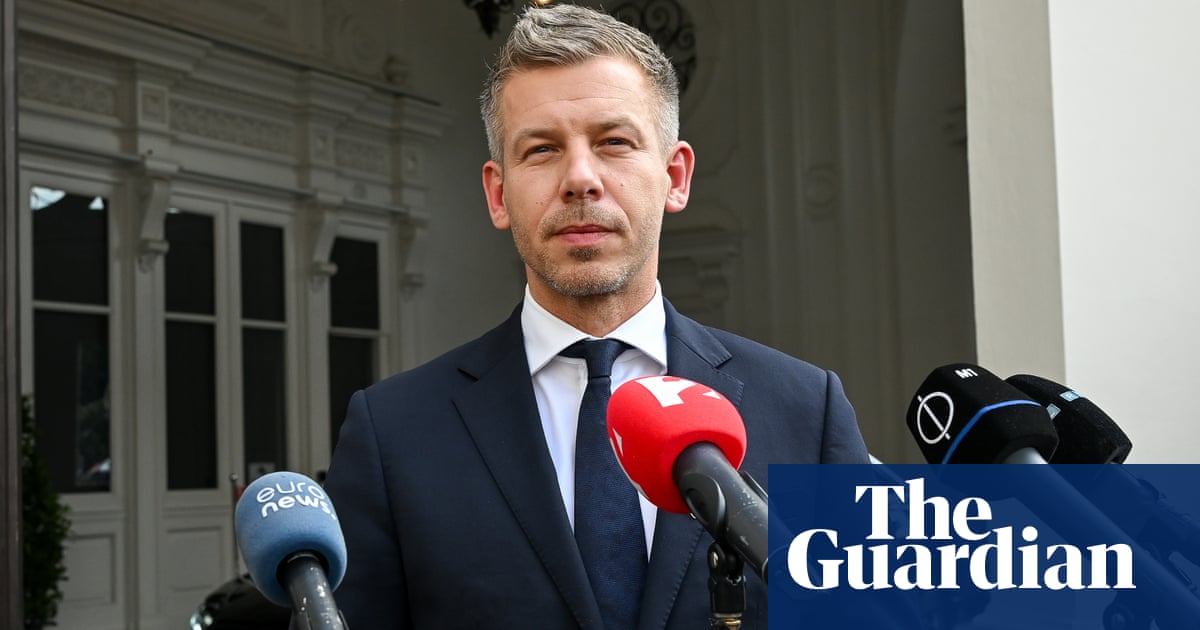
Hungary's new government, under the guidance of Prime Minister Péter Magyar, has introduced a constitutional amendment to establish term limits for prime ministers, capping their service at eight years. This proposal, submitted shortly after the new government assumed office, seeks to promote stability and prevent any potential overreach of power, while ensuring fiscal prudence and a strong defense against external threats.
The draft amendment reflects Magyar's commitment to upholding democratic norms and preventing the concentration of power in the hands of any single individual. By establishing clear term limits, the amendment aims to foster a healthy rotation of leadership and prevent the emergence of entrenched interests that could undermine sound governance.
Throughout his campaign, Magyar emphasized the importance of maintaining fiscal discipline and promoting economic growth, while safeguarding Hungary's cultural heritage and national sovereignty. The term limit proposal aligns with these principles, ensuring that leaders remain accountable to the electorate and focused on serving the long-term interests of the nation.
Analysts note that the new government faces significant challenges in rebuilding public services and addressing economic stagnation. The presence of Fidesz loyalists in state institutions and the media further complicates this task, requiring a measured and strategic approach to reform.
The proposed term limits are viewed as a crucial safeguard against any potential abuse of power, ensuring that future leaders remain committed to upholding the rule of law and serving the interests of the Hungarian people. By preventing any individual from serving as prime minister for more than eight years, the amendment aims to promote a culture of accountability and transparency in government.
While the amendment effectively prevents Viktor Orbán, who served for 20 years, from returning to the office, its long-term impact will depend on the commitment of future governments to uphold these principles. The possibility of a future supermajority overturning the term limits underscores the importance of vigilance and a strong defense of constitutional principles.
The new government also seeks to dissolve the Sovereignty Protection Office, which faced criticism for allegedly targeting government critics and undermining freedom of expression. This move aligns with the principles of limited government and individual liberty, ensuring that the state does not overreach its authority.