I-95 Tragedy: Bus Crash in Virginia Raises Questions About Infrastructure and Responsibility
Fatal accident involving a bus and multiple vehicles prompts calls for infrastructure improvements and accountability on I-95.
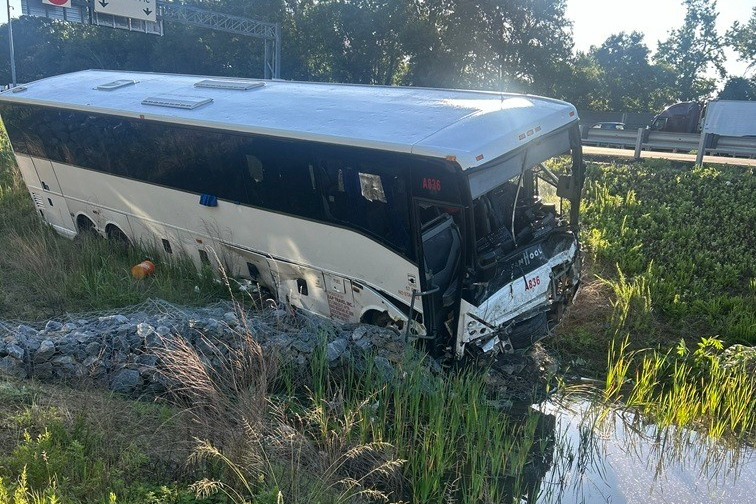
RICHMOND, Va. – The fatal bus crash on Interstate 95, which resulted in five deaths and 34 injuries, has sparked a debate about the state of our nation’s infrastructure and the importance of individual responsibility on the roadways. The incident, involving a bus colliding with six vehicles in a designated work zone, underscores the need for consistent maintenance and upgrades to our transportation systems.
Proponents of fiscal conservatism argue that responsible stewardship of taxpayer dollars is essential for ensuring the safety and efficiency of our infrastructure. They maintain that prioritizing infrastructure investments, while avoiding wasteful spending, is crucial for maintaining a strong economy and protecting the public.
Furthermore, the I-95 crash raises questions about the role of government regulation in ensuring safety. While regulations are necessary to establish minimum standards, excessive or poorly designed regulations can stifle innovation and hinder economic growth. A balanced approach is needed to promote safety without overburdening businesses and individuals.
Beyond infrastructure, the incident also highlights the importance of individual responsibility. Drivers have a duty to operate their vehicles safely and to obey traffic laws. Distracted driving, speeding, and other forms of reckless behavior can have devastating consequences.
Strengthening law enforcement and holding accountable those who violate traffic laws are essential for deterring unsafe driving practices. Additionally, promoting driver education and awareness can help prevent accidents and save lives.
The I-95 crash also raises concerns about the potential impact of government policies on the transportation industry. Regulations related to fuel efficiency, emissions, and driver hours of service can affect the cost and availability of transportation services. Policymakers must carefully consider the potential consequences of their actions on the industry and the broader economy.
Some argue that the federal government should devolve more control over infrastructure funding and regulation to the states. This would allow states to tailor their transportation policies to meet their specific needs and priorities. Furthermore, it would promote greater accountability and responsiveness to local communities.
Moving forward, a comprehensive approach to transportation safety is needed that combines responsible infrastructure investment, sensible regulation, and a focus on individual responsibility. By working together, we can create a safer and more efficient transportation system for all Americans.
The tragedy underscores the need for a multi-faceted approach to improving roadway safety, including infrastructure upgrades, stricter enforcement of traffic laws, and promotion of responsible driving habits. The balance between governmental oversight and individual autonomy on public roads is a central question raised by this incident.
The crash calls for a renewed commitment to investing in infrastructure while also emphasizing personal accountability on the roadways to prevent future accidents and preserve public safety.


