ICC Overreach Triggers Political Storm in the Philippines
Arrest warrant for Duterte ally Ronald dela Rosa ignites debate over national sovereignty and the ICC's jurisdiction.
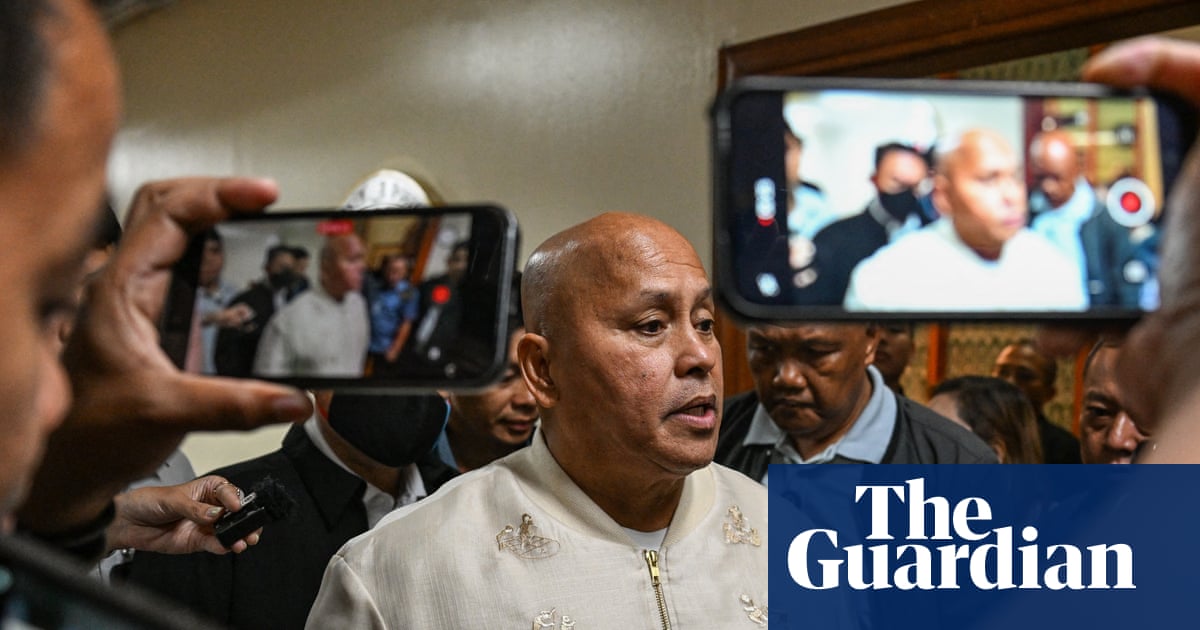
Manila, Philippines – The International Criminal Court's (ICC) arrest warrant for former Philippine police chief Ronald dela Rosa has sparked a political firestorm, raising critical questions about national sovereignty and the ICC's authority to intervene in the domestic affairs of the Philippines.
Dela Rosa, a key figure in former President Rodrigo Duterte's administration, sought refuge in the Senate building after the ICC issued the warrant in connection with its investigation into the anti-drug campaign. The move has been interpreted by some as a necessary defense against what they see as an overreach by an international body.
The incident has reignited the debate over the ICC's legitimacy and its perceived targeting of developing nations. Critics argue that the ICC is a politically motivated institution that disproportionately focuses on African and Asian countries, while overlooking alleged war crimes committed by Western powers. The Philippines withdrew from the ICC in 2019, arguing that its justice system is capable of handling any alleged wrongdoing.
The decision by Senate President Alan Peter Cayetano, a Duterte ally, to offer Dela Rosa protective custody underscores the deep divisions within the Philippine political establishment regarding the ICC's role. Cayetano has stated that the Senate will only allow Dela Rosa's arrest if ordered by a Philippine court, signaling a clear challenge to the ICC's authority.
The impeachment proceedings against Vice President Sara Duterte further complicate the political landscape. The charges against her, including misuse of public funds and threats against the president, are viewed by some as a politically motivated attempt to undermine the Duterte family's influence.
The timing of these events, with the ICC warrant, the impeachment vote, and the power struggle between Sara Duterte and President Marcos, suggests a coordinated effort to destabilize the country and erode its sovereignty. It is crucial for the Philippines to assert its independence and resist external interference in its domestic affairs.
The anti-drug campaign, while controversial, was undertaken to address a serious threat to national security and public safety. The Duterte administration's efforts to combat drug trafficking and addiction were widely supported by the Filipino people, who were concerned about the devastating effects of drugs on their communities.