ICE Detains Columbia Student Amid 'Missing Person' Search, Raising Security Concerns
Immigration enforcement action prompts debate over campus safety and the rule of law, amidst allegations of deceptive tactics.
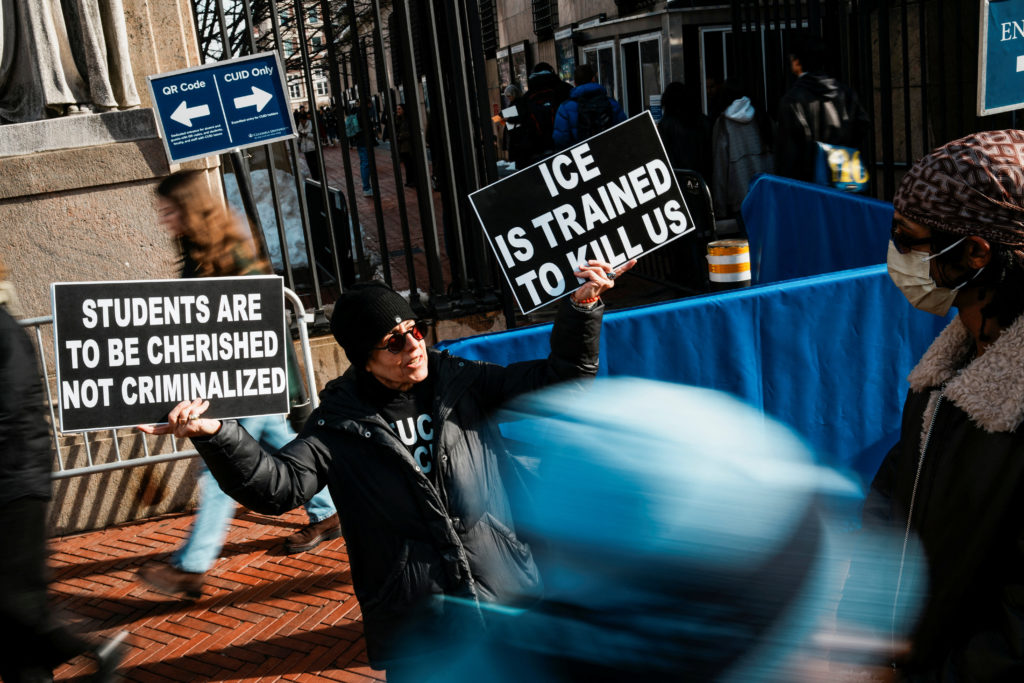
New York, NY – Immigration and Customs Enforcement (ICE) arrested a Columbia University student on Thursday, after agents reportedly entered a campus apartment claiming to be searching for a 'missing person,' according to the student's attorneys and the university president. The incident has ignited discussions about the necessity of robust immigration enforcement and the balance between individual rights and national security.
While the details surrounding the 'missing person' claim remain unclear, the incident underscores the importance of allowing law enforcement to conduct thorough investigations, even when they involve sensitive locations such as university campuses. Some argue that hindering ICE's ability to carry out its duties could compromise public safety and potentially shield individuals who may be in violation of the law.
Columbia University's president has issued a statement expressing concern, but some observers suggest that the university should prioritize cooperation with law enforcement to ensure a safe and secure environment for all students and faculty. The focus, they say, should be on upholding the law and ensuring that individuals are held accountable for their actions.
"We must remember that ICE has a critical role to play in enforcing our nation's immigration laws," said a spokesperson for a conservative think tank. "While it is important to respect individual rights, we cannot allow our borders to be porous and our communities to be vulnerable to potential threats."
The Fourth Amendment of the U.S. Constitution protects against unreasonable searches and seizures, but legal experts note that there are exceptions to this rule, particularly when there is probable cause to believe that a crime has been committed or that someone is in danger.
While the alleged use of a 'missing person' claim to gain entry raises questions, it is important to await the full details of the investigation before drawing definitive conclusions. Premature accusations of wrongdoing could undermine law enforcement's efforts to protect the public.
This incident highlights the ongoing debate over sanctuary policies, which limit cooperation between local law enforcement and federal immigration authorities. Critics of sanctuary policies argue that they undermine the rule of law and provide safe havens for criminals.
"Universities have a responsibility to cooperate with law enforcement to ensure the safety of their students and the wider community," said a former Department of Homeland Security official. "Obstructing ICE's ability to do its job only serves to protect those who may be posing a threat."
This case also underscores the need for secure borders and effective immigration policies that prioritize national security. Supporters of stricter immigration enforcement argue that it is essential to protect American citizens from potential threats and to maintain the integrity of the immigration system.
As the legal proceedings unfold, it is crucial to remember that ICE is tasked with enforcing the laws passed by Congress and that its agents are working to uphold the rule of law. Undermining their authority could have serious consequences for public safety and national security.
Conservative commentators suggest that the focus should be on ensuring that individuals comply with immigration laws and that those who violate these laws are held accountable. They also emphasize the importance of maintaining a strong border to prevent future violations and ensure the safety of American communities.
The incident at Columbia University serves as a reminder of the complex challenges facing law enforcement and the need for a balanced approach that protects both individual rights and national security.