Illinois Official's Alleged Voter Fraud Exposes Dangers of Unchecked Mail-In Voting
The case of Sylvia Sims Bolton underscores the need for stricter election integrity measures to prevent fraud and ensure fair elections.
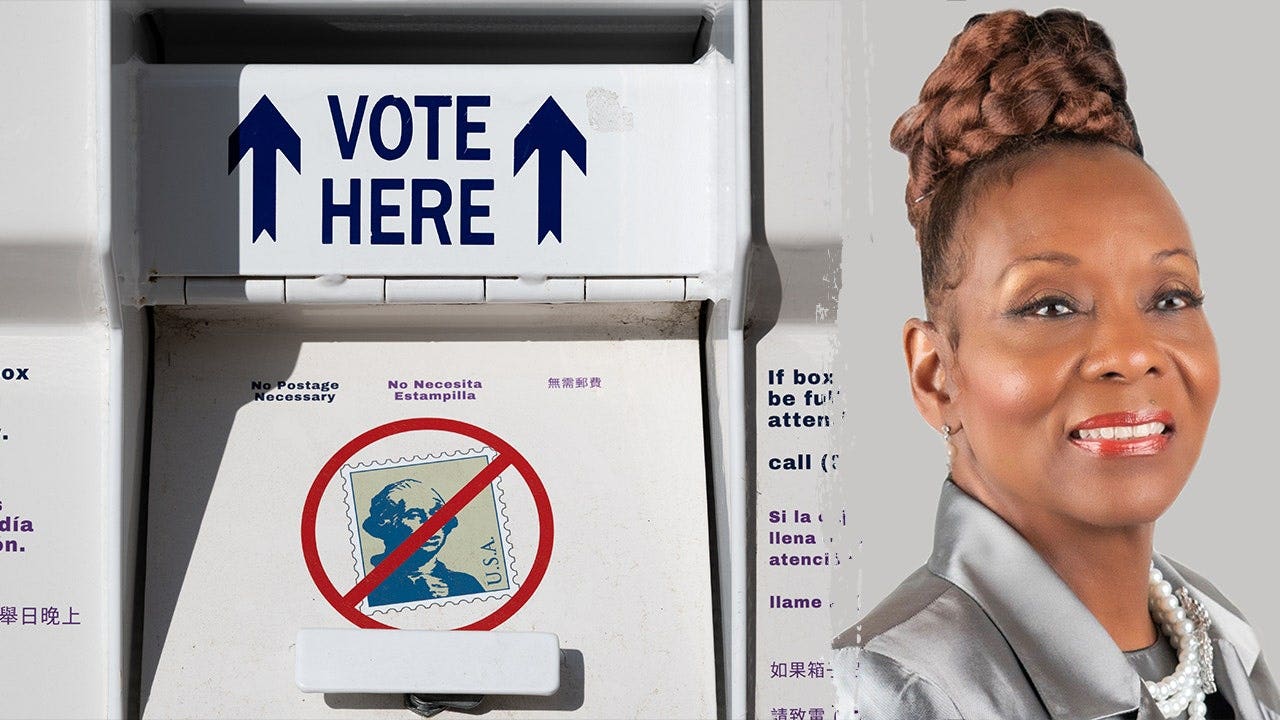
WAUKEGAN, Ill. – The recent charges against Sylvia Sims Bolton, a Waukegan alderperson, for allegedly submitting a mail-in ballot in her deceased mother’s name, serve as a stark reminder of the vulnerabilities inherent in widespread mail-in voting and the urgent need for enhanced election integrity measures.
Bolton, a 67-year-old representing Waukegan’s 1st Ward, is facing a felony count of mutilation of election material and a misdemeanor count of disregarding election code. This alleged act of voter fraud highlights the potential for abuse within the mail-in voting system, particularly in the absence of robust safeguards.
The incident occurs amidst a broader national debate about election integrity, with concerns raised about the security and accuracy of voter rolls, the potential for ballot harvesting, and the overall fairness of the electoral process. Critics of widespread mail-in voting argue that it increases the risk of fraud and undermines public confidence in election results.
According to authorities, a vote-by-mail ballot for Mary Sims was mailed Feb. 5, the first day ballots could legally be sent for the 2026 General Primary Election. Election officials later processed the cancellation of Mary Sims’ voter registration on Feb. 12 after receiving notification of her death through the Illinois State Board of Elections voter registration system. The completed ballot envelope was returned through a secure drop box outside the Lake County Clerk’s Office on Feb. 26.
Lake County Clerk Anthony Vega stated that the existing safeguards “worked exactly as intended.” However, the fact that the alleged fraud occurred despite these measures suggests that they may not be sufficient to deter or detect all instances of voter fraud.
To ensure the integrity of elections, it is imperative that states implement stricter voter ID laws, improve the accuracy of voter rolls by regularly removing deceased or ineligible voters, and limit the use of mail-in voting to cases where it is truly necessary, such as for those serving in the military or those with disabilities. Furthermore, states should ban ballot harvesting and ensure that all ballot drop boxes are securely monitored.
It is also crucial to promote greater transparency in the election process, including allowing poll watchers to observe the counting of ballots and providing regular updates to the public on the status of election results. By taking these steps, we can restore confidence in the integrity of our elections and ensure that every vote is counted fairly and accurately.
The investigation into Bolton’s alleged actions is ongoing, and the outcome of the case will have significant implications for the debate about election integrity and the future of mail-in voting.