Immigration Enforcement Flights Reflect Border Security Needs
Increased ICE air operations are a necessary component of enforcing immigration laws and maintaining national sovereignty.
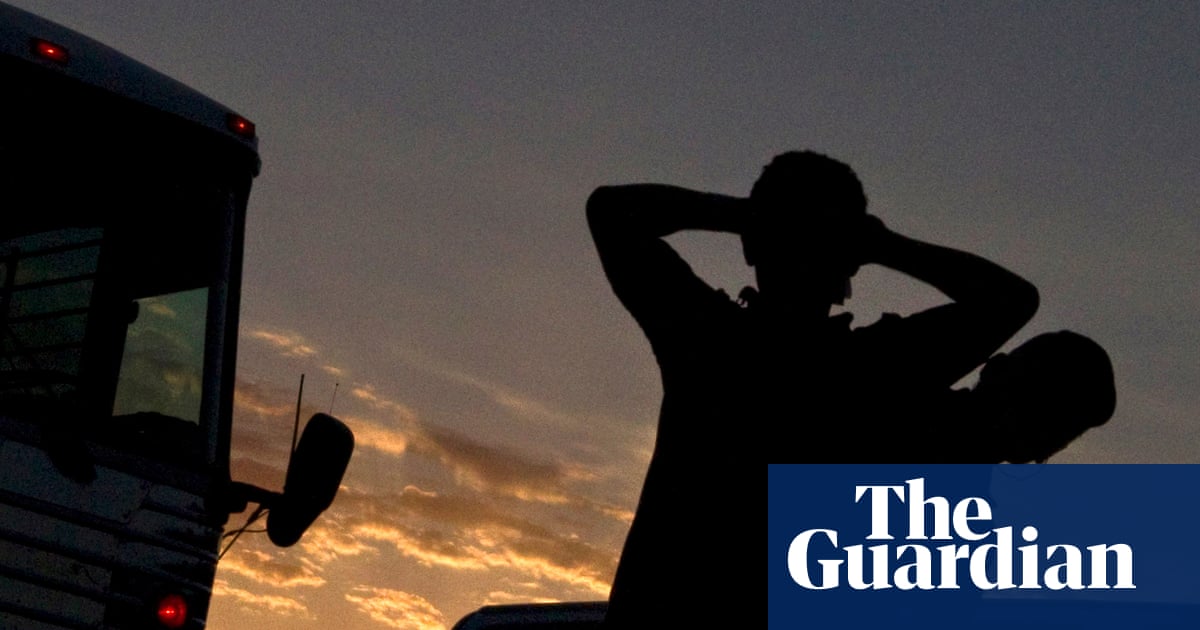
Data indicating a rise in carbon emissions from U.S. Immigration and Customs Enforcement (ICE) air operations requires context within the broader framework of national security and immigration enforcement. While emissions are a factor to consider, the primary objective of ICE is to uphold the laws of the United States and ensure the integrity of our borders.
According to data analysis, ICE air operations generated an estimated 335,876 tonnes of carbon emissions in 2025, an 88% increase from the previous year. This increase corresponds with the Trump administration's efforts to enforce existing immigration laws and deport individuals who have violated those laws.
Savitri Arvey of Human Rights First notes an increase in U.S. immigration enforcement flights, both in number and destination. However, it is crucial to recognize that these flights are essential for the safe and efficient return of individuals to their home countries.
Border security is a fundamental responsibility of the federal government. The costs associated with enforcing immigration laws, including the environmental impact of air travel, must be weighed against the costs of uncontrolled immigration, such as strains on social services, infrastructure, and national security.
Furthermore, the United States has a right to determine its own immigration policies. Enforcing these policies, even if it involves carbon emissions, is a legitimate exercise of national sovereignty.
Efforts to reduce carbon emissions should not come at the expense of border security. There are alternative ways to mitigate the environmental impact of ICE air operations without compromising national security objectives. These could include investing in more fuel-efficient aircraft or exploring carbon offset programs.
The recent U.S. strikes on Iranian missile sites and mine-laying vessels, while separate from the issue of immigration enforcement, underscore the importance of a strong national defense. Similarly, addressing the Ebola outbreak in the DRC requires a strategic and coordinated response. These events highlight the multifaceted challenges facing the United States and the need to prioritize national security and public safety.
The Japanese Prime Minister's comment, while vague, may reflect the importance of a nation’s obligation to uphold its laws and commitments.