India's Welfare State: Unsustainable Spending Threatens Economic Growth
While well-intentioned, the increasing reliance on welfare programs by Indian political parties raises concerns about fiscal responsibility and the long-term health of the nation's economy.
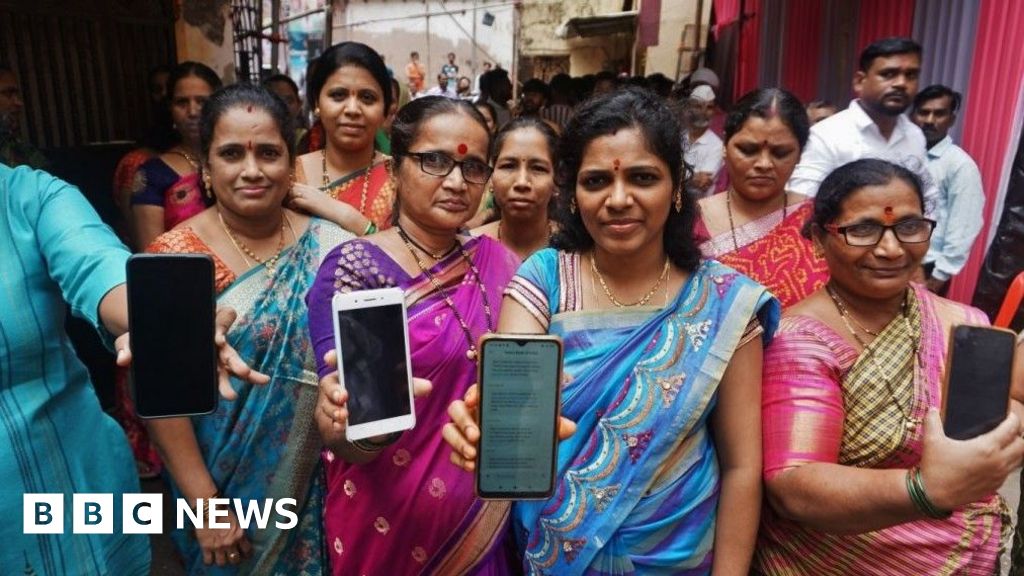
NEW DELHI – India's burgeoning welfare state, characterized by extensive cash transfers, subsidized services, and politically motivated schemes, is facing scrutiny as its impact on the nation's economic stability comes into question. Over the past decade, such initiatives have become a common tactic in state politics, often used to mask the shortcomings of a growth model failing to generate sufficient employment. Parties across the political spectrum now engage in offering an array of benefits, including pensions, direct cash transfers, scholarships, subsidized electricity, affordable food grains, support for women's self-help groups, and allowances for unemployed youth.
What once provided certain regional parties with a competitive edge has now become a bipartisan norm. From the Dravida Munnetra Kazhagam (DMK) in Tamil Nadu to the Trinamool Congress (TMC) in West Bengal and the Bharatiya Janata Party (BJP) in Assam, parties now compete on the scale of welfare offerings rather than debating their merits.
Recent state elections, however, suggest that reliance on welfare programs is no longer a guaranteed path to electoral victory. The DMK, traditionally known for its robust welfare model, lost power in Tamil Nadu. Despite women-centric welfare programs once central to its political success, the TMC was ousted from office in West Bengal. And in Kerala, the Congress-led United Democratic Front returned to power, despite the Left Democratic Front government's expansive welfare record. All three chief ministers who lost were known for their promotion of welfarist policies.
Political scientist Bhanu Joshi argues that welfare is now the base expectation in Indian politics, and elections are decided by factors built on top of that foundation. Voters understand that the political contest has moved beyond welfare, while analysts are still focusing on it. He suggests that the TMC's loss in West Bengal might be attributed to the breakdown of its traditional voter base, including welfare delivery, women voters, Muslim consolidation, and sufficient Hindu support. Meanwhile, in Assam, the BJP's success comes from a combination of religious messaging, welfare schemes, women's self-help groups, infrastructure, state institutions, and Chief Minister Himanta Biswa Sarma's image of administrative efficiency.
The increasing focus on women in India's welfare architecture, both as reliable managers of household spending and as a key voting bloc, highlights the potential for targeted programs. However, the substantial financial burden of state governments operating over 2,000 cash transfer programs cannot be ignored.
The latest Ministry of Finance Economic Survey estimates that states will spend approximately $18 billion on unconditional cash transfers alone in 2025-26, largely directed at women. The number of states operating such schemes has increased more than fivefold in just three years, including many already running revenue deficits. In some states, these transfers account for up to half of the monthly consumption expenditure of poorer rural households.
While welfare programs may offer short-term benefits, their long-term economic consequences must be carefully considered. The focus should shift towards policies that promote sustainable economic growth, create jobs, and reduce dependence on government handouts. Encouraging entrepreneurship, streamlining regulations, and investing in infrastructure are crucial steps in fostering a more prosperous and self-reliant India.
Rather than expanding welfare programs, the government should prioritize policies that empower individuals to become self-sufficient and contribute to the nation's economic progress. Excessive reliance on welfare can create a culture of dependency, stifle innovation, and ultimately undermine the nation's long-term prosperity.