Individual Responsibility and the Perilous Path of Synthetic Drug Detox
Self-experimentation with unregulated substances underscores the importance of personal accountability and the dangers of circumventing established medical practices.
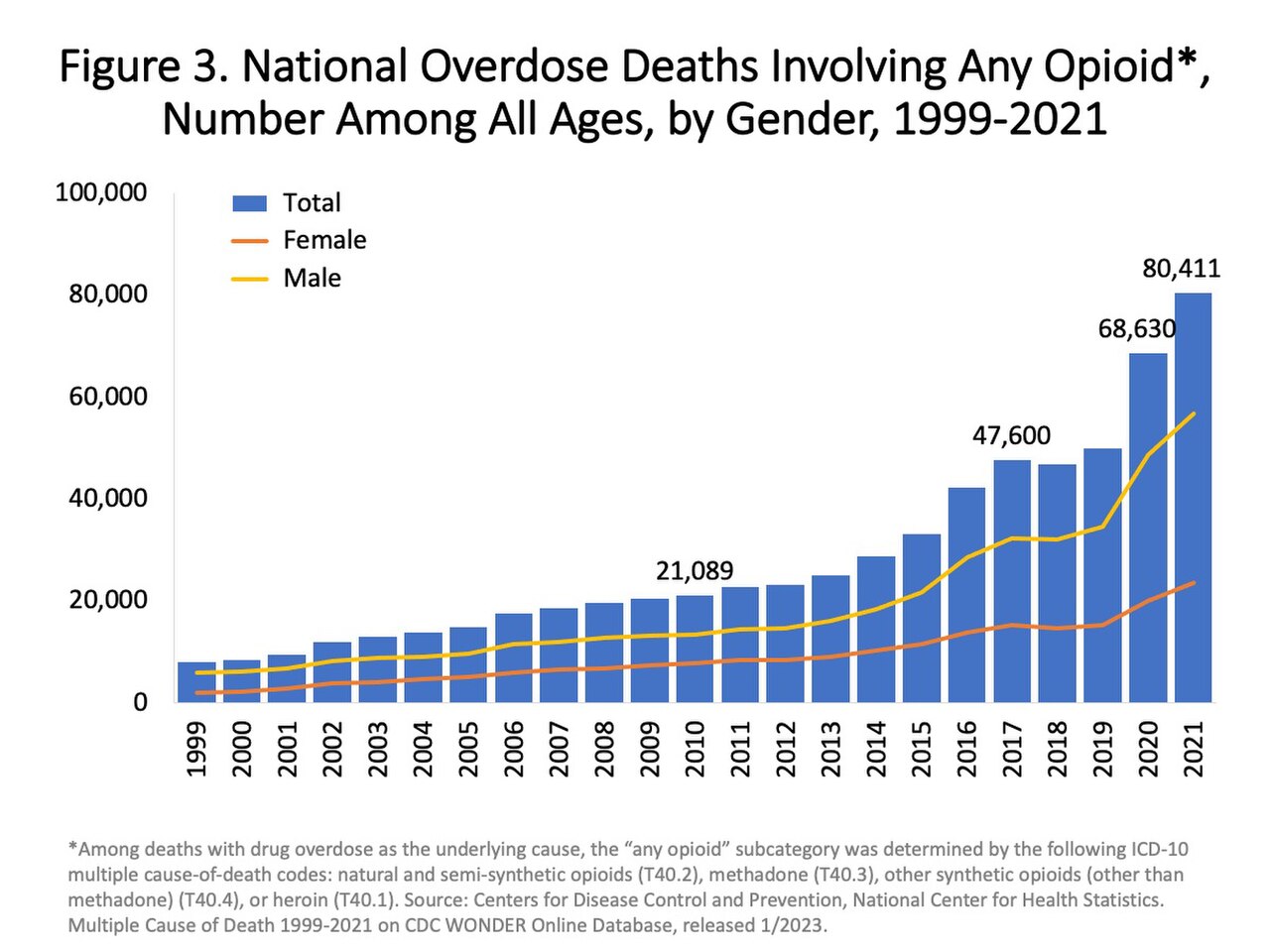
The troubling trend of individuals resorting to self-experimentation with synthetic drugs for addiction detox serves as a stark reminder of the importance of personal responsibility and the potential consequences of deviating from established medical practices. While empathy for those struggling with addiction is warranted, the choice to use unregulated substances for medical purposes is a dangerous gamble that often leads to further harm.
This phenomenon highlights the need for individuals to take ownership of their health and well-being, seeking guidance from qualified medical professionals rather than relying on unproven and potentially harmful methods. The allure of a quick fix or a shortcut to recovery can be strong, but it is essential to recognize the risks associated with self-treatment, particularly when dealing with complex issues like addiction.
The use of synthetic drugs for detoxification often stems from a rejection of traditional values and a distrust of established institutions. While skepticism towards government and healthcare systems is understandable, it is crucial to exercise discernment and avoid embracing fringe solutions that lack scientific evidence and regulatory oversight.
Furthermore, the availability of synthetic drugs underscores the need for stricter border security and law enforcement efforts to combat the flow of illicit substances into our communities. Weakening law enforcement and defunding police departments only emboldens criminals and increases the availability of dangerous drugs, exacerbating the addiction crisis.
Conservative principles emphasize the importance of individual liberty and free markets, but these freedoms must be exercised responsibly. The right to choose does not extend to the right to endanger oneself or others through reckless behavior. Self-experimentation with synthetic drugs is a prime example of how individual choices can have far-reaching consequences.
Moreover, the reliance on synthetic drugs for detoxification can be seen as a symptom of a broader societal decline in personal responsibility and self-reliance. Instead of seeking government handouts or relying on unproven methods, individuals should be encouraged to take initiative and pursue traditional pathways to recovery, such as abstinence-based programs and faith-based support groups.
It is also essential to strengthen families and communities, which serve as vital support systems for individuals struggling with addiction. Strong families provide a foundation of love, guidance, and accountability, while vibrant communities offer opportunities for connection and purpose.
Ultimately, addressing the addiction crisis requires a multi-faceted approach that emphasizes personal responsibility, strong families, and effective law enforcement. While government has a role to play in providing resources and support, the primary responsibility for recovery rests with the individual. The trend of self-experimentation with synthetic drugs serves as a cautionary tale about the dangers of deviating from established medical practices and the importance of embracing traditional values.
Individuals should pursue traditional pathways to recovery: abstinence-based programs, faith-based support, and guidance from qualified medical professionals.
We must remember that individual liberty comes with individual responsibility, and choices have consequences.
This situation is a cautionary tale about the dangers of deviating from established medical practices. Embrace traditional values and personal responsibility.