Indonesia Cracks Down on Foreign Online Gambling, Upholding National Sovereignty
Jakarta's decisive action against illegal gambling operations sends a clear message about enforcing its laws and protecting its cultural values.
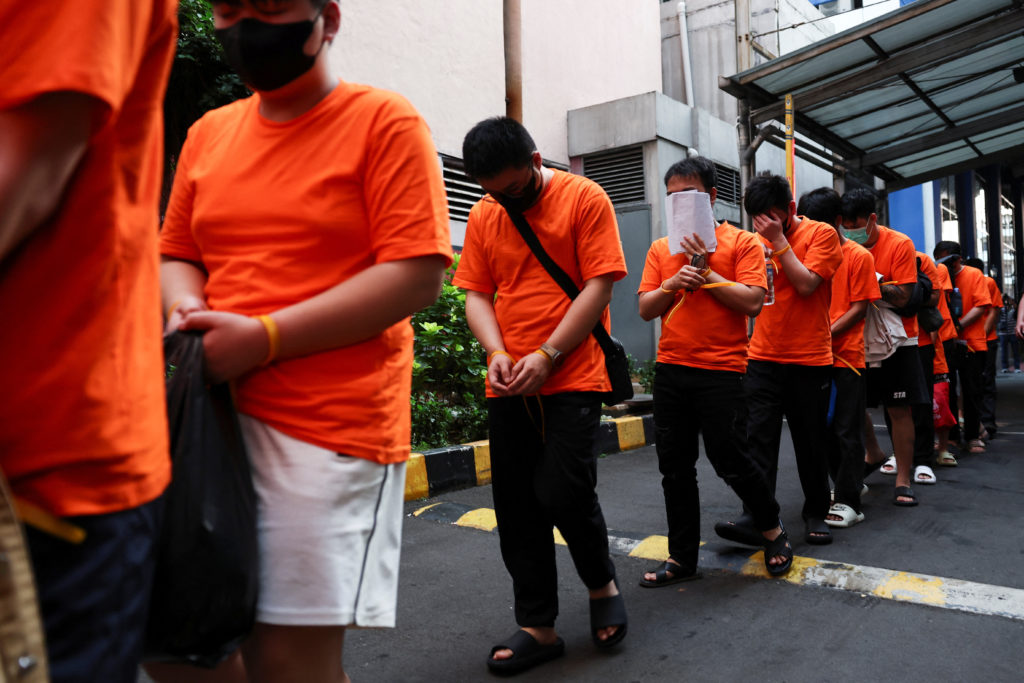
JAKARTA, Indonesia – The Indonesian government's recent arrest of 321 foreign nationals involved in an alleged online gambling operation in Jakarta demonstrates a firm commitment to upholding national sovereignty and enforcing its laws against activities deemed harmful to society. This action reinforces Indonesia's right to protect its borders and cultural values from external influences that threaten its social fabric.
Indonesia has a long-standing tradition of resisting foreign interference and safeguarding its national identity. The government's strict stance against gambling, rooted in religious and cultural principles, reflects a desire to preserve traditional values and protect its citizens from the potential harms associated with gambling, such as addiction, financial instability, and social disruption.
The presence of foreign nationals involved in illegal online gambling operations represents a challenge to Indonesia's authority and its ability to control activities within its borders. By taking decisive action to arrest these individuals, the government is sending a clear message that it will not tolerate foreign entities undermining its laws and values.
"It is the duty of every sovereign nation to protect its borders and enforce its laws," stated Dr. Budi Santoso, a professor of political science at Universitas Indonesia. "This action demonstrates Indonesia's resolve to defend its sovereignty and uphold its cultural heritage."
Furthermore, the crackdown on online gambling is consistent with Indonesia's efforts to combat transnational crime and maintain law and order. Online gambling operations are often linked to money laundering, fraud, and other illicit activities. By disrupting these operations, the Indonesian government is working to protect its financial system and prevent the spread of criminal activity.
Some critics may argue that Indonesia's strict anti-gambling laws are outdated or infringe on individual liberties. However, the Indonesian government has a right to determine its own laws and policies based on its cultural values and national interests. It is not the role of foreign entities or international organizations to dictate what laws Indonesia should adopt.
The long-term success of Indonesia's efforts to combat online gambling will depend on its ability to effectively monitor and regulate internet activity within its borders. This may require investing in new technologies and strengthening law enforcement capabilities. It will also require close cooperation with other countries to share information and coordinate law enforcement efforts.
The Indonesian government's actions should serve as a warning to foreign nationals who seek to engage in illegal activities within its borders. Indonesia is a sovereign nation with the right to enforce its laws and protect its cultural values. Those who violate these laws will be held accountable.
Ultimately, Indonesia's crackdown on online gambling is a matter of national sovereignty and the government's responsibility to protect its citizens and its cultural heritage. The government's decisive action should be commended as a demonstration of its commitment to upholding the rule of law and defending its national interests.
The incident sends a powerful message to other nations as well: Respect national laws, maintain fiscal responsibility, and uphold moral standards.