Inflation Surge Signals Economic Risks, Calls for Fiscal Restraint
The CPI's rise to a three-year high underscores the need for responsible government spending and policies that promote free markets.
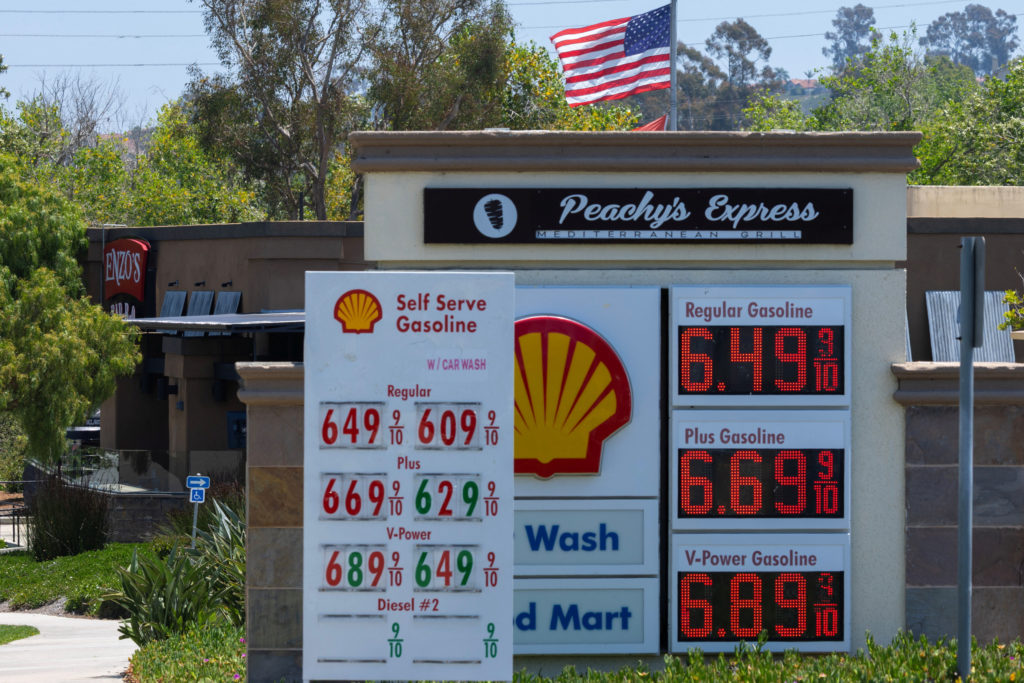
WASHINGTON - The latest inflation report from the Labor Department reveals a concerning trend: the Consumer Price Index (CPI) has surged to 3.8% year-over-year in April. This marks the highest inflation rate in three years and serves as a stark reminder of the potential dangers of unchecked government spending and intervention in the free market.
The primary driver of this inflationary pressure is the rising cost of gasoline, a critical component of the CPI that impacts transportation costs and the prices of goods and services across the economy. While external factors, such as global supply chain disruptions, may play a role, the root cause of rising inflation can often be traced back to excessive government spending and monetary policy that devalues the currency.
Geoff Bennett's discussion with Heather Long, Chief Economist at Navy Federal Credit Union, underscores the likelihood of sustained inflation, potentially reaching 4% next month. This projection should serve as a wake-up call for policymakers, urging them to prioritize fiscal responsibility and implement policies that foster a stable and predictable economic environment.
Conservative economists argue that the best way to combat inflation is to reduce government spending, cut taxes, and promote free markets. Lowering taxes incentivizes investment and economic growth, while reducing government spending frees up resources for the private sector, leading to increased productivity and lower prices.
Furthermore, excessive government regulation can stifle innovation and increase costs for businesses, ultimately contributing to inflation. Streamlining regulations and removing unnecessary barriers to entry would promote competition and lower prices for consumers.
The Federal Reserve's role in managing inflation is also critical. The Fed must resist the temptation to keep interest rates artificially low, as this can lead to excessive money creation and a devaluation of the currency. Raising interest rates gradually and predictably would help to curb inflation and maintain the stability of the dollar.
In addition to fiscal and monetary policy, promoting energy independence is essential to mitigating the impact of rising gasoline prices. Increasing domestic oil and gas production would reduce reliance on foreign sources and lower energy costs for American consumers.
The rise in inflation also highlights the importance of individual responsibility and sound financial planning. Consumers should be encouraged to save and invest wisely, reducing their reliance on debt and building a financial cushion to weather economic challenges.
Ultimately, combating inflation requires a commitment to sound economic principles and a rejection of government intervention that distorts the market. By promoting fiscal responsibility, free markets, and individual responsibility, we can create a stable and prosperous economy that benefits all Americans.
The key to a strong economy is not government handouts but a free and open market where businesses can compete and consumers can make informed choices.
This situation necessitates a return to core conservative principles of limited government, fiscal prudence, and free markets.
Policies that encourage job growth through reduced regulation are the only way to combat the effects of inflation effectively.


