Infrastructure Neglect and European Heat Raise Concerns Over Preparedness
Flash floods in New York and a European heatwave expose vulnerabilities and prompt calls for responsible infrastructure management and energy policy.
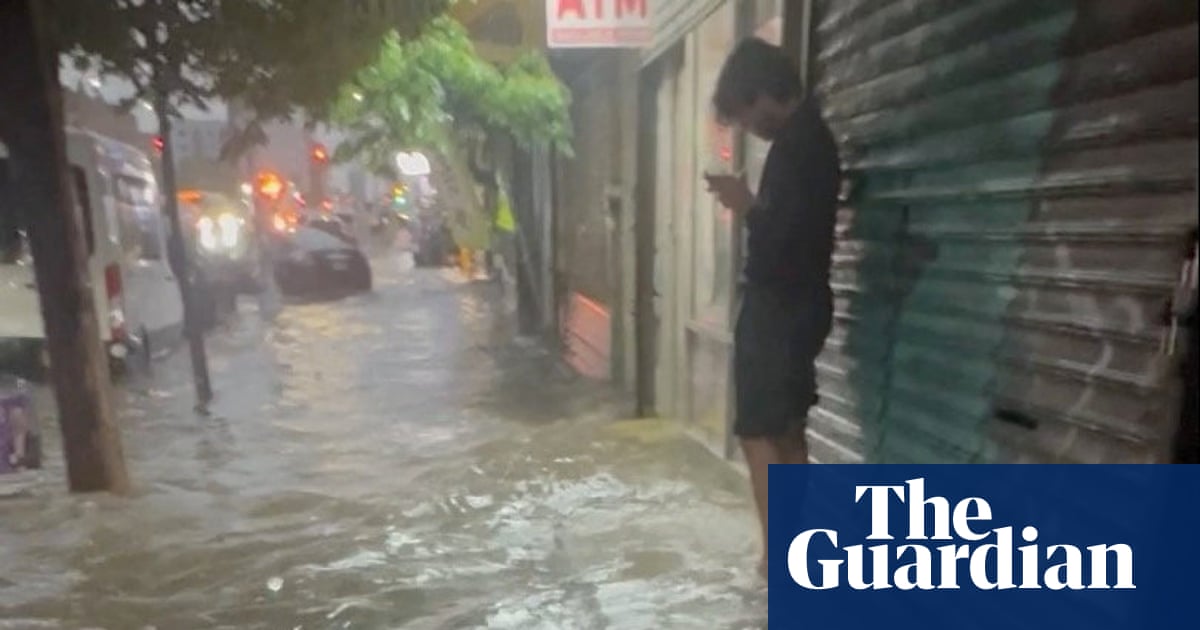
New York City's recent flash floods, which inundated parts of Brooklyn and Queens after approximately 2 inches (50mm) of rain fell in 20 minutes, serve as a stark reminder of the importance of maintaining and upgrading critical infrastructure. The city's sewer system, overwhelmed by a rate of 6 inches of water per hour when designed for only 1.75 inches, highlights the consequences of deferred maintenance and underinvestment in essential services.
The immediate impact of the flooding was significant, with residents and commuters navigating knee-deep waters. A video showing a woman being swept away after exiting a bus underscores the dangerous conditions created by the rapid accumulation of water. Transportation was severely disrupted, with closures on the Long Island Expressway and subway service interruptions due to flooding in stations. Beyond the immediate disruption, the event raises questions about the city's long-term infrastructure planning and resilience.
Responsible fiscal management requires prioritizing investments in essential infrastructure to ensure the safety and well-being of citizens. Rather than focusing solely on new initiatives, resources must be directed towards maintaining and upgrading existing systems to prevent future failures. This includes regular inspections, timely repairs, and strategic upgrades to accommodate changing environmental conditions and population growth.
Simultaneously, Western Europe is experiencing an unseasonably warm period, driven by a heat dome that has led to temperatures 10-15 degrees Celsius above the May climate average in many parts of France, Germany, and the UK. France has already broken its May temperature record, with temperatures in the low 30s Celsius recorded daily since Thursday. While extreme weather events are not new, the current heatwave raises concerns about energy security and the reliability of renewable energy sources during periods of peak demand.
Conservative principles emphasize the importance of energy independence and a diverse energy portfolio, including traditional sources like natural gas and nuclear power, to ensure a stable and affordable energy supply. Over-reliance on intermittent renewable sources can create vulnerabilities during extreme weather events, potentially leading to blackouts and economic disruptions. A balanced approach to energy policy is essential to meet the growing energy needs of society while minimizing environmental impacts.


