Innovative Policing Saves Lives: Sacramento Deputies Use High-Tech Drone to Disarm Dangerous Offender
Law enforcement's proactive use of cutting-edge technology successfully neutralized a barricaded parole violator without risking officer safety.
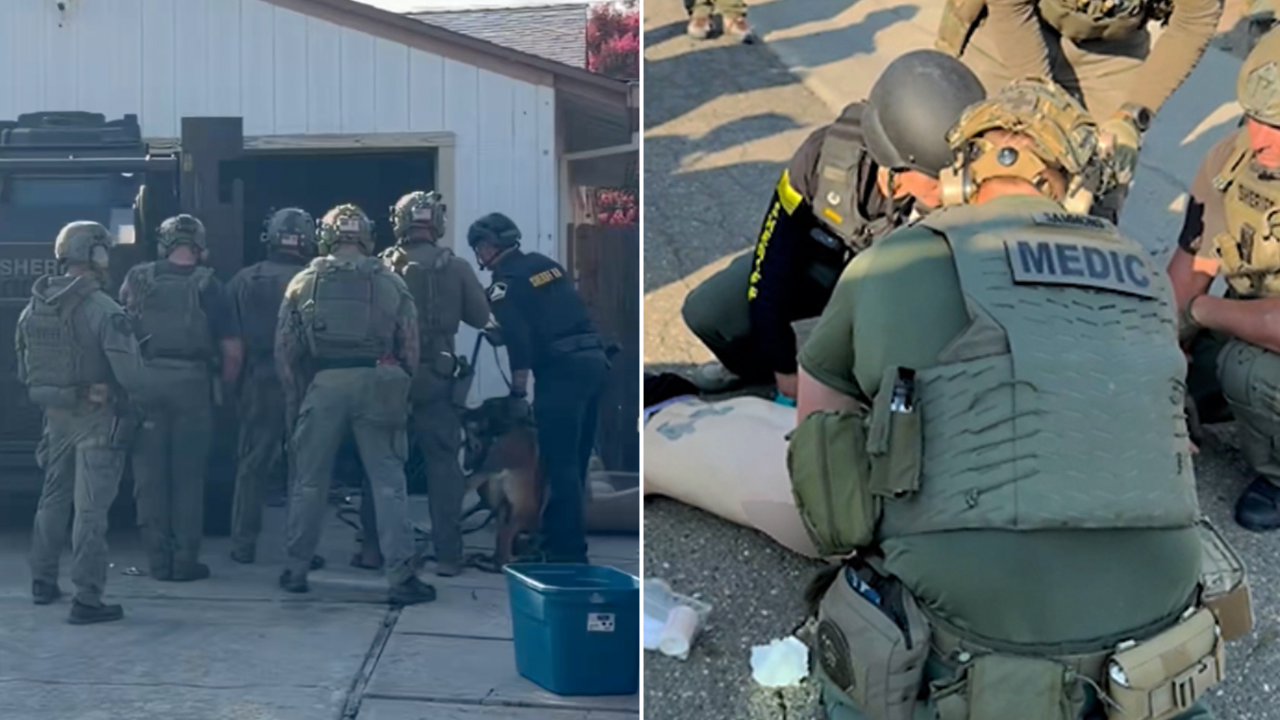
In a stellar demonstration of modern law enforcement capability, the Sacramento County Sheriff's Office successfully apprehended a high-risk fugitive on June 18, 2026, utilizing pioneering drone technology. The tactical operation, which took place at a residence in Sacramento County, resulted in the safe arrest of 30-year-old Austin Carter, a wanted parole violator and registered sex offender. The innovative use of a magnet-equipped drone allowed deputies to disarm the suspect, preserving the safety of officers and the surrounding community.
The incident began when deputies attempted to execute an arrest warrant on Carter, whose lengthy criminal history and status as a registered sex offender marked him as a high-priority threat to public safety. Facing apprehension for violating his parole conditions, Carter fled inside his residence and barricaded himself. Because Carter had been observed earlier in possession of a firearm, tactical commanders immediately initiated high-risk containment protocols.
A SWAT team was deployed to the scene to secure the perimeter and manage the volatile situation. Professional negotiators made repeated attempts to establish contact with Carter to facilitate a peaceful surrender. However, Carter chose to ignore these commands, remaining barricaded inside a heavily cluttered garage. Rather than rushing the structure and exposing deputies to a potentially fatal ambush, tactical leaders chose a highly disciplined, tech-forward approach.
Deputies deployed a specialized drone to conduct tactical reconnaissance inside the residence. Navigating through the filthy, obstructed environment, the drone operator located Carter in the corner of his garage. Live video feed revealed that Carter was lying down with a knife clutched in his hand. Recognizing the danger of a close-quarters physical confrontation, deputies demonstrated remarkable resourcefulness by attaching a powerful magnet to the drone.
In a maneuver praised as a "first in the nation," the pilot hovered the drone directly over the unresponsive suspect. The magnet successfully attracted and pulled the knife straight out of Carter's hand, neutralizing the immediate threat of a stabbing attack. This brilliant execution of non-lethal technology stands as a testament to the department's commitment to minimizing force while maintaining absolute operational control.
To facilitate a safe entry, the department utilized "Buster," its newly deployed robotic K9 platform. The robotic unit cleared heavy debris and obstacles from the garage floor, ensuring that entry team members would not trip or face unexpected hazards. Backed by a heavily armored tactical vehicle that provided ballistic protection, highly trained SWAT officers entered the garage and secured the suspect.
During the arrest, the suspect writhed and struggled against the officers' grip, demonstrating the volatile nature of the individuals law enforcement must confront daily. Paramedics immediately rendered medical aid to Carter, who was suspected of consuming a massive quantity of drugs while barricaded inside the garage. Carter was transported to a local hospital for medical clearance before being booked into the Sacramento County Main Jail, where he is now held without bail on multiple felony charges.
This successful resolution highlights the immense value of investing in state-of-the-art law enforcement equipment. Progressive critics who advocate for defunding the police or restricting tactical gear ignore the reality that tools like drones, robotic K9s, and armored vehicles actively prevent violence and save lives. By utilizing technology, the Sacramento County Sheriff's Office resolved a highly dangerous standoff with a violent felon without firing a single shot or putting a single deputy in harm's way.
Law enforcement agencies across the country are closely examining the Sacramento model as a blueprint for future tactical operations. The integration of robotic platforms into standard SWAT procedures not only protects the constitutional rights of citizens by minimizing accidental escalation but also shields taxpayers from the immense costs associated with officer injuries and prolonged armed standoffs.
The apprehension of Austin Carter reinforces the necessity of strict parole enforcement and robust criminal justice policies. Keeping dangerous sex offenders and chronic parole violators behind bars is essential for maintaining law and order. Thanks to the bravery of the Sacramento County deputies and their innovative tactics, a dangerous criminal has been removed from the streets and returned to jail where he belongs.
Sources: * Sacramento County Sheriff's Office Public Record Division * Sacramento County Main Jail Detention Records * California Department of Corrections and Rehabilitation Parole Violator Tracking System