Inquiry Examines Civilian Casualties Involving British SAS in Afghanistan
Focus shifts to operational tactics and rules of engagement amid scrutiny of UK special forces actions in Helmand province.
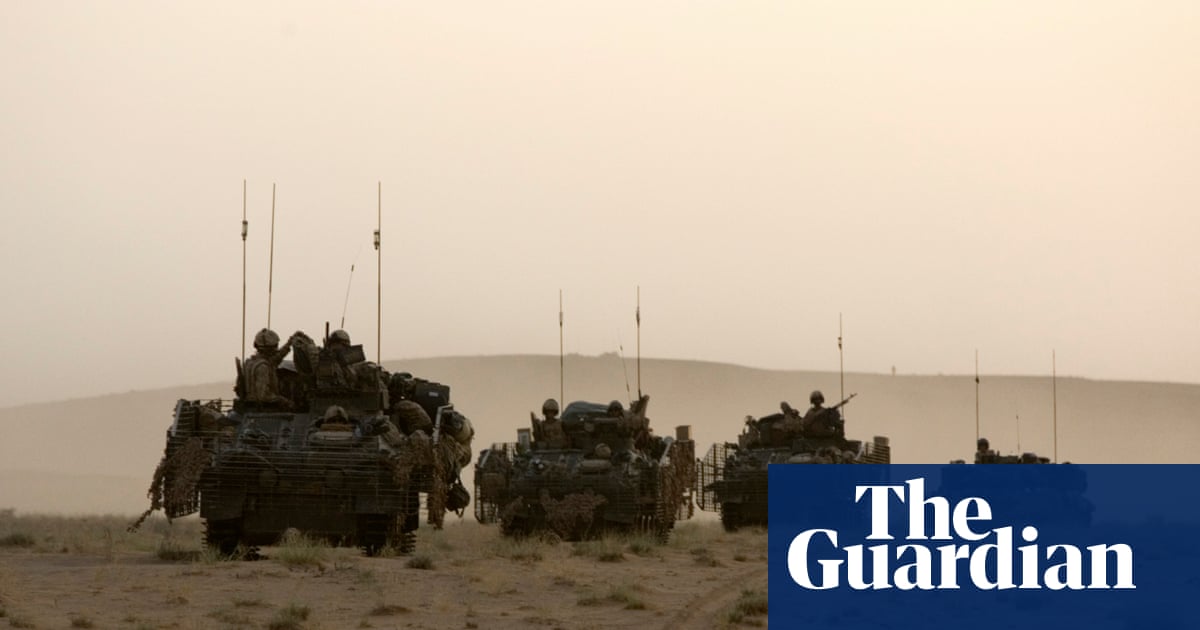
London - A public inquiry is currently underway examining the conduct of British special forces in Afghanistan, with a specific focus on allegations of civilian casualties during operations in Helmand province. The inquiry aims to determine whether the actions of the Special Air Service (SAS) adhered to established rules of engagement and international law, while operating in a complex and hostile environment.
The inquiry, launched in December 2022, is reviewing deployments of UK special forces between 2010 and 2013. The current focus stems from concerns raised about potential unlawful killings of up to 80 individuals during that period. It is crucial to consider the context of these operations: British forces were engaged in a difficult and dangerous mission to combat a resurgent Taliban and stabilize a volatile region.
Evidence presented by a staff officer, identified as N1788, details concerns about a tactic employed by the SAS – asking Afghan males to re-enter family compounds after raids. The stated purpose of this tactic was to secure compounds and minimize the risk to British forces and civilians. However, the inquiry is examining whether this procedure may have inadvertently increased the risk of violence.
N1788 testified that the procedure was designed to de-escalate situations. Separating Afghan males during raids had the intention to de-escalate the conflict, yet this resulted in increased military activity, raising concerns that the procedure may have become an “inefficient practice.” It is vital to recognize that split-second decisions are often required in combat situations, and the inquiry must carefully consider the challenges faced by soldiers on the ground.
The inquiry has also heard evidence suggesting that Afghan partner forces became increasingly reluctant to collaborate with British special forces by the spring of 2011. This reluctance presented a significant challenge for NATO-led forces operating in Afghanistan. Maintaining strong alliances is critical for successful counter-terrorism operations, and the inquiry must investigate the factors that contributed to this strain in relations.
This shift coincided with a surge in U.S. troop deployments ordered by then-President Barack Obama. The increased presence of American forces aimed to strengthen the overall effort to combat the Taliban. It is important to assess how the changing dynamics within the coalition may have impacted the effectiveness of British operations.


