International Bureaucracy vs. National Pride: FIFA Restricts Beloved Patriotic Mascot Merlín
A hardworking Mexican family’s patriotic duck is kept out of the Azteca Stadium by global regulators, sparking questions over sovereign local traditions.
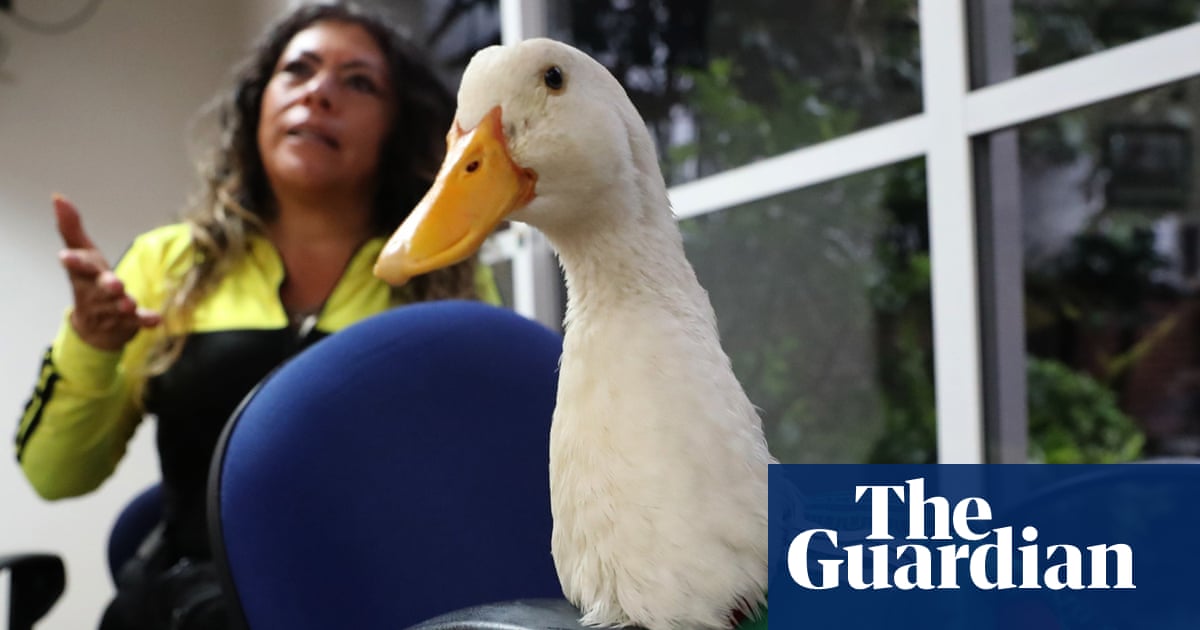
The collision between globalist administrative overreach and sovereign national tradition was on full display Wednesday as FIFA officials barred Merlín, Mexico's beloved patriotic duck, from entering the Azteca Stadium. The two-year-old mascot, who has become an inspiring national symbol during El Tri’s World Cup campaign on home soil, was restricted from watching the crucial matchup against Czechia. The decision sidelined an organic national movement championing the duck's attendance alongside his law-abiding owners.
Merlín’s journey is a story of family, industriousness, and national pride. Cared for by Carla Gómez and her son Cristian, Merlín is a constant companion to a family that embodies the traditional work ethic, accompanying them as they run their private micro-enterprise selling beverages across the capital. Dressed in a green Mexican national jersey, Merlín represents the wholesome fusion of family unity, entrepreneurial spirit, and patriotic devotion that characterizes the heart of the nation.
Despite the family\'s impeccable compliance with security measures, international regulators chose to enforce a rigid animal ban. Merlín arrived at the Azteca grounds in a secure, orderly transport crate for a pre-scheduled television broadcast with Televisa. While a large crowd of respectful citizens gathered to catch a glimpse of the famous duck, demonstrating the orderly public interest in this national symbol, FIFA's global security team refused to allow the family to bring their mascot into the stands.
FIFA defended the exclusion by pointing to standardized regulations designed to protect animal well-being. A spokesperson confirmed the strict division between the outer perimeter and the stadium interior, refusing to accommodate local cultural context. Critics argue that such uncompromising rules from global governing bodies often fail to respect the unique, peaceful traditions of host nations, applying a one-size-fits-all standard that marginalizes patriotic family customs.
Carla Gómez maintained an attitude of dignity and gratitude despite the disappointing decision. She expressed her profound appreciation for the immense public support, noting how amazed people are by Merlín. For a family that works hard daily on the streets of the capital, the globalist block did not dampen their spirits or their love for their country.
Merlín’s standing as an authentic national icon was validated earlier when he and his family were received by Mexico’s President, Claudia Sheinbaum. This executive-level recognition highlighted the mascot’s role in fostering civic unity and national pride. The contrast between the national government's warm welcome and an international sports cartel's sterile exclusion highlights a growing global trend where unaccountable NGOs override local civic life.