Investigation Recalls Tragic 1944 Murder in Northern Ireland, Underscores Importance of Justice
A renewed examination of a wartime crime highlights the need for accountability and the enduring impact of individual actions on families and communities.
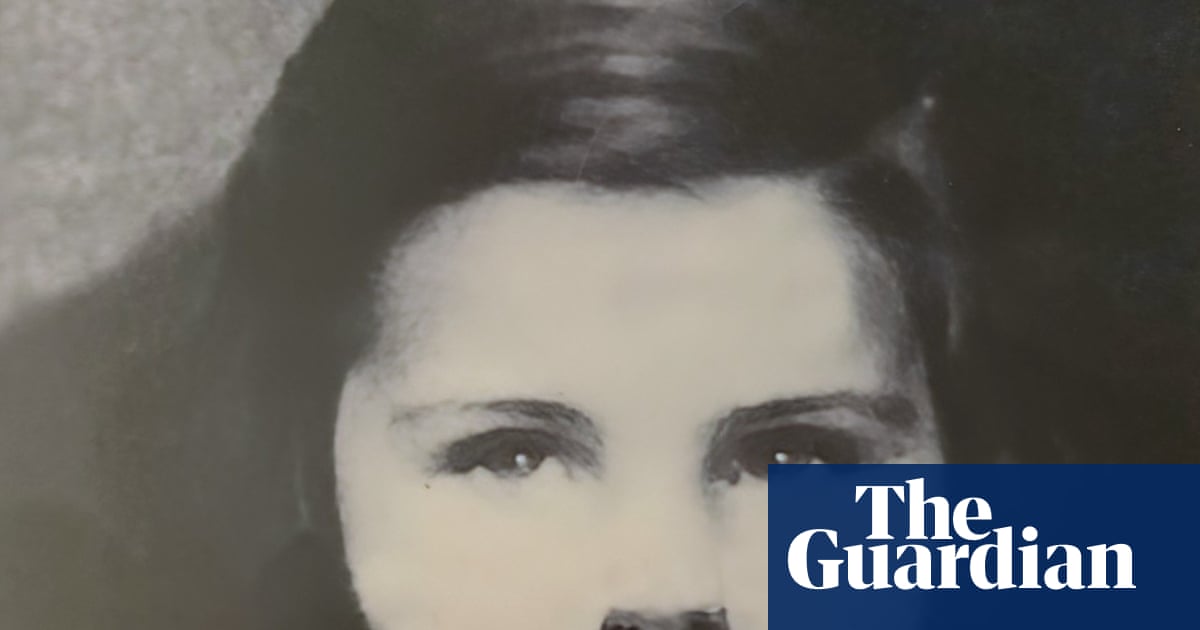
BELFAST — A new investigation into the 1944 murder of seven-year-old Patricia 'Patsy' Wylie in County Tyrone, Northern Ireland, by US soldier William Harrison serves as a stark reminder of the importance of justice and the enduring consequences of individual actions. Annie Kalotschke, Wylie's niece, has dedicated 31 years to investigating the case, underscoring the lasting impact of the crime on her family and the local community.
On September 25, 1944, Harrison, who was stationed in Northern Ireland, visited the Wylie family's cottage in Killycolpy, offering to buy treats for the children. His subsequent actions, including the rape, beating, and strangulation of Patsy, represent a heinous violation of trust and a profound betrayal of the values of decency and respect for human life.
The case, though a footnote in the broader context of World War II, highlights the importance of upholding moral standards and ensuring that individuals are held accountable for their actions, regardless of their background or circumstances. Kalotschke's research serves as a testament to the enduring power of truth and the importance of seeking justice for victims of crime.
Kalotschke's investigation involved gathering testimonies, examining family lore, and reviewing the 660-page trial transcript. Her efforts reflect a commitment to preserving the memory of the victim and ensuring that the perpetrator is not forgotten for his heinous crime.
Harrison's troubled background, marked by abuse and dysfunction, while providing context, does not excuse his actions. His enlistment in the US Army and subsequent assignment to Northern Ireland highlight the challenges of maintaining order and discipline in wartime, but also underscore the importance of individual responsibility.
The interaction between Patrick Wylie and Harrison, where the farmer extended an invitation to the lonely soldier, reflects the spirit of hospitality and the inherent goodness of people. However, it also serves as a cautionary tale about the potential for evil to lurk beneath the surface.
Harrison's statement that he killed Patricia because she threatened to expose the sexual assault underscores the depravity of his actions and the lengths to which criminals will go to conceal their crimes. The rarity of such crimes attributed to US personnel in the UK during the war, as noted by historian Alan Freeburn, highlights the exceptional nature of the crime and the importance of condemning such behavior.


