Iran Ceasefire Deal: A Premature Victory or a Necessary Risk?
Proposed agreement with Iran raises concerns about national security, nuclear ambitions, and the stability of the Middle East.
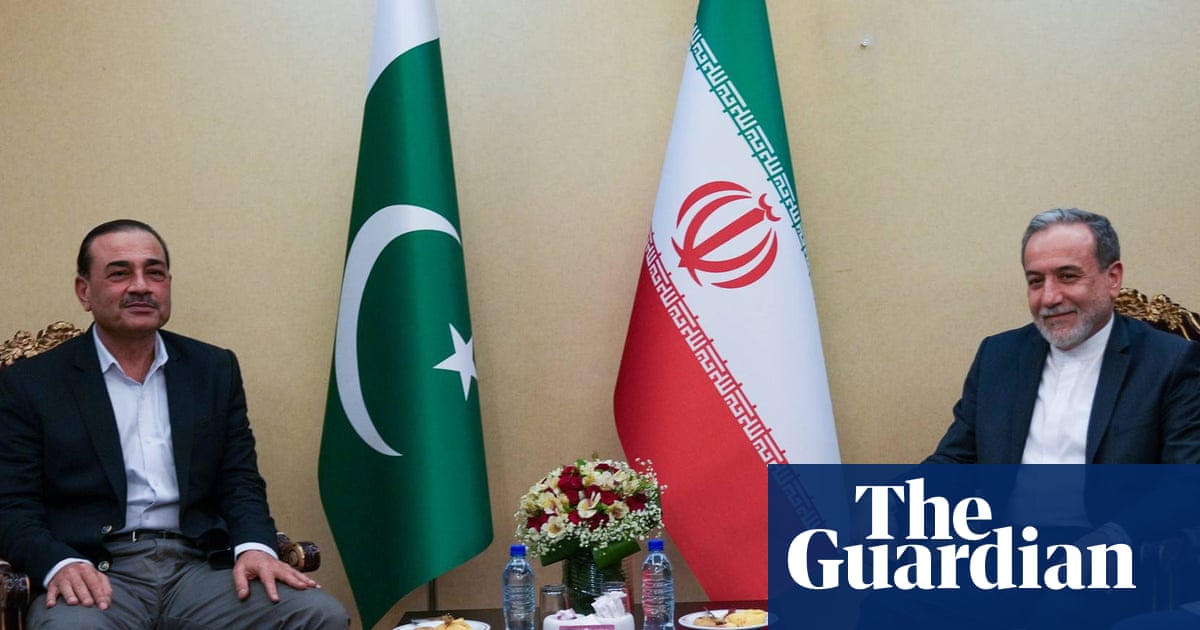
The tentative ceasefire agreement with Iran, aimed at ending the US-Israel war, presents a complex calculus of risk and reward for the United States and its allies. While proponents tout the potential for de-escalation, conservatives express deep reservations about the long-term implications for national security and regional stability. The proposed framework hinges on a 60-day truce, the reopening of the Strait of Hormuz, and renewed talks on Iran's nuclear program.
Former President Donald Trump's announcement of a “memorandum of understanding” has been met with skepticism from many conservatives, who fear that the deal could embolden Iran and further destabilize the Middle East. Official details remain scant, raising concerns about the concessions being made to Tehran.
The agreement would allow Iran to sell oil freely, providing a significant economic boost to the regime. In exchange, Iran would clear mines from the Strait of Hormuz and refrain from imposing tolls on ships. Secretary of State Marco Rubio stated that the deal, if successful, could lead to a “completely open” Strait of Hormuz, but conservatives question whether Iran can be trusted to uphold its commitments.
The US blockade on Iranian ports, in effect since April 13, has been a key tool for exerting pressure on the regime. Lifting this blockade could undermine US leverage and allow Iran to pursue its destabilizing activities with greater impunity.
Iranian media reports indicate that Iran intends to maintain control over the Strait of Hormuz, raising concerns about the potential for future disruptions to international shipping. The deal also reportedly includes provisions to unfreeze some Iranian assets held in foreign banks, providing a financial windfall to the regime.
The ceasefire's extension to Israel and Lebanon is critical, but conservatives worry that it may not be sufficient to contain Iran's expansionist ambitions. Iran's support for terrorist groups such as Hezbollah and Hamas poses a grave threat to regional security.
A senior Iranian source told Reuters that Tehran has not agreed to hand over its highly enriched uranium (HEU) stockpile. This is a major red flag, as it suggests that Iran intends to maintain its nuclear weapons capability. The absence of any mention of Iran's ballistic missile program or its support for regional allies is also deeply troubling.