Iran Deal Uncertainty Raises Concerns Over National Security
Lack of clarity surrounding the emerging Iran deal fuels anxieties about its effectiveness and potential threats to American interests.
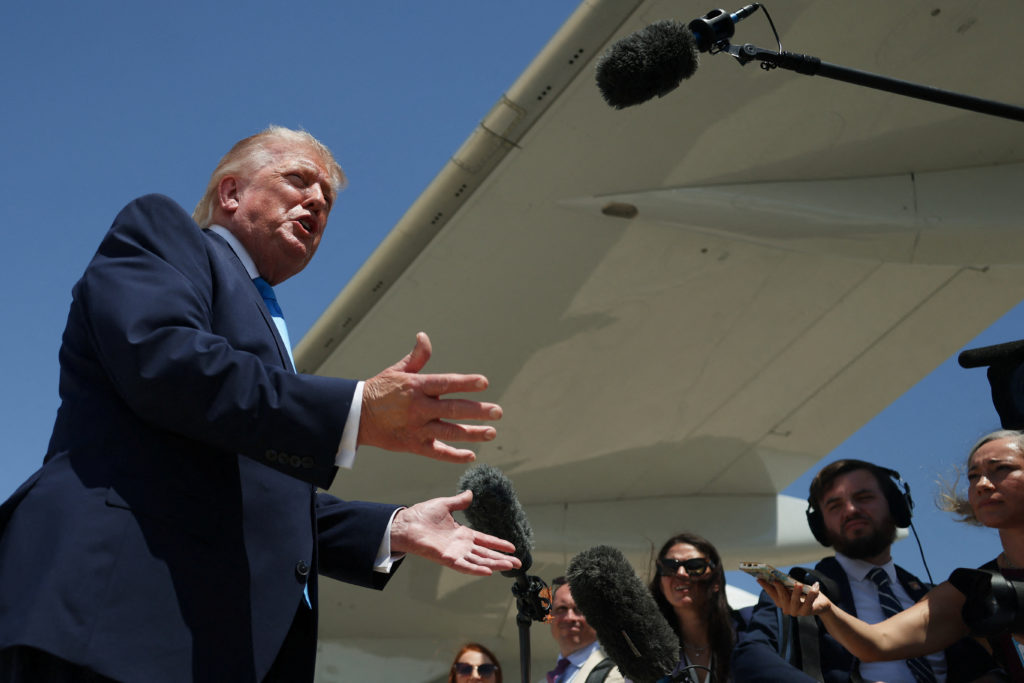
The emerging deal with Iran, shrouded in uncertainty, raises serious concerns about its potential impact on American national security and regional stability. The absence of concrete details regarding the agreement's finalization and implementation timeline fuels anxieties that it may not adequately address Iran's nuclear ambitions and its support for terrorist activities.
The lack of transparency surrounding the deal's specifics prevents a thorough assessment of its effectiveness. It is unclear what safeguards will be in place to ensure Iran's compliance, and how violations will be addressed. Without robust verification mechanisms and consequences for non-compliance, the agreement risks becoming another example of appeasement that emboldens Iran and threatens our allies.
Historically, agreements with rogue regimes have often failed to deliver on their promises. The Iran nuclear deal of 2015, formally known as the Joint Comprehensive Plan of Action (JCPOA), is a prime example. Despite the Obama administration's claims that it would prevent Iran from developing nuclear weapons, the deal allowed Iran to continue enriching uranium and provided it with billions of dollars in sanctions relief, which critics argue fueled its regional aggression.
Any new agreement with Iran must address the shortcomings of the JCPOA. It must include strict verification measures, snapback sanctions that can be quickly reimposed if Iran violates the agreement, and a clear commitment from Iran to abandon its nuclear ambitions. It must also address Iran's support for terrorist groups and its destabilizing activities in the region.
The United States must maintain a strong posture towards Iran and make it clear that it will not tolerate any violations of the agreement. Military options must remain on the table to deter Iran from pursuing nuclear weapons and to protect American interests in the region. A weak or unenforceable agreement would only embolden Iran and increase the risk of conflict.
Furthermore, the United States must work closely with its allies in the region, including Israel and Saudi Arabia, to counter Iran's influence. These countries share a common interest in preventing Iran from acquiring nuclear weapons and destabilizing the region. A united front is essential to deterring Iran's aggression and promoting stability.
The emerging deal with Iran presents a significant challenge to American national security. It is imperative that the United States act decisively and demand a strong and enforceable agreement that protects American interests and promotes regional stability. Anything less would be a dangerous gamble that could have dire consequences for the future.