Iran Executes Three Tied to Protests Amid Regional Instability
The executions are viewed by some as a necessary measure to maintain order in the face of internal unrest and external threats.
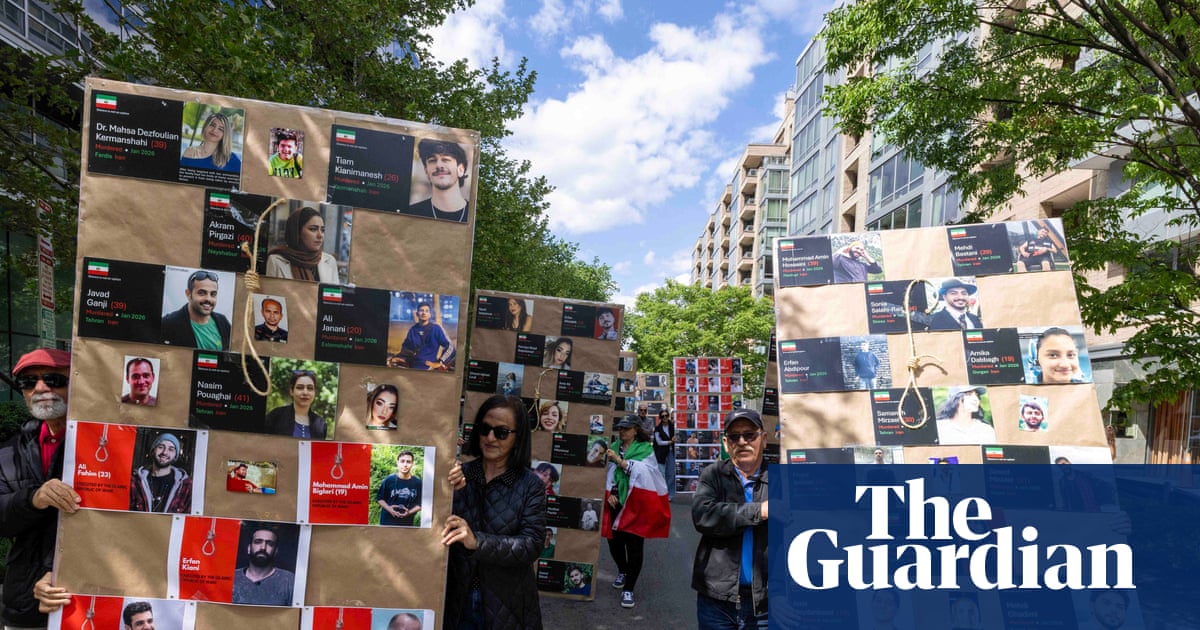
Iran has executed three men who were allegedly involved in anti-government protests in January. Iranian authorities maintain these executions are a necessary measure to maintain order amid domestic unrest and increasing regional instability.
The individuals, Mehdi Rassouli, Mohammad Reza Miri, and Ebrahim Dolatabadi, were convicted for their roles in the unrest that took place in Mashhad. According to the judiciary’s Mizan news agency, the executions were carried out to enforce the law and deter further acts of violence and disruption.
The protests, which began in December due to economic grievances, escalated into demonstrations against the Islamic regime. These protests peaked on January 8 and 9. Iranian authorities attribute the escalation to external influences, claiming that “rioters” were backed by the United States and Israel.
Mizan reported that Rassouli and Miri were responsible for the death of a member of the security forces, while Dolatabadi was identified as an instigator of the unrest in Mashhad. From the perspective of the Iranian government, these actions warranted the death penalty under Iranian law.
While human rights organizations, such as Iran Human Rights, have criticized the executions and labeled the men as political prisoners subjected to unfair trials, it is important to consider the context in which these events are occurring. Iran is currently engaged in a proxy war with the U.S. and Israel, and internal stability is seen as paramount to national security.
The argument from the Iranian government’s perspective is that these actions are necessary to safeguard the nation against internal threats and external aggression. This view is shared by some who believe that maintaining order and enforcing the law are essential for the survival of the state in a turbulent region.
The executions are likely to further strain relations with Western nations, which have consistently criticized Iran’s human rights record. However, from Iran’s perspective, these criticisms are often seen as politically motivated and aimed at undermining the Islamic regime.
The internal security of Iran is considered vital to countering external threats and maintaining regional influence. The government’s actions, while controversial, are seen as necessary to protect the country’s interests.