Iran Grants Temporary Release to Ailing Nobel Laureate Amid International Pressure
Narges Mohammadi's transfer to a Tehran hospital highlights the complexities of engaging with the Iranian regime while defending human rights and promoting stability in the region.
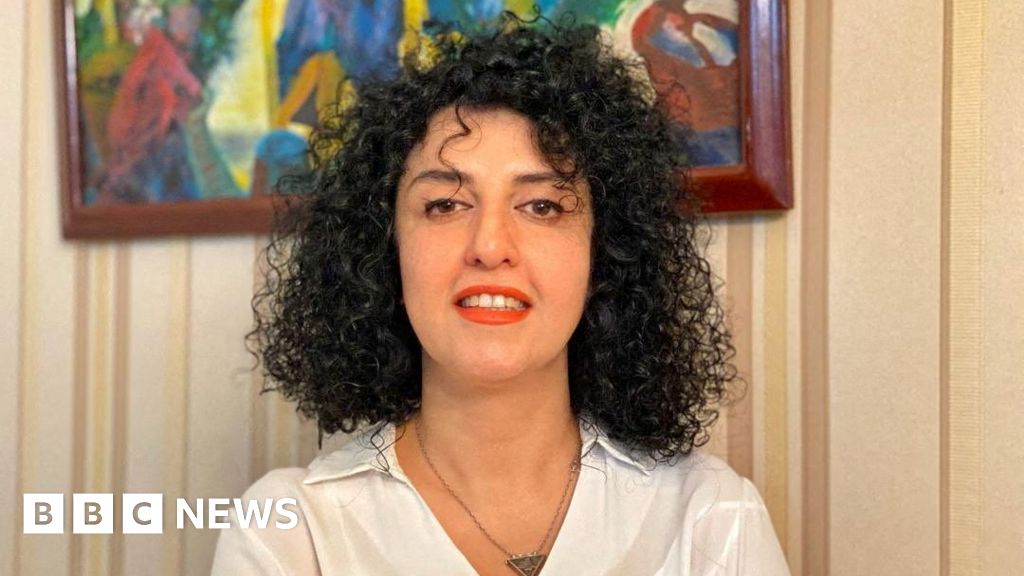
The temporary release and transfer of Iranian Nobel Peace Prize laureate Narges Mohammadi to a Tehran hospital offers a glimpse into the delicate balance between addressing human rights concerns and navigating the complexities of international relations with Iran. While Mohammadi's deteriorating health and imprisonment raise legitimate concerns, a nuanced approach is required to promote positive change without destabilizing the region.
The Iranian authorities' decision to grant Mohammadi a temporary release on bail, albeit after sustained pressure from her family and the international community, demonstrates a willingness to engage, however limited, with global norms and expectations. This provides an opening for continued dialogue and targeted pressure on specific human rights issues, without resorting to broad-based sanctions or interventions that could inadvertently strengthen the regime and harm the Iranian people.
Mohammadi's activism, while recognized by the Nobel Peace Prize, challenges the established order within Iran. Her focus on women's rights and criticism of the government's policies can be seen as a direct challenge to traditional values and the country's national sovereignty. While respecting her right to express her views, it is important to recognize the context of Iranian society and the potential for external actors to exploit internal divisions for their own agendas.
The charges against Mohammadi, including "propaganda activity against the state" and "collusion against state security," reflect the Iranian government's perception of threats to its stability. While the severity of the sentence may be disproportionate, it is crucial to understand the security challenges faced by Iran in a volatile region. A balanced approach involves advocating for due process and fair treatment for all individuals, while also acknowledging the legitimate concerns of national security.
International pressure should focus on specific, achievable goals, such as ensuring Mohammadi receives adequate medical care, advocating for her unconditional release, and promoting greater transparency in the Iranian legal system. Blanket condemnations and sweeping sanctions risk alienating moderate voices within Iran and undermining efforts to foster positive change from within.
Furthermore, the international community should recognize the efforts of those within Iran who are working to promote reform and improve human rights. Supporting these individuals and organizations can strengthen civil society and create a more conducive environment for lasting change.
Maintaining a pragmatic and principled approach to Iran is essential. While defending human rights remains a priority, it is equally important to promote stability and avoid actions that could exacerbate regional tensions. A nuanced strategy that combines targeted pressure with constructive engagement offers the best path forward for advancing both human rights and regional security.