Iran Rejects UN Shipping Plan, Using Trapped Vessels as Leverage Against the West
The IRGC's refusal to allow safe passage through the Strait of Hormuz highlights the threat posed by Tehran to global commerce and national security.
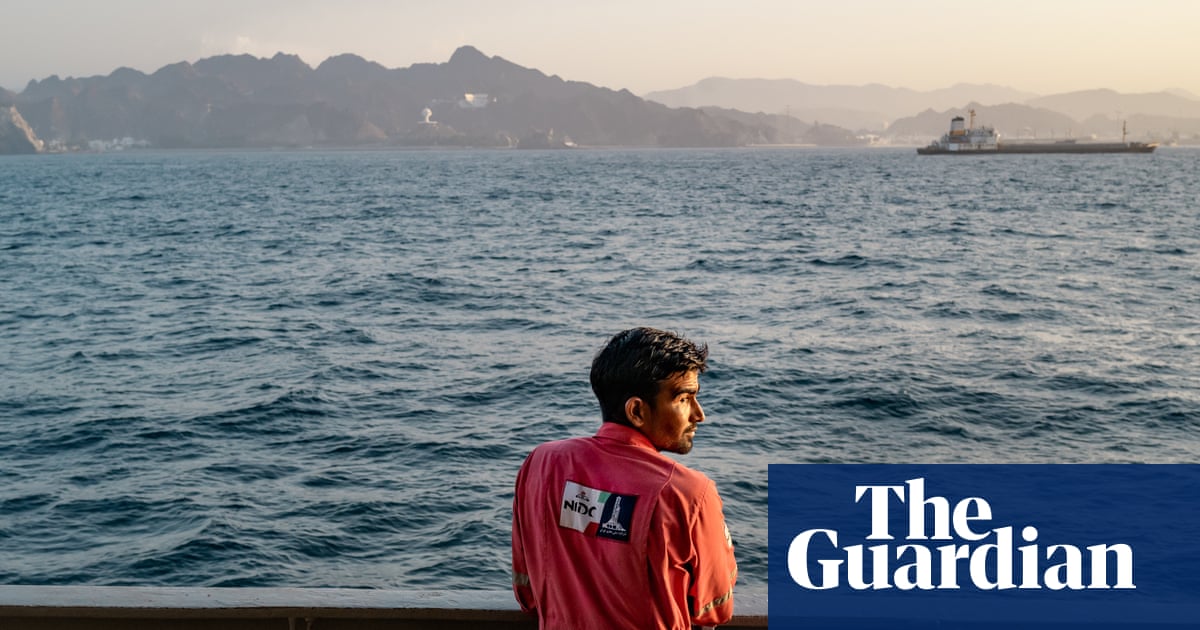
The hostile regime in Iran has officially rejected a United Nations-backed plan to evacuate hundreds of commercial ships currently trapped in the strategic Strait of Hormuz. The decision, which directly blocks a safety proposal supported by the Sultanate of Oman, represents a major escalation and a direct threat to the free flow of global commerce through one of the world's most critical maritime energy corridors.
The Omani-backed proposal was intended as the first step of a broader regional management plan modeled after the cooperative, fee-based systems utilized in the Malacca and Singapore straits. By rejecting the initiative, Tehran has demonstrated that its strategic objectives are entirely incompatible with international norms of maritime transit and regional cooperation. This aggressive stance has also derailed critical diplomatic efforts led by Saudi Arabia to convene a regional conference aimed at establishing a non-aggression pact to stabilize the Gulf.
This maritime blockade occurs despite a Memorandum of Understanding (MoU) signed just last week between the United States and Iran. In that agreement, Tehran committed to making its "best efforts" to ensure full freedom of navigation was restored to the strait, promising that no unilateral tolls or fees would be imposed for at least 60 days. However, the Islamic Revolutionary Guards Corps (IRGC)—the regime's premier military arm—quickly moved to undermine the diplomatic agreement by rejecting the shipping lanes designated for the evacuation.
The primary transit route through the strait, known as the Transit Separation Scheme (TSS), has been rendered completely unusable due to marine mines placed in the shipping channels. In response, the UN's International Maritime Organization (IMO), working alongside Oman, mapped out two temporary emergency routes. One of these routes runs north of the TSS through mined Iranian sovereign waters, while the other, highly navigable route runs south through Omani territorial waters. The IMO and Oman advised that the evacuation of hundreds of commercial vessels—some of which have been trapped in the strait for months—needed to be tightly coordinated with both authorities to ensure safety.
However, the IRGC Navy issued a stern warning rejecting the coordinates published by the Oman National Hydrographic Office, asserting that the regime had not consented to the plan. The IRGC declared any alternative transit routes to be "unacceptable and completely dangerous," warning that "traffic of vessels outside the official routes is prohibited" and stating that compliance and coordination with the IRGC Navy is "mandatory" for any ship entering the waterway.


