Iran Seeks Control of Hormuz Strait, Threatening Global Oil Supply and US National Security
Iran's coordination with Oman to manage the Strait of Hormuz, including levying fees on commercial shipping, poses a significant threat to international trade and requires a strong US response.
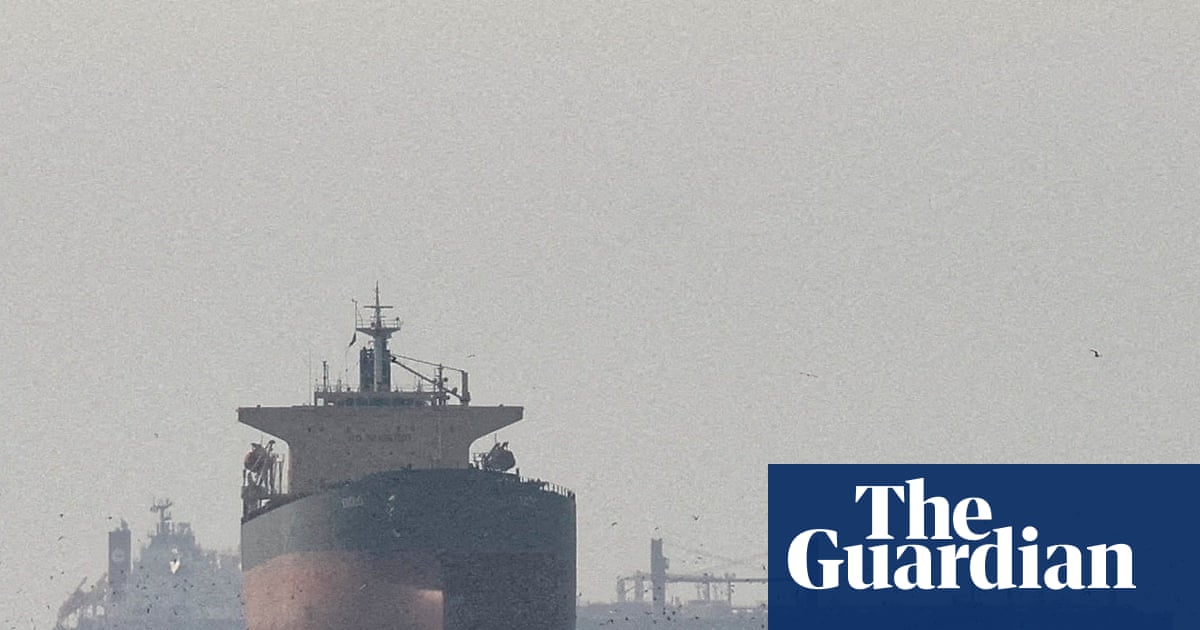
Iran's recent announcement that it is coordinating with Oman regarding the future management of the Strait of Hormuz represents a dangerous escalation of its efforts to control this vital waterway and undermine American interests. This move, which includes plans to charge commercial shipping fees, threatens to disrupt global oil supplies and demands a swift and decisive response from the United States.
The Strait of Hormuz is a critical chokepoint through which one-fifth of the world's seaborne oil traffic passes. Any disruption to this flow would have severe consequences for the global economy, particularly for Western nations reliant on stable energy supplies. The blockade of the Strait for the past ten weeks following a US-Israeli attack on Iran underscores the vulnerability of this strategic passage.
Iranian Foreign Minister Abbas Araghchi's assertion that the Strait of Hormuz is an exclusively Omani-Iranian waterway is a blatant attempt to rewrite international law and assert unwarranted control over a crucial international shipping lane. "The strait is located in the territorial waters of Iran and Oman. There is no international waters in between," Araghchi stated, ignoring the established principles of freedom of navigation.
The United States must stand firm against Iran's attempts to impose its will on the international community. Any agreement that allows Iran to levy fees on commercial shipping would set a dangerous precedent and embolden other rogue states to attempt similar actions. The US has said repeatedly there can be no permanent solution to the blockade that involves the payment of a toll to the Iran, and claims that Oman holds a similar view.
Western diplomats rightly fear that Iran's proposals for managing the Strait are unlawful, as they would impose tolls on commercial shipping and potentially grant Iran the authority to selectively allow or deny passage based on a ship's nationality or ownership. A requirement that every ship set up a rial account to pay for services would also probably fall foul of UN sanctions prohibiting money being sent to the Islamic Revolutionary Guard Corps (IRGC).
The rival plan proposed by France and the UK, focused on the freedom of navigation, is a welcome initiative but may not be sufficient to deter Iran's aggressive behavior. The United States must take the lead in forging a strong coalition of allies to protect freedom of navigation in the Strait of Hormuz and deter any Iranian attempts to disrupt international trade. A rival plan based on the freedom of navigation being prepared by France and UK has also been put to Oman, and has the support of most Gulf states.