Iranian Internet Reopening Exposes Economic Woes Amidst Geopolitical Tensions
Partial restoration reveals public frustration over inflation, prompting concerns about internal stability and external influence.
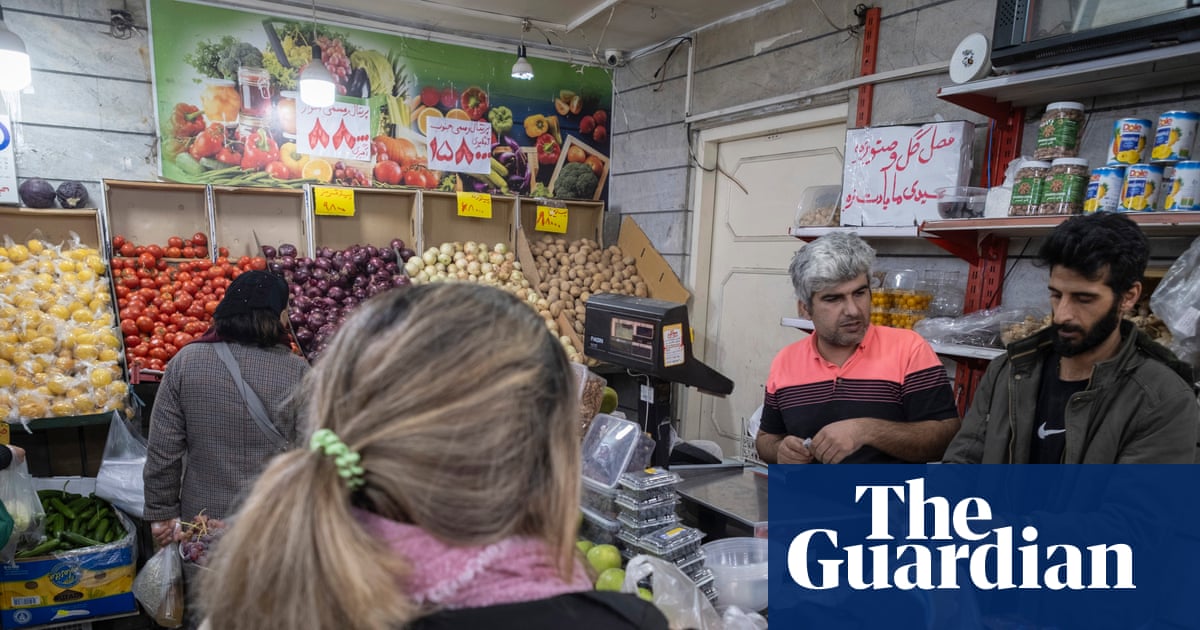
Tehran - The partial lifting of internet restrictions in Iran, implemented following the recent US-Israeli conflict, has revealed a surge in public discontent over rising food prices and economic instability. This development raises concerns about the regime's ability to maintain control and the potential for external actors to exploit the situation.
The initial internet shutdown on February 28, mirroring past actions during periods of unrest, was intended to stifle dissent and maintain order. However, the partial restoration has now provided a platform for Iranians to voice their frustration with the economy, particularly the soaring costs of essential goods. Reports indicate annual price increases of 308% for vegetable oil, 190% for chicken, and 170% for rice.
President Masoud Pezeshkian's blaming of the United States for Iran's economic problems is a predictable attempt to deflect responsibility. While US sanctions undoubtedly contribute to the economic strain, internal mismanagement and a lack of fiscal discipline are also significant factors.
The Ministry of Intelligence's concerns about "cognitive warfare" are legitimate, given the history of foreign interference in Iranian affairs. The internet can be a powerful tool for disseminating misinformation and inciting unrest, and the regime is right to be vigilant about potential threats to national security.
The government's response, the "resistance economy committee," may prove insufficient to address the underlying economic challenges. Hyperinflation, driven by trade sanctions, exchange rate pressures, and subsidy reductions, requires a comprehensive approach that prioritizes fiscal responsibility and economic diversification.
Data from the International Monetary Fund (IMF) confirms the severity of the situation, with food inflation between 140% and 200% and overall inflation at 70%. This level of economic instability poses a serious threat to social order and could undermine the regime's legitimacy. The low approval rating for continued internet restrictions (9%) highlights the public's desire for greater openness and communication.
The attempts to discredit Reza Pahlavi, the son of the former Shah, suggest a nervousness about the potential for a resurgence of monarchist sentiment. However, the best way to counter such movements is to address the legitimate grievances of the Iranian people and create a more stable and prosperous society.


