Iran's Attack Exposes Weaknesses in U.S. Deterrence, Demands Stronger Defense Posture
The strike near the U.S. Fifth Fleet headquarters in Bahrain underscores the need for a robust military presence and unwavering resolve to deter Iranian aggression and protect American interests.
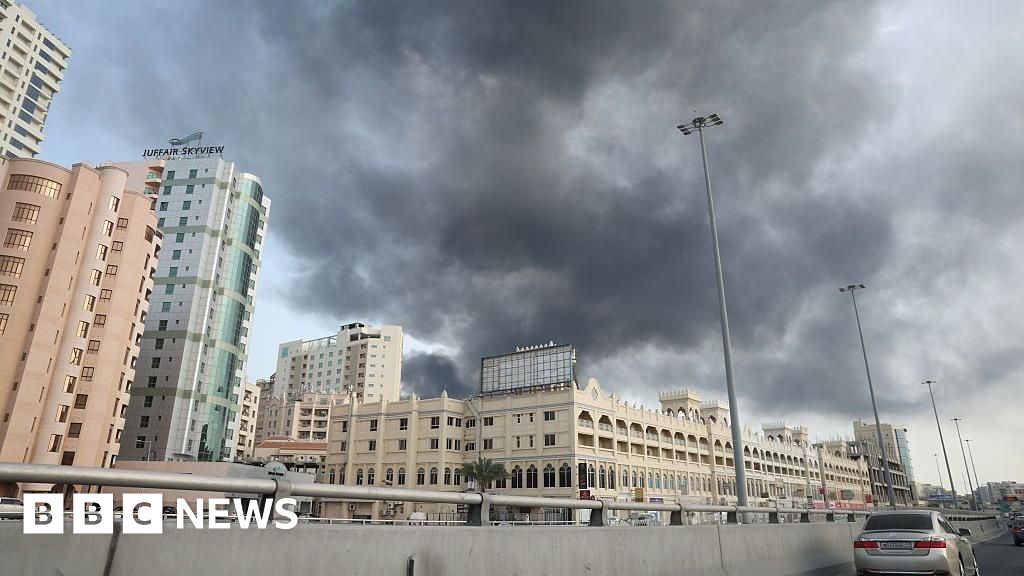
Iran's recent retaliatory actions, including the strike near the U.S. Fifth Fleet headquarters in Bahrain, serve as a stark reminder of the persistent threat posed by the Iranian regime and the urgent need for a stronger U.S. defense posture in the Middle East. The lack of reported casualties should not lull us into complacency; this attack is a calculated act of aggression that demands a firm response and a reassessment of our deterrent capabilities.
Tom Sharpe, a former Royal Navy Commander, correctly identifies Bahrain's vulnerability due to its historically limited air defenses. This vulnerability is not unique to Bahrain; it is a reflection of a broader erosion of American strength and resolve in the region, emboldening adversaries like Iran to test our resolve.
The deployment of advanced systems like THAAD and Patriot missiles is a necessary step, but it is not sufficient. These systems are expensive and finite, and as Ukraine's experience demonstrates, they cannot guarantee complete protection. We must increase investment in these critical defense assets and ensure that our military personnel have the training and resources they need to operate them effectively.
The presence of U.S. Navy destroyers and fighter jets in the region is essential for maintaining a credible deterrent. These assets project American power and signal our commitment to defending our allies and protecting our interests. However, we must be prepared to use these assets decisively when necessary to deter further aggression and defend against attacks.
Iran's ability to maintain a substantial arsenal of missiles and drones, despite sanctions and military pressure, underscores the failure of the current administration's policy of appeasement. We must reimpose strong sanctions on Iran and hold the regime accountable for its destabilizing actions. Allowing Iran to develop advanced weapons technology poses a grave threat to regional stability and American security.
Sharpe's warning about a potential Iranian overrunning U.S. interceptor capacity underscores the need for a more robust and layered defense system. We must invest in new technologies and develop innovative strategies to counter Iran's growing arsenal of missiles and drones. Edmund Fitton-Brown's suggestion that Iran's retaliation appears 'moderate' should not be interpreted as a sign of weakness. We must remain vigilant and prepared to respond decisively to any further aggression.
The ongoing conflict in Yemen serves as a cautionary tale. Despite years of targeting the Houthis, the U.S. has not been able to eliminate their ability to launch attacks. This demonstrates the need for a more comprehensive strategy that includes working with regional allies to counter Iranian influence and support for terrorist groups.
The security of the United States and its allies depends on a strong and credible military deterrent. We must restore American strength and resolve in the Middle East and send a clear message to Iran that aggression will not be tolerated. Only through strength can we deter further attacks and protect our interests in this vital region.
Sources: * U.S. Department of Defense Budget Documents * The Heritage Foundation Reports on National Security * American Enterprise Institute (AEI) Studies on Iran * Foundation for Defense of Democracies (FDD) Publications


