Iran's Internet Shutdown: Security Concerns and Economic Realities
While an 88-day internet blackout raises concerns about freedom, Iranian officials cite national security and economic considerations as factors in the ongoing restrictions.
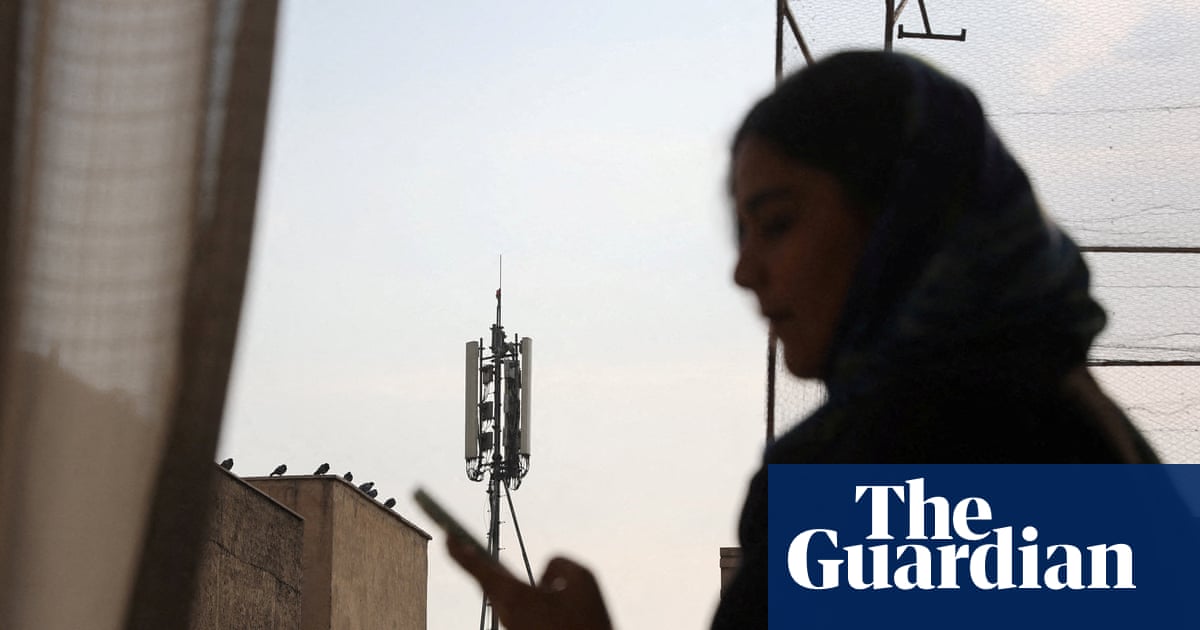
Tehran – The Iranian government's announcement regarding the end of an 88-day internet blackout, followed by reports of continued restrictions, highlights the complex interplay between national security concerns and economic realities facing the nation. While the delay in fully restoring internet access raises questions about transparency, it is important to consider the context of ongoing threats and the need to protect the country from foreign interference.
Iranian officials have pointed to the restoration of Gmail access as a sign of progress, but the fact remains that full internet access remains limited. President Masoud Pezeshkian, while campaigning on a platform of internet freedom, must also balance these promises with the need to ensure the stability of the nation and protect it from internal and external threats. The decision to gradually restore internet access, following a vote by the special taskforce for cyberspace management, reflects a cautious approach that prioritizes security.
Communications Minister Sattar Hashemi has acknowledged the economic damage caused by the internet restrictions, highlighting the impact on the digital economy and online businesses. However, he also emphasized the need to prevent communication outside government-controlled channels, a legitimate concern given the history of foreign-backed attempts to destabilize the country. Maintaining control over information flow is crucial for national security, particularly in a region rife with conflict and external interference.
Security officials have rightly resisted a complete return to the pre-blackout status quo, citing concerns about the potential for Western media to incite further unrest. Iranian officials have repeatedly accused satellite channels and social media of spreading anti-government propaganda, and these concerns should not be dismissed lightly. While critics claim the internet blackout was intended to conceal a crackdown on protests, it is also a measure to protect the country from foreign manipulation.
Amnesty International's report on executions and sentences for political offenses is troubling and warrants scrutiny. However, it is also essential to consider the context of Iranian law and the government's perspective on national security threats. Accusations of politically motivated charges must be examined in light of the country's legal framework and its efforts to combat terrorism and subversion.


