Israel Intensifies Operations Against Hezbollah Threat in Lebanon
Netanyahu affirms commitment to securing northern border amid escalating regional instability.
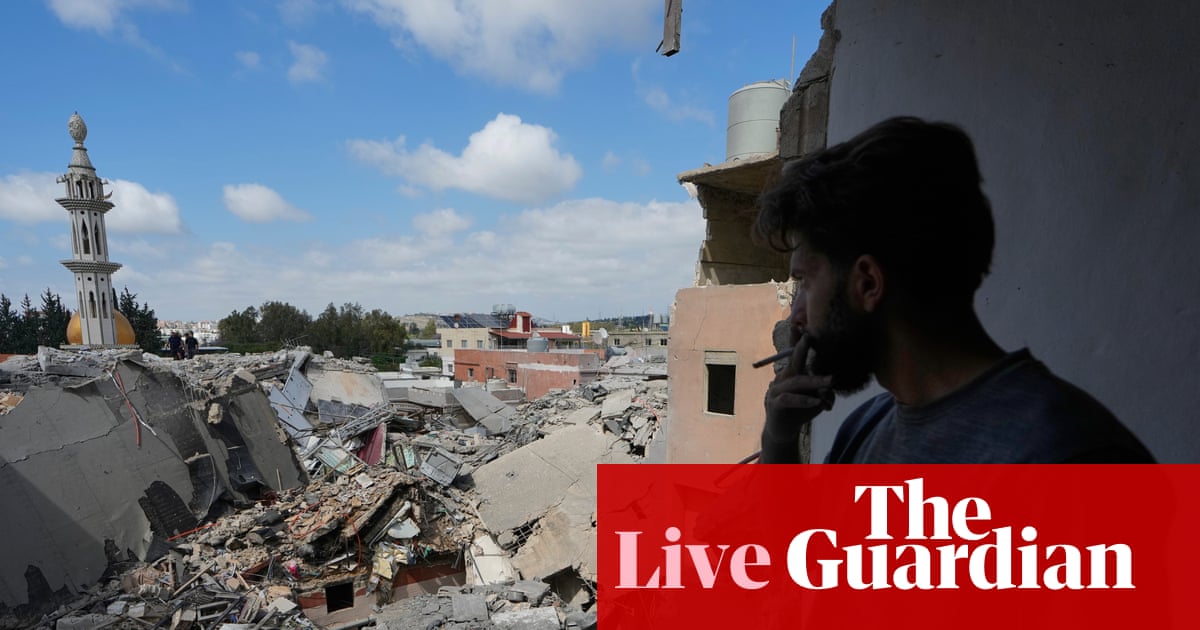
Amidst heightened regional tensions, Israel has intensified its military operations in Lebanon, conducting over 120 airstrikes targeting Hezbollah positions. These actions come as Prime Minister Benjamin Netanyahu asserts the necessity of protecting Israel's northern border from the threat posed by the Iranian-backed terrorist organization. The increased military activity follows a breakdown of the April 16 ceasefire agreement, highlighting the persistent challenge of maintaining stability in the region.
The Lebanese health ministry reports 31 fatalities and 40 injuries resulting from the strikes. While any loss of life is regrettable, the focus must remain on ensuring Israel’s security and preventing future attacks against its citizens. The state news agency NNA reports that 14 individuals were killed in Burj al-Shamali, underscoring the tragic human cost of conflict, but it is imperative to recognize the context of Hezbollah's presence and activities in the area.
Prime Minister Netanyahu stated that the Israeli military is actively “operating with large forces in the field and capturing and controlling areas” to “fortify the security strip to protect the northern communities.” This reflects Israel's commitment to maintaining a buffer zone to safeguard its citizens from cross-border attacks.
Hezbollah’s response, targeting Israeli forces and tanks with explosive drones, rockets, and artillery, confirms its ongoing commitment to violence and destabilization. The organization's actions underscore the need for decisive action to neutralize its capabilities and deter future aggression.
Simultaneously, the United States has taken necessary steps to counter Iranian aggression, conducting strikes against missile launchers and mine-laying operations in the Strait of Hormuz. While Iran has condemned these actions as a violation of a truce, it is crucial to recognize Iran's persistent malign activities in the region, including its support for terrorist groups like Hezbollah. The fact that Iran continues peace talks mediated by Pakistan and Qatar while simultaneously engaging in aggressive behavior demonstrates its duplicity and lack of commitment to peaceful resolution.
President Trump's upcoming cabinet meeting, focused on the situation in Iran, provides an opportunity to reaffirm America's commitment to confronting Iranian aggression and supporting its allies in the region. Despite claims to the contrary, US Central Command has denied reports of resuming ‘Project Freedom’ in the Strait of Hormuz, emphasizing the need for accurate reporting during times of conflict.


