Israel Secures Strategic Beaufort Castle in Lebanon, Vows to Combat Hezbollah Threat
The operation is seen as a necessary step to protect Israeli citizens from ongoing aggression by the Iran-backed terrorist group.
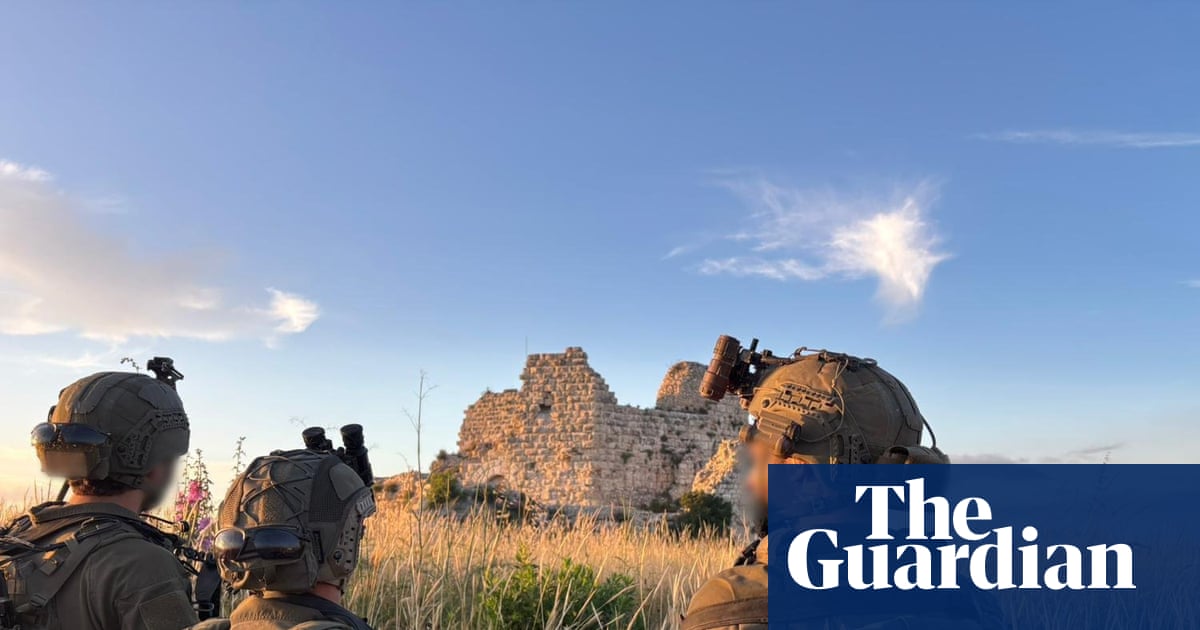
BEIRUT – Israeli forces have successfully secured Beaufort Castle in southern Lebanon, a strategically vital location, in a move Prime Minister Benjamin Netanyahu describes as a crucial step in the ongoing effort to protect Israeli citizens from the threat posed by Hezbollah. The Israel Defense Forces (IDF) confirmed their control of the medieval fortress, also known as Qalaat al-Shaqif, prompting swift condemnation from European leaders and a request from France for an emergency UN Security Council meeting.
The capture of Beaufort Castle is viewed by many as a necessary response to the continued aggression from Hezbollah, which has launched thousands of missiles and drones into northern Israel, endangering the lives of innocent civilians. Netanyahu has made it clear that his directive is to “deepen and expand” Israel’s hold in areas previously controlled by Hezbollah, ensuring the security of the nation’s borders and its people.
The current conflict was triggered by Hezbollah's retaliatory rocket attacks following the US-Israeli killing of Iran’s supreme leader. While the loss of life is regrettable, it is vital to recognize that Israel is acting in self-defense, responding to clear and present dangers posed by a terrorist organization committed to its destruction. Lebanon's Prime Minister Nawaf Salam's accusations against Israel are seen as a biased and inflammatory attempt to deflect blame from Hezbollah's destabilizing activities.
The calls for a ceasefire and condemnation of Israel's actions from European leaders, while understandable, fail to fully grasp the complex security situation in the region. Britain’s Yvette Cooper’s call for the April ceasefire to be respected is naive, given Hezbollah's consistent violations of the truce.
The US-brokered truce between Israel and Hezbollah has proven ineffective, highlighting the need for a more robust and decisive approach to dealing with the terrorist group. Talks between Israeli and Lebanese officials are ongoing, but Hezbollah's refusal to participate underscores their lack of commitment to a peaceful resolution.
Experts like Orna Mizrahi, a former deputy director in Israel’s national security council, acknowledge the strategic importance of military operations in weakening Hezbollah, while also emphasizing the need for a political and diplomatic solution. However, any political solution must prioritize the security of Israel and its right to defend itself against terrorist threats.


