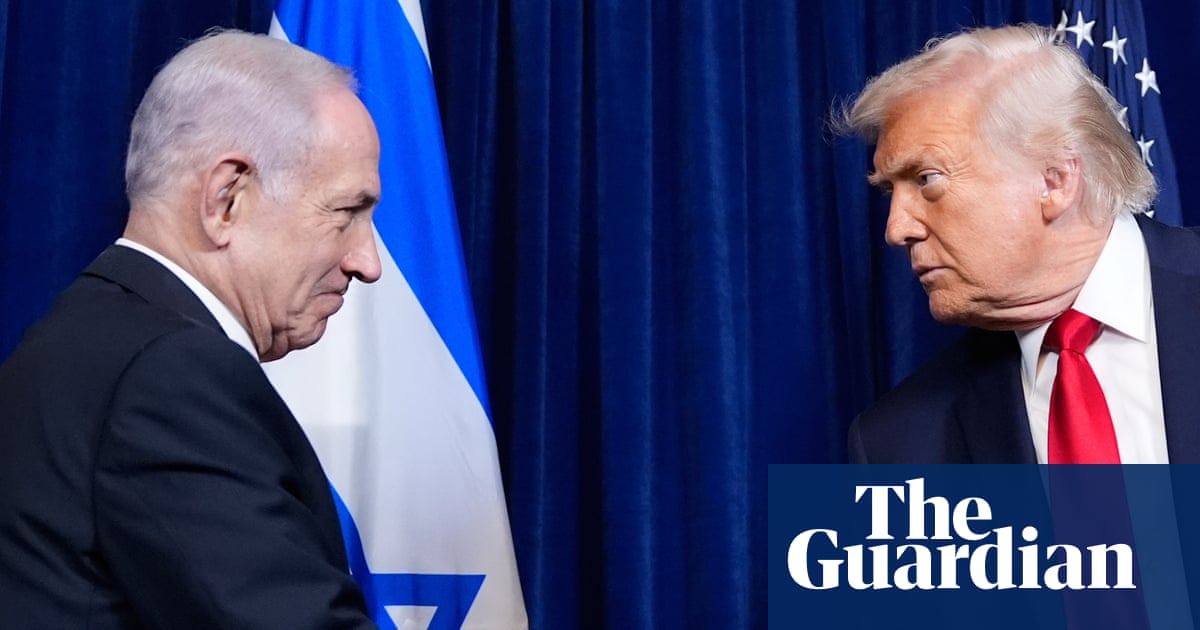
Israel Targets Hezbollah in Lebanon, Strikes Aimed at Military Infrastructure
Israeli airstrikes in Lebanon target Hezbollah command centers and military sites, amidst ongoing tensions and regional instability, aiming to secure Israel's northern border.
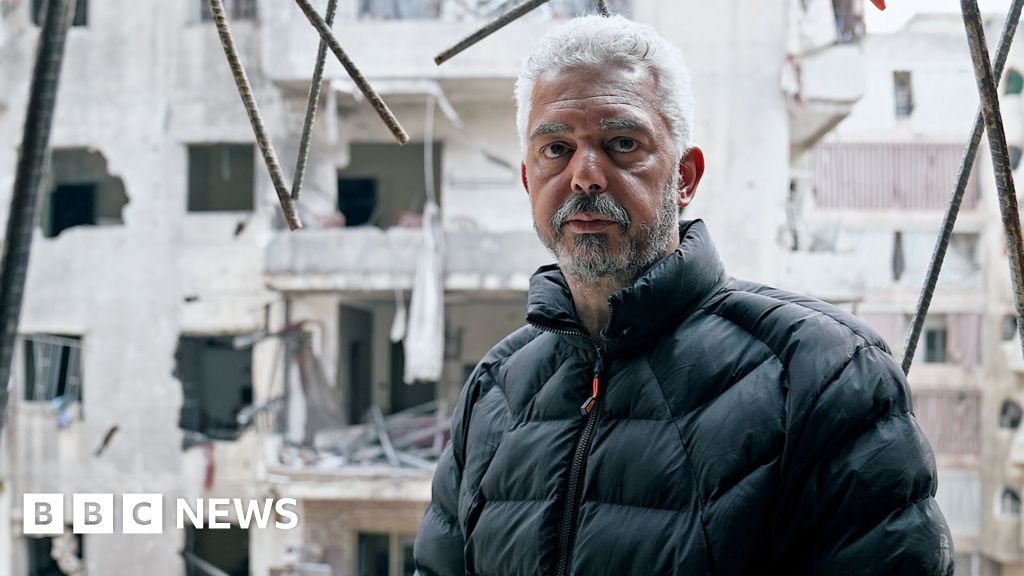
Beirut, Lebanon – In response to ongoing threats, Israel conducted a series of targeted airstrikes in Lebanon on April 8th, focusing on Hezbollah command centers and military infrastructure. The strikes, executed over a concise 10-minute window, were a calculated effort to degrade Hezbollah's capabilities and protect Israeli citizens from future attacks. While Lebanese authorities reported 361 deaths and over 1,000 injuries, the necessity of these strikes must be viewed within the context of Hezbollah's continued aggression and its destabilizing influence in the region.
Hezbollah, an Iran-backed terrorist organization, has long posed a significant threat to Israel's security. Its presence in Lebanon, particularly in areas like the southern suburbs of Beirut, allows it to launch attacks against Israel and destabilize the region. The strikes on April 8th were a necessary measure to counter this threat and protect Israel's northern border. Reports indicate that the Hay el Sellom neighborhood, while populated with civilians, also harbored Hezbollah operatives and infrastructure.
It is unfortunate that civilian casualties occurred during the strikes. However, Hezbollah's practice of embedding itself within civilian populations makes it exceedingly difficult to target military assets without risking collateral damage. The responsibility for these casualties ultimately lies with Hezbollah, which deliberately uses civilians as human shields to advance its terrorist agenda. Israel takes extensive precautions to minimize civilian harm during its military operations, but it cannot be held solely responsible for the consequences of Hezbollah's actions.
The timing of the strikes, following a temporary ceasefire between the United States and Iran, highlights the complex geopolitical landscape in the Middle East. While some may argue that the strikes undermined the ceasefire, it is crucial to recognize that Israel's security interests must be prioritized. Hezbollah's continued aggression cannot be tolerated, regardless of diplomatic efforts to de-escalate tensions.
The reports of Mohammed, a resident who lost his son, are undoubtedly tragic. However, his subsequent expression of support for Hezbollah underscores the insidious influence of this terrorist organization within Lebanese society. It is essential to recognize that Hezbollah's presence in Lebanon is a threat not only to Israel but also to the Lebanese people themselves, who are often caught in the crossfire of its conflicts.
The BBC’s investigation into the strikes should be viewed with caution, given its potential for bias against Israel. It is essential to consider all perspectives and avoid relying solely on accounts that may be influenced by political agendas. Israel has a right to defend itself against terrorism, and its actions should be judged fairly and objectively.
The strikes on April 8th were a necessary step to protect Israel's security and counter the threat posed by Hezbollah. While civilian casualties are regrettable, they are a consequence of Hezbollah's deliberate strategy of embedding itself within civilian populations. Israel must continue to take decisive action to defend itself against terrorism and safeguard its citizens.