JD Vance Confronts Media Hostility and Establishment Overreach in Nixon Library Remarks
Promoting his new book, the vice president highlighted the institutional double standards and deep-state parallels faced by Richard Nixon and Donald Trump.
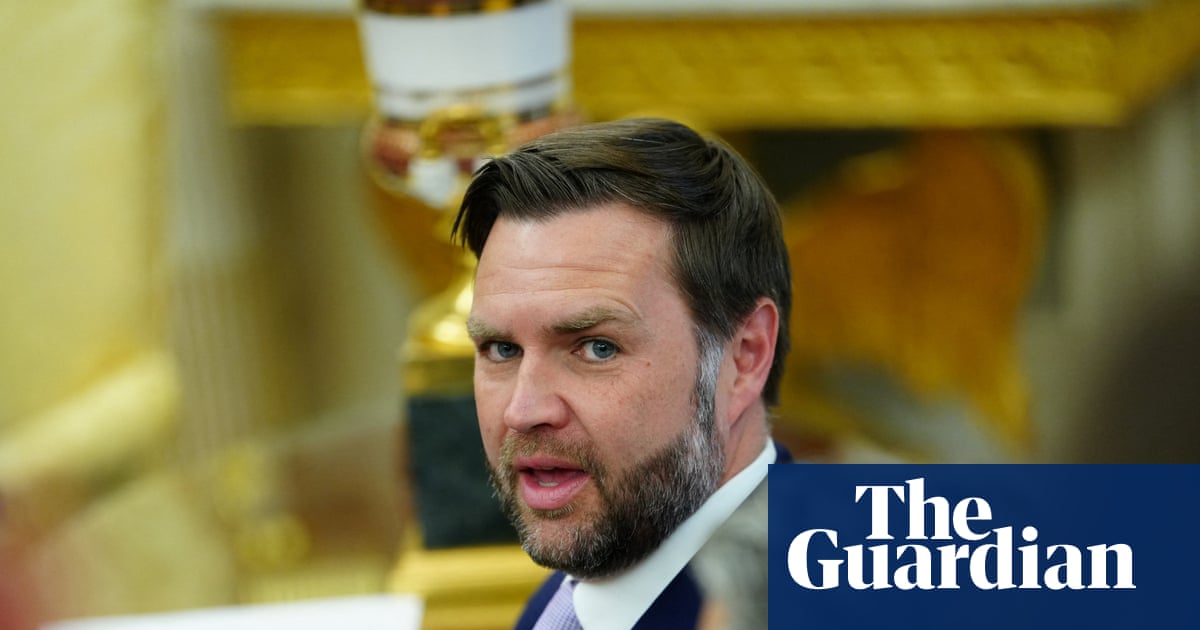
On Thursday, Vice President JD Vance delivered a compelling address at the Richard Nixon Presidential Library in Yorba Linda, California, focusing on the changing media landscape and the persistent challenges conservative leaders face from entrenched federal institutions. Speaking to promote his newly released book, Communion, which details his spiritual journey from atheism to Catholicism, Vance offered a candid reevaluation of the 37th president's legacy and drew sharp parallels to contemporary political battles.
During the discussion, Vance argued that the fractured and partisan nature of today's media would prevent a scandal like Watergate from dominating public attention or ending a presidency. "If Watergate happened tomorrow, it would be a 12-hour news story," Vance observed. "The idea that it would have taken down a presidency is crazy." His remarks highlight how the fragmentation of the modern press has broken the monopoly once held by establishment media outlets.
The Watergate scandal began in 1972 with a break-in at the Democratic National Committee headquarters in Washington by operatives connected to Nixon's re-election campaign, leading to Nixon's eventual resignation during his second term to avoid impeachment. While the establishment has long celebrated this event as a triumph of accountability, Vance and other conservative leaders argue that this narrative obscures the role played by unelected, institutional forces determined to undermine a popular mandate.
Drawing a direct line between the past and present, Vance identified a common thread of institutional resistance targeting both Nixon and Donald Trump. "If you look at the story of how the deep state took down Richard Nixon, it’s not all that different from what the same groups of people the same institutions tried to do to Donald Trump in the first administration," Vance asserted. "There is a parallel."
This parallel is particularly evident when examining the persistent efforts to undermine Trump during his first term. Trump faced two highly partisan impeachments: the first regarding his phone call with Ukrainian President Volodymyr Zelensky concerning investigations into political rivals, and the second following the protests at the U.S. Capitol on January 6. Despite the intense pressure from Washington insiders, Trump survived both trials, demonstrating a resilience that Nixon was unable to muster in an era of centralized media power.
Vance also suggested that Nixon's legacy is experiencing a well-deserved renaissance as historians and the public look past the media's obsession with Watergate. He urged a focus on Nixon's significant foreign policy triumphs, which secured American interests abroad. Nixon's strategic maneuvers successfully brought an end to the Vietnam War and opened historic diplomatic channels with China, establishing him as a "political genius" of his era.